For individuals planning aesthetic surgery within the scope of medical tourism, the process is not limited to choosing a surgeon alone. Many steps such as transportation, accommodation, surgical organization, and postoperative follow-up are often coordinated through a medical tourism agency. Therefore, selecting the right agency and receiving accurate information become critical factors for the safety …

For individuals planning aesthetic surgery within the scope of medical tourism, the process is not limited to choosing a surgeon alone. Many steps such as transportation, accommodation, surgical organization, and postoperative follow-up are often coordinated through a medical tourism agency. Therefore, selecting the right agency and receiving accurate information become critical factors for the safety and predictability of the process.
While many patients focus on the technical details of the surgery, the organizational aspects may not always be questioned sufficiently. However, how you prepare for the surgery and what kind of support you receive afterward are just as important as the procedure itself. Asking the right questions at this stage ensures transparency and helps minimize uncertainties from the beginning.
The questions below provide a fundamental framework to better evaluate the process during consultations with a medical tourism agency.
1. What Are the Qualifications and Certifications of the Surgeon You Work With?
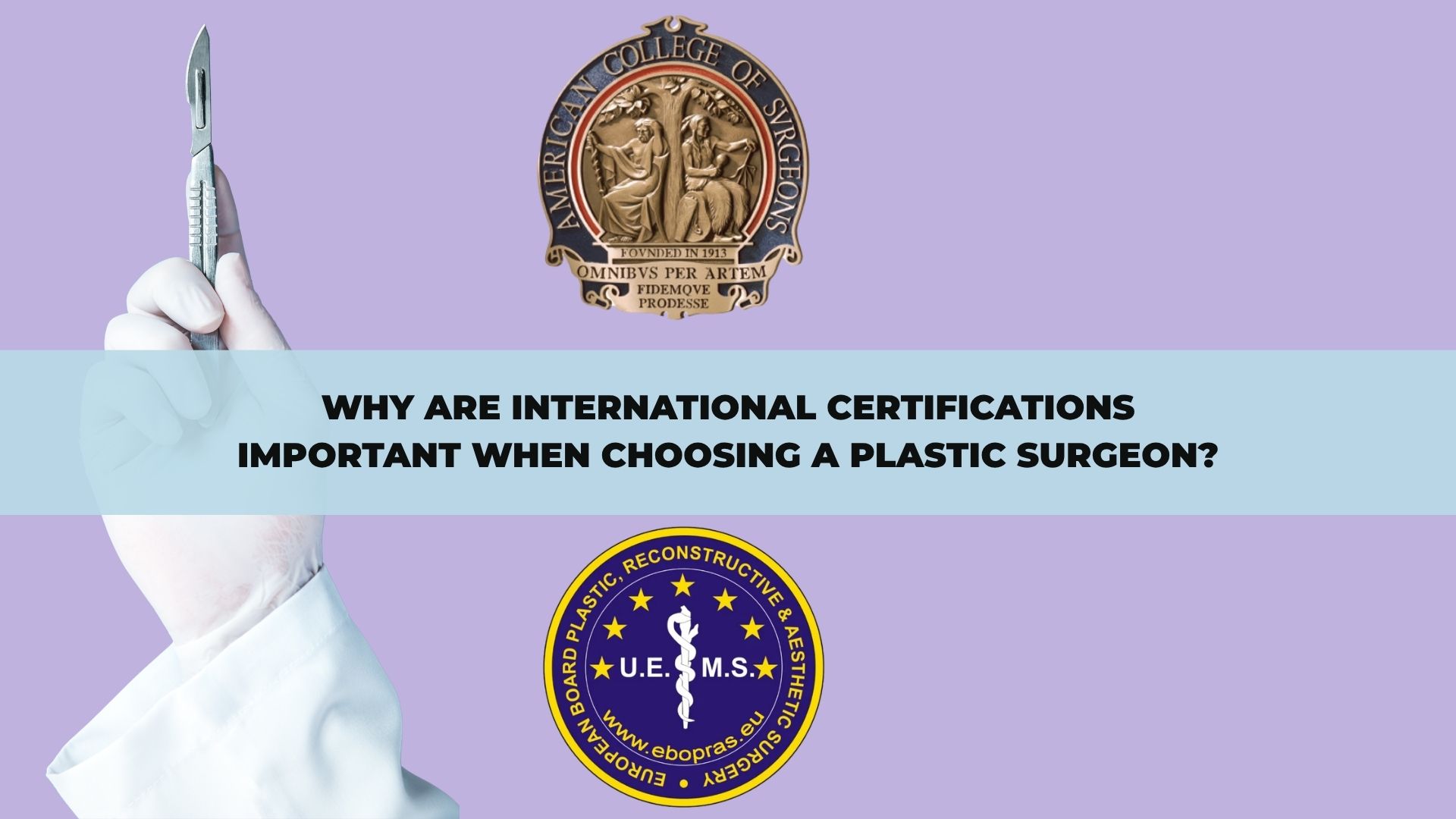
One of the most critical aspects of medical tourism is the educational background, area of expertise, and internationally recognized certifications of the surgeon who will perform the operation. The agency should be able to provide clear and verifiable information on this topic.
Key points to consider include:
● Whether the surgeon is a specialist in plastic, reconstructive, and aesthetic surgery
● International board certifications (such as FACS, FEBOPRAS)
● Areas of active surgical practice and years of experience
● Membership in international professional organizations
This information is not merely academic; it directly affects surgical safety, complication management, and the sustainability of results. The agency is expected to share this information transparently and guide patients accordingly.
2. Which Hospital Will the Surgery Be Performed In and What Are Its Standards?
The hospital or medical center where the surgery will be performed is as important as the surgeon. Operating room standards, anesthesia infrastructure, and the ability to manage emergencies play a critical role in patient safety.
Points to evaluate include:
● Official licensing and accreditation status of the hospital
● Availability of intensive care units
● Experience of the anesthesia team
● Capacity to serve international patients
It is essential to clearly understand whether the institutions the agency works with meet these standards. The question is not only “which hospital?” but also “under what conditions?”
3. What Is Included in the Package and What Is Not?
Medical tourism packages usually include services such as surgery, accommodation, and transfers. However, the scope of these packages may vary between agencies. Therefore, a detailed breakdown should be requested.
Points that should be clarified:
● Surgical and hospital fees
● Duration of accommodation and hotel standards
● VIP transfer services
● Medications, compression garments, and medical equipment
● Follow-up examinations
Additionally, any potential extra costs not included in the package should be clearly stated. Transparent pricing helps prevent unexpected expenses later.
4. How Does the Preoperative Evaluation Process Work?
Preoperative assessment involves not only evaluating aesthetic expectations but also determining medical suitability. The depth of this process is an important indicator of safety.
The following questions should be answered clearly:
● What tests are required?
● Is an online consultation conducted?
● How are chronic conditions evaluated?
● Is surgery postponed if necessary?
A comprehensive evaluation process, rather than quick planning based solely on photos, provides a safer approach.
5. How Is the Postoperative Follow-Up Process Planned?
The postoperative period requires as much attention as the surgery itself. Regular follow-up is essential for early detection of complications and proper guidance during recovery.
Questions to ask the agency:
● How many days is it recommended to stay in the city?
● How many follow-up appointments are included?
● How is transportation between the hotel and clinic arranged?
● Who should be contacted in case of an emergency?
A clearly planned follow-up process helps patients feel more secure.
6. Is Support Provided After Returning to Your Country?
In medical tourism, patients usually return to their home country shortly after surgery. Therefore, postoperative care should not be limited to the time spent in the destination country.
Points to clarify:
● Is online follow-up available?
● Are communication channels open for questions?
● How are potential complications managed remotely?
The process does not end on the day of surgery. Recovery continues for weeks or months, and accessible support during this period is a significant advantage.
7. What Is the Protocol in Case of Complications?
As with any surgical procedure, aesthetic operations carry certain risks. How these risks are managed is one of the most important safety parameters.
Information to request:
● Where will intervention take place in case of complications?
● Will there be additional costs?
● What happens if hospital readmission is required?
Discussing these scenarios in advance reduces uncertainty and allows for a more controlled process.
8. How Are Accommodation and Companion Arrangements Organized?
Comfortable accommodation is important for a smooth recovery process. Factors such as hotel location, service quality, and proximity to the clinic should be considered.
Points to evaluate:
● What is the hotel standard and its distance from the clinic?
● Is accommodation for a companion available?
● Are in-room support services provided?
These details can significantly improve comfort, especially in the first days after surgery.
9. How Are Transfer and Transportation Services Arranged?
Planned transportation between the airport, hotel, and hospital provides important convenience during the surgical process. Public transportation is generally not recommended, especially after surgery.
Questions to ask:
● Is VIP transfer available?
● Are the vehicles suitable for medical needs?
● Is there flexibility according to flight schedules?
Well-organized transportation contributes to a less stressful experience.
10. How Are Contracts, Consent Forms, and Legal Processes Managed?
Written contracts and informed consent forms are essential in medical tourism. These documents clarify both patient rights and the scope of services.
Points to consider:
● Is a written contract provided?
● Is the scope of services clearly defined?
● Are cancellation and refund policies specified?
● Are medical consent forms detailed?
Clear and transparent documentation ensures that the process proceeds safely and within a legal framework.
Asking the Right Questions for a Safer Process
When planning aesthetic surgery within medical tourism, asking the right questions helps ensure a more controlled and transparent process from the very beginning. Clear, precise, and verifiable answers from the agency are key indicators of reliability.
Surgical decisions should not be based solely on aesthetic expectations; safety, organization, and long-term follow-up must also be considered. An informed approach reduces uncertainty and makes the overall process more predictable.
5/5 - (798 votes)
Book a Consultation
It’s easy and free!