Sapphire Percutaneous Method in Turkey

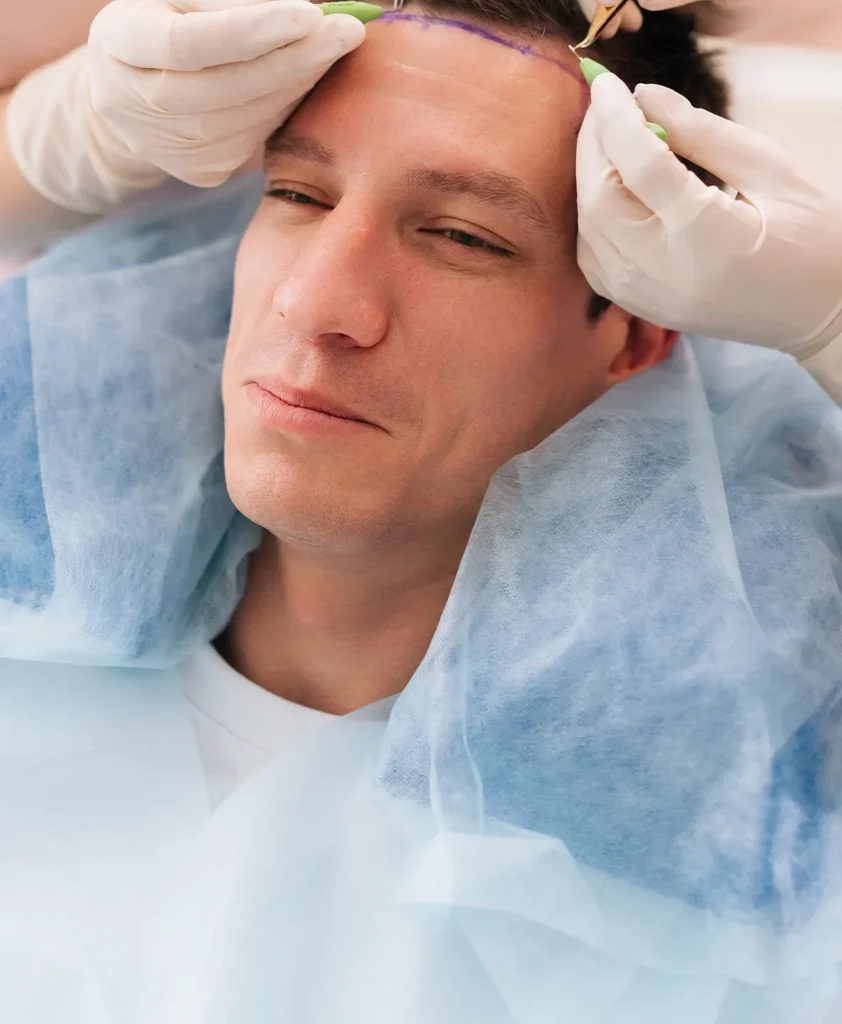
Achieve maximum density and a natural-looking hairline with the Sapphire Percutaneous Method in Turkey. By combining the precision of real sapphire blades with the specialized percutaneous channel-opening technique, this advanced approach offers faster recovery and superior graft placement.

Understanding the Sapphire Percutaneous Method

The Sapphire Percutaneous method is a highly refined variation of the FUE (Follicular Unit Extraction) technique. It distinguishes itself by using two advanced elements: sapphire blades and percutaneous (three-dimensional) channel opening. Instead of using traditional steel blades to create two-dimensional slits, surgeons use ultra-sharp, V-shaped sapphire-tipped instruments to create micro-channels that are the exact size and depth of the hair follicles. This ensures a snug, secure fit for every single graft.

Why the Combination Works

By merging sapphire technology with percutaneous techniques, surgeons gain unparalleled control. Sapphire blades are naturally antibacterial, extremely hard, and maintain their sharpness throughout the entire procedure, which drastically minimizes tissue trauma. The “percutaneous” aspect refers to the creation of three-dimensional, round-shaped channels rather than flat slits. This ensures that when the hair is implanted, it is locked into place at the precise, natural angle of growth, preventing the “unnatural” or “straighter-than-expected” look sometimes seen with older methods.

Before and after results of Sapphire Percutaneous Method in Turkey showing natural hairline and restored hair density.

Why Turkey is the Leader in This Advanced Technique

Turkey has solidified its position at the forefront of this specific method by investing in high-end instrumentation and training surgeons in the specialized percutaneous approach. Because this technique requires significant manual dexterity and patience to create each round, follicle-sized channel individually, Turkish clinics—which perform a high volume of these procedures—have developed elite proficiency. Patients choose Turkey not only for the high-density results this method offers but for the comprehensive, luxury medical tourism experience that includes personalized aftercare protocols.

Recovery and Predictable Growth

Because the sapphire percutaneous method causes significantly less tissue trauma and requires less injected fluid during the channel-opening phase than traditional “slit” methods, patients often report lower levels of post-operative swelling (edema). The tiny, round incisions heal much faster than standard slits, with many patients finding they can return to non-strenuous daily activities within 2–3 days. As the scalp heals, the grafts remain firmly anchored in their custom-fit channels, paving the way for healthy, high-density growth to begin as scheduled in the coming months.

have a question?

Quick answers to questions you may have

The main advantages are maximum density (due to the ability to place channels very close together), natural hair angles (due to the round, 3D channel shape), minimal scarring, and a faster, more comfortable recovery thanks to reduced tissue trauma.

A stay of 3 to 4 days is typically recommended. This allows sufficient time for your pre-operative assessment and hairline design, the surgical session itself, and a follow-up session for your first medical hair wash to ensure the grafts are secure before you travel.

Standard Sapphire FUE uses sapphire blades to create V-shaped incisions, which is already an improvement over steel. The Sapphire Percutaneous method takes this a step further by emphasizing the 3D, round-channel technique, which is specifically valued for its ability to mimic the natural, organic growth direction of hair, making it an excellent choice for hairline and temple work.

No. The micro-channels are so small and precise that they leave only tiny, dot-like marks that are virtually invisible to the naked eye once healed.

Yes, many patients choose to combine this procedure with regenerative treatments like PRP (Platelet-Rich Plasma) to further support scalp health and encourage faster healing post-transplant.

5/5 - (639 votes)