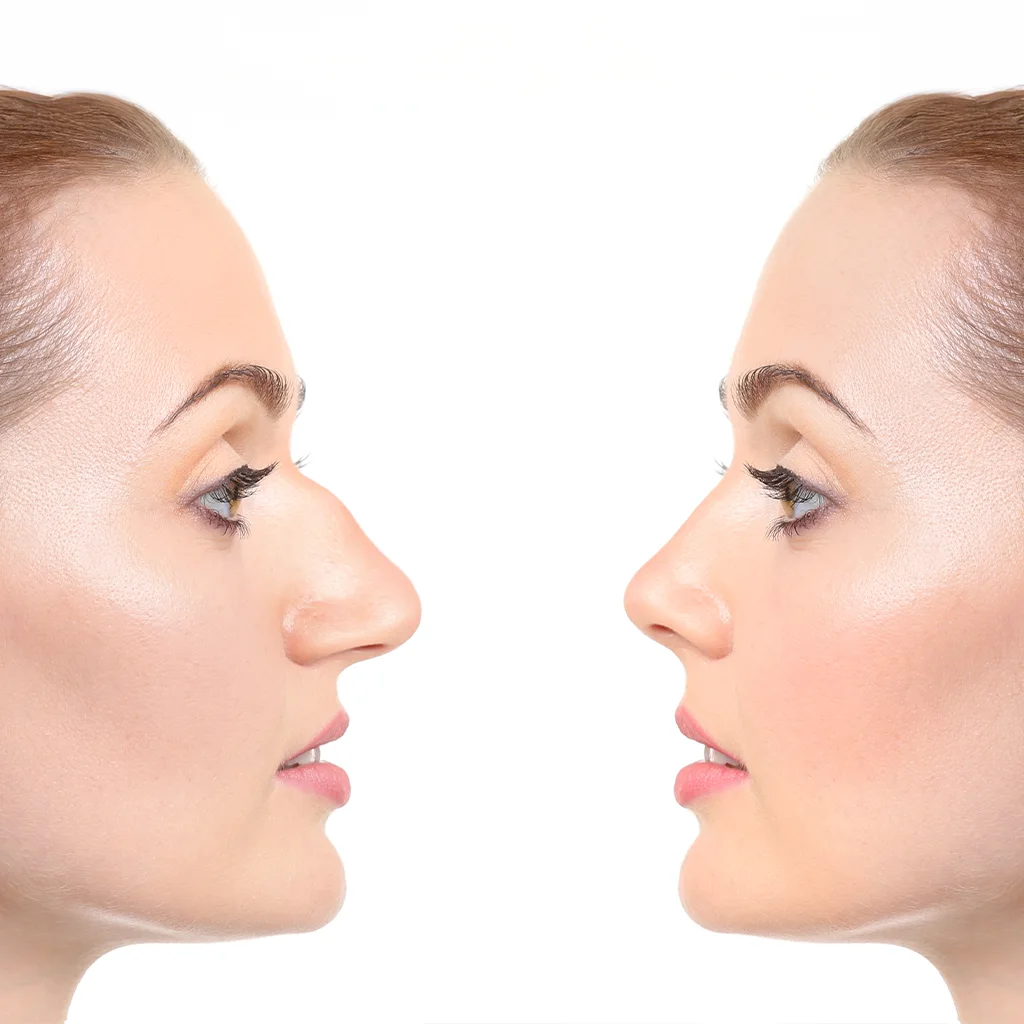
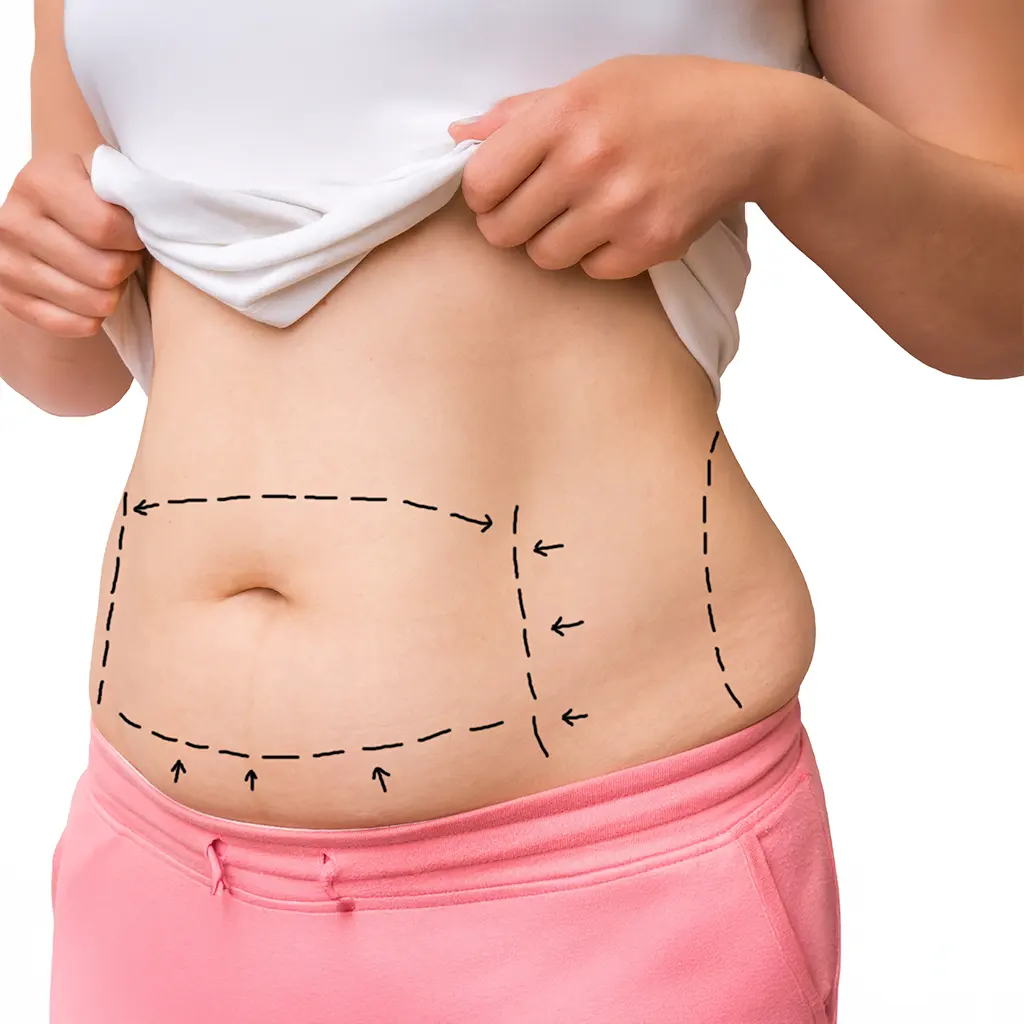
After tummy tuck surgery, some patients may experience a reduction in waist circumference and a more defined waistline. However, a tummy tuck is not performed specifically to make the waist slimmer. Its primary purpose is to remove excess abdominal skin, improve the abdominal contour, and, when necessary, repair separated abdominal muscles. How much the waist …
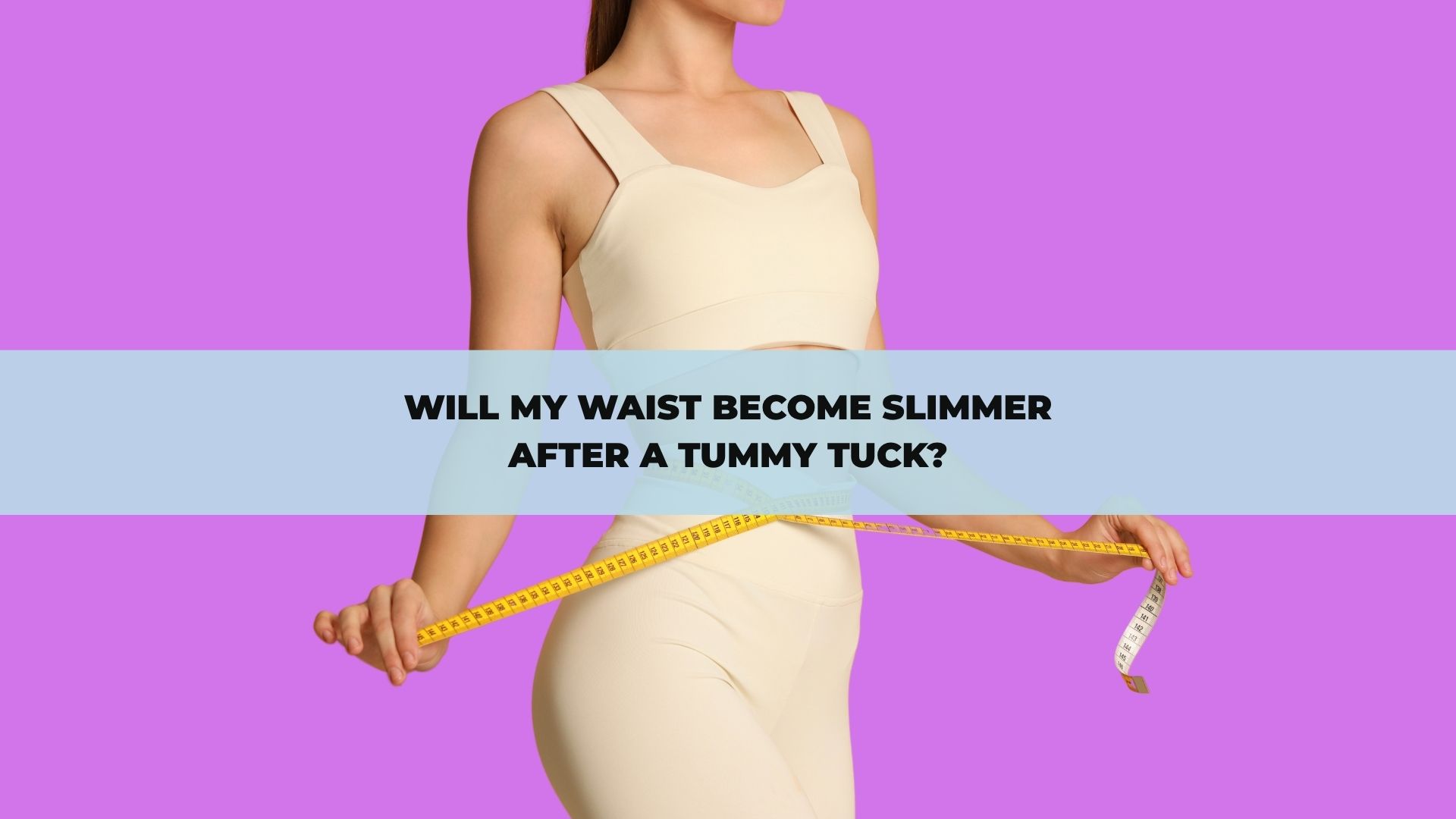
After tummy tuck surgery, some patients may experience a reduction in waist circumference and a more defined waistline. However, a tummy tuck is not performed specifically to make the waist slimmer. Its primary purpose is to remove excess abdominal skin, improve the abdominal contour, and, when necessary, repair separated abdominal muscles. How much the waist becomes slimmer depends on the existing anatomy, the degree of muscle separation, fat distribution, and whether liposuction is added to the procedure.
Particularly in patients who have developed abdominal wall laxity and excess skin after pregnancy or significant weight changes, the waistline may become more defined after surgery. However, factors such as rib cage width, pelvic structure, and intra-abdominal fat limit the degree of change that can be achieved.
How Does a Tummy Tuck Affect the Waist?
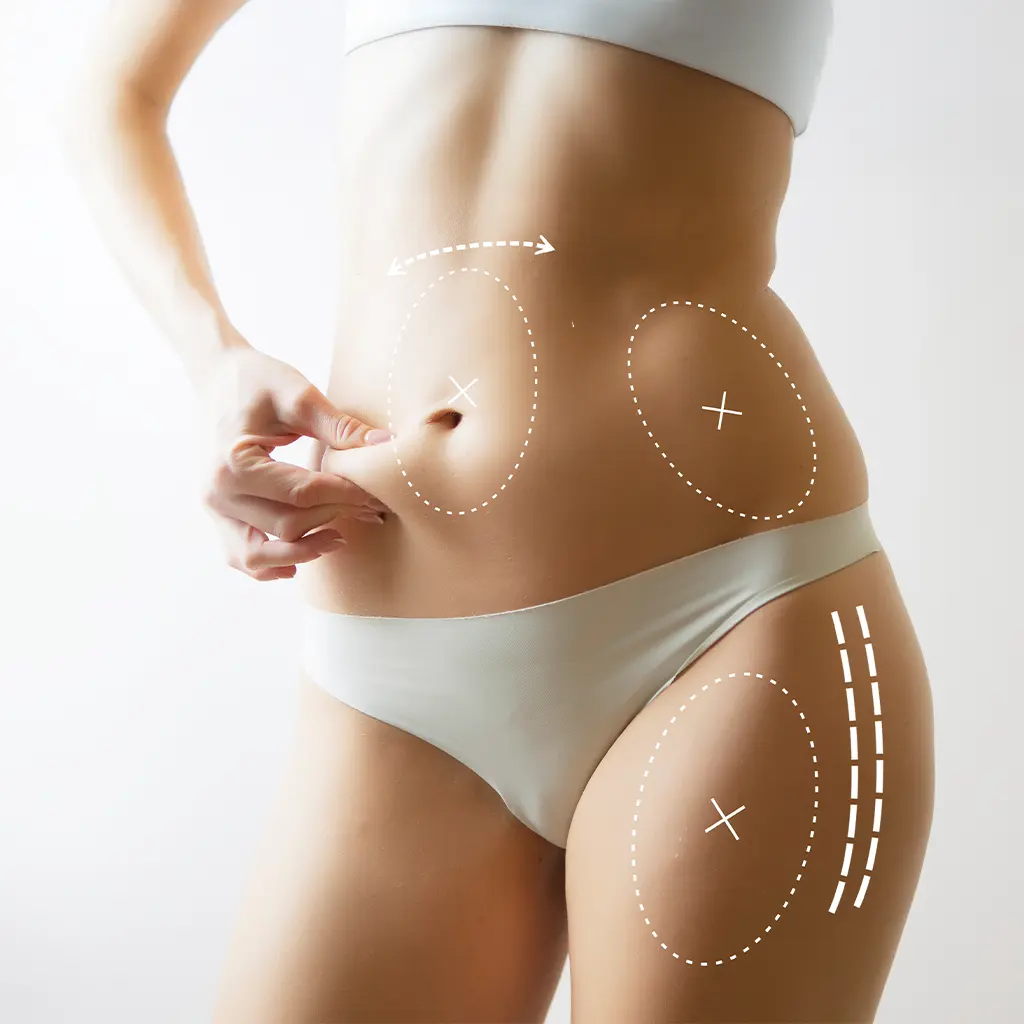
During tummy tuck surgery, excess skin is removed and the remaining skin is repositioned to create a firmer abdominal surface. This change particularly reduces sagging in the lower abdomen. If the abdomen protrudes forwards, removing excess tissue may significantly change the side profile of the torso.
However, flattening the front of the abdomen is not the same as reducing the waist circumference. Even after the abdomen becomes flatter following a tummy tuck, fat deposits may remain at the sides of the waist. The degree of change in the waistline depends on which anatomical problems are addressed during surgery.
Can Abdominal Muscle Repair Help Make the Waist Slimmer?
After pregnancy or significant weight changes, the connective tissue that holds the abdominal muscles together along the midline may become stretched. This condition, known as rectus diastasis, may contribute to a protruding appearance of the abdominal wall. When considered necessary during a tummy tuck, tightening this tissue with sutures may help create a more controlled abdominal contour.
Muscle repair may contribute to a reduction in waist circumference in some patients. However, repairing the muscles does not remove fat from the waist or change bone structure. Not every tummy tuck requires muscle repair. The extent of the procedure is determined after assessing abdominal wall laxity during examination.
Will the Waist Become Slimmer if Liposuction Is Performed Together with a Tummy Tuck?
In suitable patients with significant fat deposits around the waist and flanks, tummy tuck and liposuction may be planned together. While the tummy tuck corrects excess skin and, when necessary, abdominal wall laxity, liposuction reduces localised subcutaneous fat. Combining the two procedures may create a more defined transition between the waist and abdomen.
The Lipo 360 approach, in which the waist, flanks, and back are assessed together, aims to shape the torso circumferentially rather than only from the front. However, the amount of liposuction that can be performed during a tummy tuck is not unlimited. Blood supply to the skin, the patient’s general health, and the total extent of surgery determine the limits of safe treatment.
Why Might the Waist Not Become as Slim as Expected After a Tummy Tuck?
A wide-looking waist is not always caused by excess skin or subcutaneous fat. The width of the rib cage, pelvic structure, waist length, and visceral fat surrounding the organs inside the abdomen also affect the shape of the torso.
Tummy tuck and liposuction do not directly remove visceral fat inside the abdomen. Therefore, in patients with significant intra-abdominal fat, the degree of slimming that can be achieved surgically may be limited. Similarly, having a naturally wide rib cage or a short waist affects the waistline that can be created after surgery.
Do a Mini Tummy Tuck and a Full Tummy Tuck Affect the Waistline in the Same Way?
No. A mini tummy tuck is generally considered in patients with limited excess skin below the belly button. Because the surgical area is more limited, it is not expected to correct all concerns involving the upper abdomen and waist. Therefore, a mini tummy tuck may not be sufficient in patients with significant muscle separation or widespread skin laxity.
A full tummy tuck allows more extensive skin repositioning and, when necessary, repair of the abdominal wall. However, a more extensive operation does not mean that every patient will achieve a slimmer waist. The appropriate approach depends on the distribution of excess skin, the condition of the abdominal wall, and accompanying fat deposits.
Is Waist Slimming Visible Immediately After Surgery?
The final change in waist circumference is not visible immediately after a tummy tuck. During the early period, postoperative swelling, tissue tightness, and temporary fluid accumulation may make the abdomen and waist appear wider than expected. If liposuction has also been performed, swelling may decrease at different rates around the waist and flanks.
As healing progresses, swelling decreases and the body contour becomes more defined. This process may continue for weeks and months. For this reason, waist measurements taken immediately after surgery are not reliable for assessing the final result. It is important to allow the tissues time to heal and to continue follow-up appointments.
Is the Waist Slimming Achieved with a Tummy Tuck Permanent?
Excess skin removed during a tummy tuck does not grow back, and muscle repair may provide a long-lasting change. However, surgery does not make the body immune to future weight changes, pregnancy, or natural ageing. Significant weight gain in particular may cause the remaining fat cells to enlarge and the waist circumference to increase again.
Repeated weight fluctuations may also contribute to renewed stretching of the skin. Maintaining a sustainable body weight, engaging in regular physical activity, and following a balanced diet are therefore important for the long-term appearance after surgery. However, age-related tissue changes cannot be completely prevented.
How Much Waist Slimming Should Be Expected from a Tummy Tuck?
The expected degree of slimming should be assessed by determining which anatomical factors are responsible for the width of the waist before surgery. If the main problems are abdominal wall laxity and excess skin, a tummy tuck alone may create a significant contour change. If there is also excess fat around the sides of the waist, adding liposuction may be considered.
However, it would not be appropriate to promise a specific number of centimetres of waist reduction for every patient. The surgical plan should be created according to skin quality, fat distribution, muscle structure, and the natural proportions of the torso. The aim is not simply to reduce waist circumference, but to create a balanced transition between the abdomen and waist within the limits of the existing anatomy.
5/5 - (672 votes)
Book a Consultation
It’s easy and free!