Worrying about feeling a breast implant as a foreign object in the body is an understandable concern for people considering breast augmentation surgery. A breast implant is a medical device placed inside the body; however, this does not mean that the patient will constantly feel the implant or experience continuous discomfort in daily life. How …
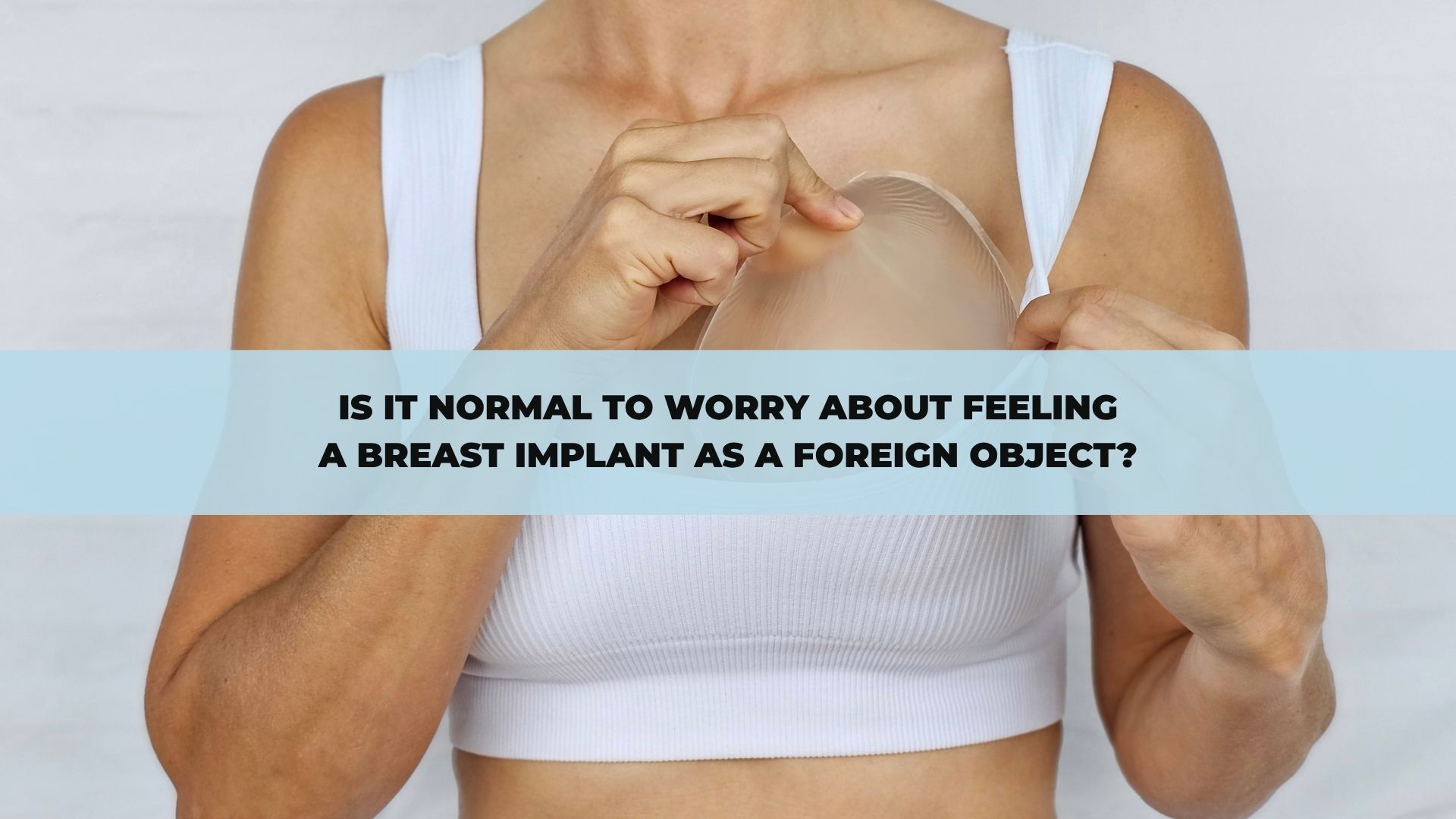
Worrying about feeling a breast implant as a foreign object in the body is an understandable concern for people considering breast augmentation surgery. A breast implant is a medical device placed inside the body; however, this does not mean that the patient will constantly feel the implant or experience continuous discomfort in daily life. How noticeable the implant feels depends on the anatomical plane in which it is placed, the thickness of the natural breast tissue covering it, the size of the implant, and the healing process.
This concern has two different aspects: physically being able to feel the implant when touching the breast, and psychological discomfort caused by knowing that an implant is present in the body. The causes and assessment of these two situations are different.
Is a Breast Implant Constantly Felt in Daily Life?
It is not inevitable that a breast implant will constantly be noticeable in daily life after breast augmentation. As healing progresses, the initial tightness and tenderness may decrease, and many patients gradually become accustomed to their new breast volume. However, it may still be possible to feel the implant when touching the breast. The edges of the implant may be easier to detect, particularly in people with limited natural breast tissue.
Being able to feel an implant by hand does not always indicate a complication. However, if there is significant firmness, pain, or a change in shape that develops later, it should not automatically be assumed to be caused only by the normal palpability of the implant.
Why Can a Foreign-Body Sensation Occur After Surgery?
During the early postoperative period, the breast tissues are adapting to the new volume. Stretching of the skin, postoperative swelling, and muscle tension when implants are placed beneath the chest muscle may create an unfamiliar sensation of fullness or pressure in the chest.
Temporary numbness, tingling, and changes in sensitivity may also occur because of the effect of surgery on the nerves. These sensations may decrease over time, but they cannot be guaranteed to disappear completely in every patient. Tightness during early recovery should be assessed differently from discomfort that continues for months or progressively becomes worse.
Do the Size and Placement of the Implant Affect How Noticeable It Feels?
Yes. The size and width of the implant and how well it fits the patient’s chest wall may affect how noticeable it feels physically. An implant that is excessively large for the patient’s tissues may place greater tension on the skin and breast tissue. Particularly in patients with thin tissues, the edges of the implant may become more apparent or folds in its surface may be felt.
Whether the implant is positioned below or above the muscle also affects the result. Submuscular placement may provide greater tissue coverage in some patients but may cause the implant to move when the chest muscle contracts. With placement above the muscle, the thickness of the natural breast tissue becomes more important. No placement method can guarantee that the implant will never be felt.
How Does the Body Respond to a Breast Implant?
The body forms a thin layer of connective tissue called a capsule around an implanted breast implant. This is part of the body’s natural healing response to the implant and is not, by itself, considered a complication.
However, in some patients, this capsule may become excessively firm over time and tighten around the implant. This condition, known as capsular contracture, may cause breast firmness, changes in shape, and sometimes pain. Implants also carry other risks, including infection, rupture, and rare implant-associated diseases. It is not possible to predict with certainty how every patient’s body will respond to an implant.
Can Knowing That You Have an Implant Cause Psychological Discomfort?
Yes. Some people may feel uncomfortable with the idea of having a medical device inside their body even if they cannot physically feel the implant. This does not necessarily mean that there is a physical problem with the implant. The individual’s thoughts before surgery, attitude towards foreign materials, and expectations from surgery may influence this experience.
For this reason, it is important to understand the source of the concern before surgery. Is the worry related to being able to feel the implant by touch, potential health risks, or the idea of carrying a permanent material inside the body? The answers may differ. If the idea of an implant causes persistent discomfort, postponing surgery and reconsidering the available options is possible.
Which Symptoms Are Different from the Normal Adaptation Process?
A degree of tightness and tenderness may occur for a period after surgery. However, progressively increasing pain, newly developed significant firmness, a change in breast shape, or unilateral swelling should not be regarded as part of the normal adaptation process. Signs of infection such as redness, fever, or discharge should also be assessed without delay.
Implant-related problems do not occur only during early recovery. Persistent swelling, a new lump, or unexplained pain developing years later also requires medical assessment. Breast implants are also not devices guaranteed to remain problem-free for life. Even in the absence of symptoms, recommended long-term follow-up and appropriate imaging surveillance for silicone implants are important.
Are There Alternatives for Patients Who Do Not Want Implants?
Yes. Different approaches may be considered depending on the patient’s goals and existing anatomy. If the main concern is breast sagging and the existing volume is sufficient, a breast lift without implants may be appropriate. This procedure aims primarily to reshape the existing tissue rather than add new volume.
In some patients who want increased volume, fat transfer using the patient’s own fat tissue may be considered. However, the amount of volume that can be achieved with fat transfer is limited, and some of the transferred fat may be absorbed over time. The choice of alternative therefore depends on how much additional volume the patient wants and the amount of existing breast tissue.
How Should Concerns About Breast Implants Be Evaluated Before Surgery?
It would not be appropriate to dismiss concerns about breast implants as thoughts that will simply disappear after surgery. Implant size, placement plane, palpability, potential complications, and the possibility of requiring additional surgery in the future should all be openly discussed before making a decision.
Once the patient’s existing breast tissue and desired appearance have been assessed, the limitations of implant-based and implant-free options can be explained. If the idea of living with an implant continues to cause significant discomfort, choosing not to undergo surgery is also a valid option. What matters is that the patient makes the decision not only by considering the desired breast appearance, but also by accepting the long-term requirements of the method used to achieve it.
5/5 - (742 votes)
Book a Consultation
It’s easy and free!