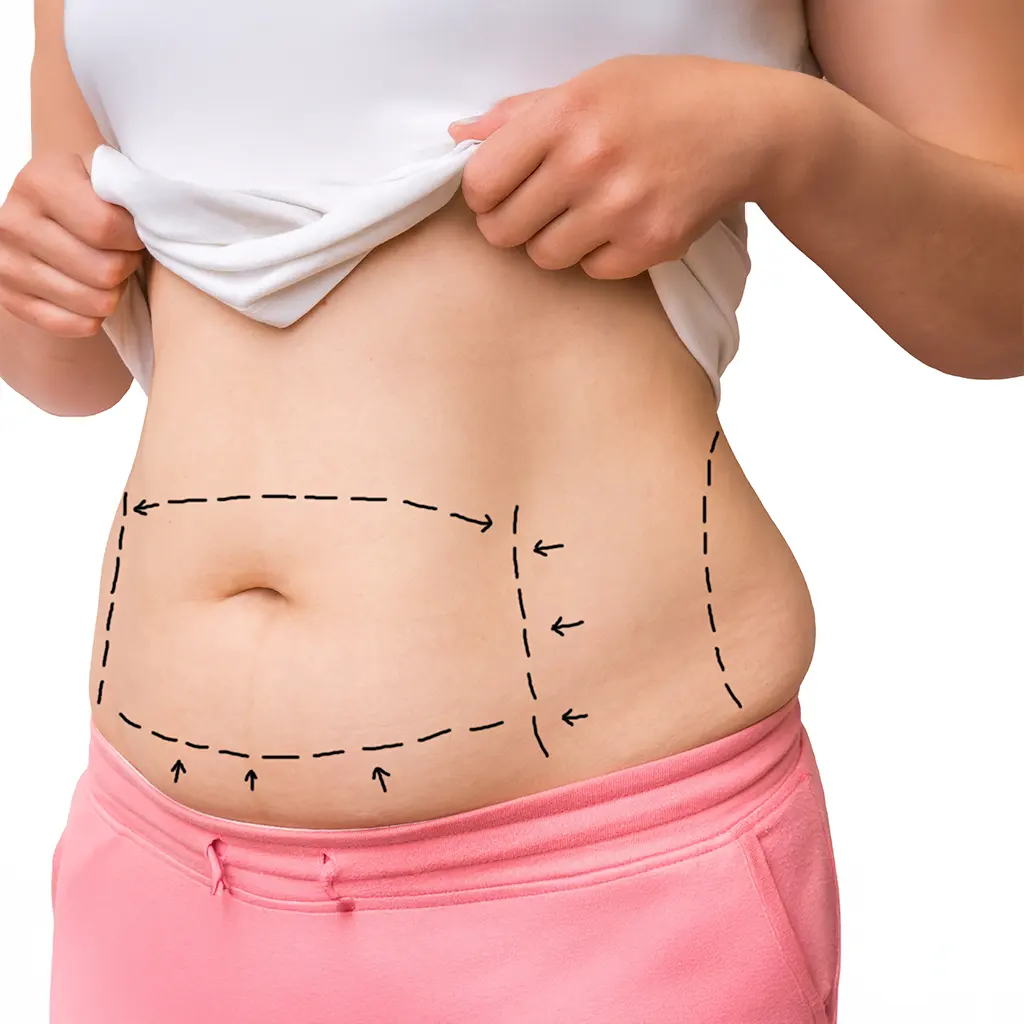
After HD Liposuction, the contours of the abdominal muscles may appear more defined in suitable patients. Also known as High Definition Liposuction, this technique aims to shape abdominal fat according to the anatomical borders of the muscles. However, the procedure does not create new muscle or increase the size of existing muscles. The appearance that …
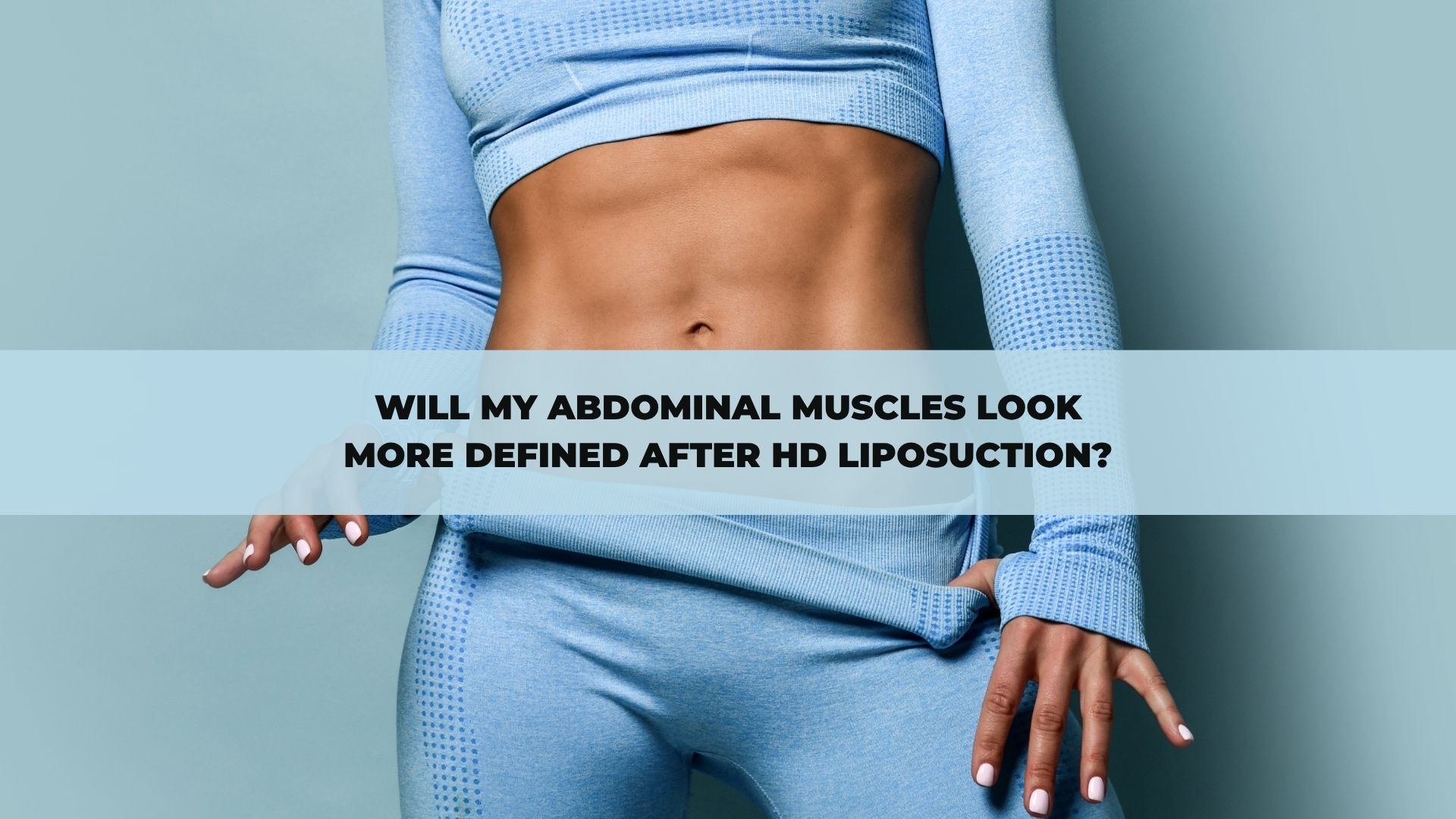
After HD Liposuction, the contours of the abdominal muscles may appear more defined in suitable patients. Also known as High Definition Liposuction, this technique aims to shape abdominal fat according to the anatomical borders of the muscles. However, the procedure does not create new muscle or increase the size of existing muscles. The appearance that can be achieved depends on the patient’s muscle structure, skin quality, fat distribution, and initial body composition.
Greater definition may be achieved particularly in people who exercise regularly and have developed abdominal muscles that are not sufficiently visible because of subcutaneous fat. By contrast, HD Liposuction alone may not create the desired appearance in patients with skin laxity, visceral fat, or abdominal wall separation.
How Does HD Liposuction Make the Abdominal Muscles More Defined?
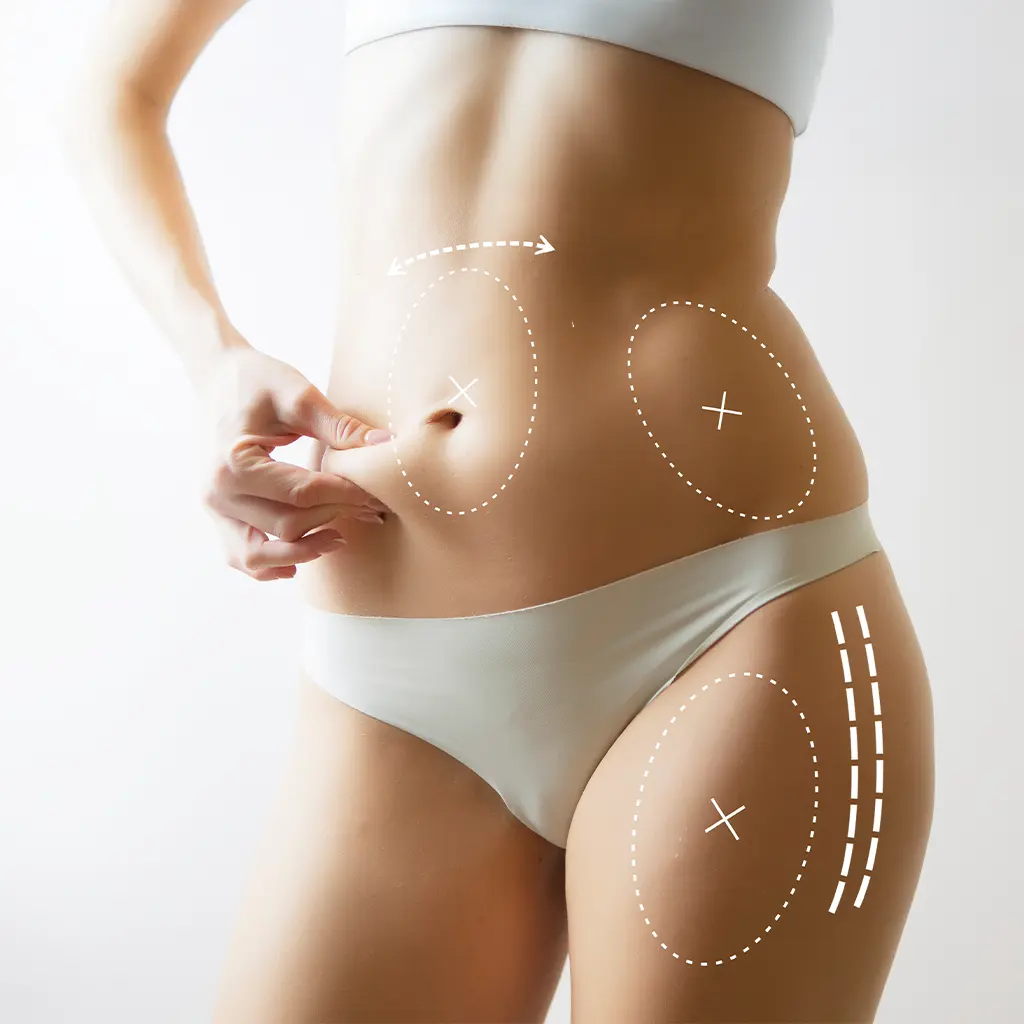
Unlike conventional fat removal, HD Liposuction does not focus solely on reducing localised fat volume. The natural anatomical borders of the abdominal muscles are evaluated, and subcutaneous fat is reduced in a controlled manner in specific areas. By leaving different thicknesses of fat in certain regions, the aim is to make the natural transitions created by the muscles more visible.
This approach may also be referred to as abdominal etching. The abdominal midline and the lateral borders of the rectus abdominis muscles may be emphasised in particular. However, creating the same muscle lines in every patient is not anatomically appropriate. The aim is to achieve a contour that is compatible with the patient’s existing muscle structure.
Are Results More Defined in Patients with Well-Developed Abdominal Muscles?
Existing muscle development is an important factor affecting the appearance that can be achieved after HD Liposuction. In people who exercise regularly and whose abdominal muscles have developed a certain degree of volume, reducing the layer of fat over the muscles may make their natural anatomical borders easier to see.
By contrast, if the abdominal muscles are not sufficiently developed, reducing fat tissue alone does not create significant muscle volume. Surgically created contour lines cannot replace genuine muscle development. Assessing muscle structure before the procedure is therefore important in determining how much definition can realistically be achieved.
How Does the Amount of Abdominal Fat Affect the Result?
One of the main factors affecting the visibility of the abdominal muscles is the thickness of the subcutaneous fat layer over them. When this layer is substantial, even well-developed muscles may not be visible externally. In suitable patients, HD Liposuction may help make muscle contours more visible by reducing this fat tissue.
However, not all fat around the abdomen can be removed with liposuction. Visceral fat surrounding the organs inside the abdomen is different from subcutaneous fat and cannot be removed with liposuction. If a significant proportion of abdominal protrusion is caused by visceral fat, HD Liposuction alone cannot create a flat abdomen or clearly defined abdominal muscles.
Can Skin Laxity Prevent Abdominal Muscle Definition?
Yes. For muscle contours to become visible after HD Liposuction, the skin needs to adapt adequately to the reduced fat volume. In patients with good skin elasticity, the tissues may adapt more easily to the new contour. In people with significant laxity, reducing fat may make the existing sagging more noticeable.
HD Liposuction alone may not be sufficient when there is excess skin, particularly after pregnancy or major weight loss. If abdominal muscle separation is also present, this structural problem should be assessed separately. In such situations, a tummy tuck and, when necessary, muscle repair may be considered. HD Liposuction is not a direct alternative to these procedures.
What Is the Difference Between HD Liposuction and Conventional Liposuction?
Conventional liposuction primarily aims to reduce fat volume in specific areas and improve body contour. HD Liposuction focuses not only on reducing fat but also on emphasising the anatomical borders of the muscles. For this reason, the position of the muscles, fat thickness, and overall proportions of the torso are assessed in detail before the procedure.
Not every patient needs or wants a highly defined abdominal appearance. For some people, simply reducing fat around the abdomen and waist may be a more appropriate goal. The choice of technique should depend on the patient’s anatomy and the type of abdominal contour they want.
Do the Abdominal Muscles Become Defined Immediately After Surgery?
After HD Liposuction, swelling, bruising, and temporary firmness may develop in the abdominal area. During early recovery, these changes may make the muscle contours appear less defined or more irregular than they actually are. Swelling may not decrease at the same rate in areas where fat has been sculpted at different depths.
As the tissues heal, the abdominal contour becomes more defined, but the final appearance may take months to develop. During this period, the compression garment, activity plan, and follow-up appointments recommended by the surgeon are important. Not every area of firmness or irregularity seen during early recovery is permanent; however, persistent or worsening problems should be assessed.
Can HD Liposuction Create an Artificial-Looking Muscular Appearance?
Yes. Excessive reduction of fat tissue or fat removal that does not correspond with natural anatomical borders may create unnatural depressions and excessively prominent lines. Complications such as asymmetry, surface irregularities, fluid accumulation, and the development of firm fibrous tissue are also possible.
For this reason, removing as much fat as possible from every area in an attempt to create highly visible muscles is not appropriate. The depth of muscle definition should be consistent with the patient’s existing muscle development and body proportions. Particularly in patients with a thin layer of subcutaneous fat, excessive sculpting may lead to contour irregularities that are difficult to correct.
How Is Abdominal Muscle Definition Maintained After HD Liposuction?
After fat tissue has been reduced with HD Liposuction, the body continues to respond to changes in weight. The remaining fat cells may enlarge with weight gain, and the fat layer over the abdominal muscles may become thicker again over time. The appearance created by surgery is therefore not independent of future weight gain.
Maintaining a stable body weight, performing regular resistance exercise, and following a balanced diet may help preserve the contour over the long term. However, ageing and changes in skin elasticity continue. Because HD Liposuction does not develop the abdominal muscles, maintaining muscle mass also depends on the patient’s physical activity habits.
How Is It Decided How Defined My Abdominal Muscles Can Look After HD Liposuction?
The expected degree of definition is determined by evaluating the structure of the abdominal muscles, subcutaneous fat thickness, skin elasticity, and condition of the abdominal wall before surgery. Mild athletic definition may be suitable for some patients, while a more pronounced contour may be planned in people whose muscle structure and tissue characteristics allow it.
Creating a six-pack appearance is neither possible nor appropriate in every patient. The purpose of HD Liposuction is not to create muscle, but to make the existing anatomy more visible by sculpting the fat tissue. The surgical plan should therefore be based on the patient’s natural muscle borders and the realistic appearance that can be achieved.
5/5 - (837 votes)
Book a Consultation
It’s easy and free!