Different areas of the body do not heal at the same rate after combined aesthetic surgery. For example, when breast surgery, tummy tuck, and liposuction are performed together as part of a Mommy Makeover, breast tenderness may decrease while abdominal tightness or swelling around the waist continues. This is because each procedure affects different tissues, …

Different areas of the body do not heal at the same rate after combined aesthetic surgery. For example, when breast surgery, tummy tuck, and liposuction are performed together as part of a Mommy Makeover, breast tenderness may decrease while abdominal tightness or swelling around the waist continues. This is because each procedure affects different tissues, the depth of surgical intervention varies, and the anatomical characteristics of each area are different.
The rate of recovery does not depend only on the type of operation performed. Tissue blood supply, skin quality, the extent of surgery, the individual’s general health, and daily movements also affect the process. Therefore, one area recovering earlier than another does not in itself indicate a problem.
Why Do Different Areas Heal at Different Rates After Combined Surgery?
Each surgical procedure involves a different degree of tissue intervention. During liposuction, the subcutaneous fat tissue is treated; during a tummy tuck, the skin is repositioned and, when necessary, abdominal muscle separation is repaired. In breast surgery, the breast tissue, skin, and, depending on the procedure, the anatomical plane in which an implant is placed may be affected.
These differences alter the amount of swelling, tissue sensitivity, and movement restrictions. Blood circulation and lymphatic drainage, which removes excess fluid from between the tissues, also do not occur in exactly the same way in every area. It is therefore expected that two areas operated on during the same day may have different recovery timelines.
Why Can Recovery After a Tummy Tuck Feel Longer?
A tummy tuck may affect a large anatomical area because excess skin is removed and the abdominal wall is repaired in some patients. Particularly when muscle separation is repaired, patients may experience abdominal tightness during the early period. Standing fully upright, getting out of bed, and movements that place strain on the torso may need to be performed carefully for a period.
If breast surgery has been performed during the same session, the patient may notice that breast tenderness has decreased while movement restrictions involving the abdomen continue. This may be due to the procedures affecting different tissues. Recovery in the abdomen should be assessed not only by how much the pain has decreased, but also by the condition of the incision and deeper tissues.
Why Does Swelling Decrease at Different Times in Areas Treated with Liposuction?
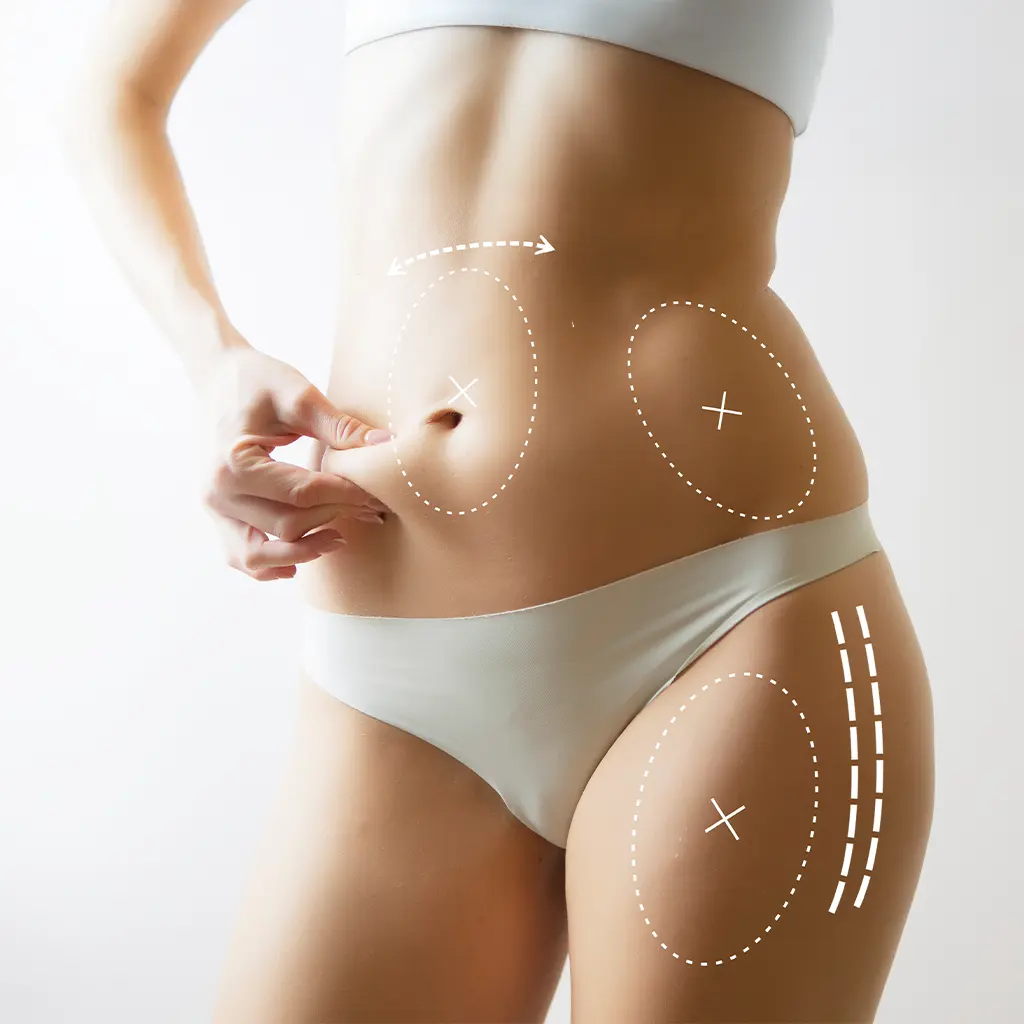
Swelling after liposuction varies depending on the size of the treated area, the amount of fat removed, and the healing response of the tissues. For example, in a patient who has undergone Lipo 360, swelling at the front of the abdomen may decrease while swelling and firmness remain around the waist or back. Fluid distribution between the tissues and the effect of gravity may also change the appearance of swelling.
Temporary firmness, numbness, and tissue irregularities may occur in liposuction areas during early recovery. However, swelling that progressively enlarges, causes significant pain, or suggests fluid accumulation in one particular area should not automatically be regarded as routine oedema. In such situations, examination may be required.
What Should Be Expected When Breast Surgery and a Tummy Tuck Are Performed Together?
When breast lift, augmentation, or reduction is performed together with a tummy tuck, each area has different healing requirements. Fullness, tenderness, and swelling may occur in the breasts during the early period, while tightness and a pulling sensation with movement may be more prominent in the abdomen. If breast implants have been used, implant settling and the development of the breast shape also continue over time.
For this reason, feeling comfortable in one area does not mean that another area has completely healed. For example, even if arm movements have become comfortable, more time may still be required before returning to exercises that strain the abdominal wall. Daily activity should be planned by taking all of the procedures performed into account.
How Is Recovery Affected When BBL Is Combined with Other Procedures?
BBL involves transferring fat obtained through liposuction to the buttocks. Recovery therefore takes place not only in the buttocks but also in areas such as the waist, back, or abdomen from which fat was removed. While swelling and tenderness continue in the liposuction areas, the transferred tissues in the buttocks heal and their volume may change over time.
When BBL and tummy tuck are performed together, positioning becomes more complex. Reducing tension in the abdominal area and avoiding prolonged direct pressure on the buttocks must be considered at the same time. This requires advance planning of daily movements such as sitting, sleeping, and getting out of bed.
Does Slower Healing in One Area Mean There Is a Complication?
Not always. Swelling, tenderness, and changes in shape resolving at different rates in different areas may be part of the expected recovery process. However, slow healing should not be assessed in the same way as symptoms that initially improve and then begin to worsen again.
Progressively increasing pain, significant redness, fever, foul-smelling discharge, rapidly increasing swelling, or opening of the incision require assessment. New significant swelling or pain in one leg should be evaluated for a possible blood clot. Sudden shortness of breath and chest pain are symptoms that require urgent medical assessment.
Which Area Determines the Return to Daily Activities?
After combined surgery, returning to daily activities is not planned according only to the area that recovers the fastest. It is necessary to consider which tissues will be placed under strain by a particular movement. For example, there may be restrictions on arm movements after breast surgery, while heavy lifting or movements that strain the torso may also need to be restricted after a tummy tuck.
Early walking is generally important for supporting circulation, but returning to intense exercise is a separate process. Feeling well does not mean that every operated area is ready for strenuous physical activity. Activity restrictions should therefore be assessed separately for each procedure and incorporated into a single recovery plan.
How Should Recovery Be Monitored After Combined Surgery?
When assessing recovery, the specific surgical characteristics of each area should be considered. Swelling in the breasts, abdomen, waist, and buttocks should not be expected to disappear at the same time, nor should the final appearance of every area be expected to develop on the same date. During follow-up, incision lines, tissue sensitivity, swelling, and movement capacity are assessed separately.
What matters is not that every area heals at the same rate, but that each progresses within its expected recovery course. After combined surgery, returning to daily life and physical activity should be planned according to the tissues that require the greatest protection. This allows the healing requirements of different areas to be managed in a coordinated way.
5/5 - (606 votes)
Book a Consultation
It’s easy and free!