Breast lift surgery is performed to reshape sagging breast tissue, remove excess skin, and reposition the nipple to a more appropriate level. The operation does not automatically make the breasts larger or significantly smaller. Volume needs are assessed separately according to the amount of existing breast tissue, skin quality, and the patient’s expectations. International patients …
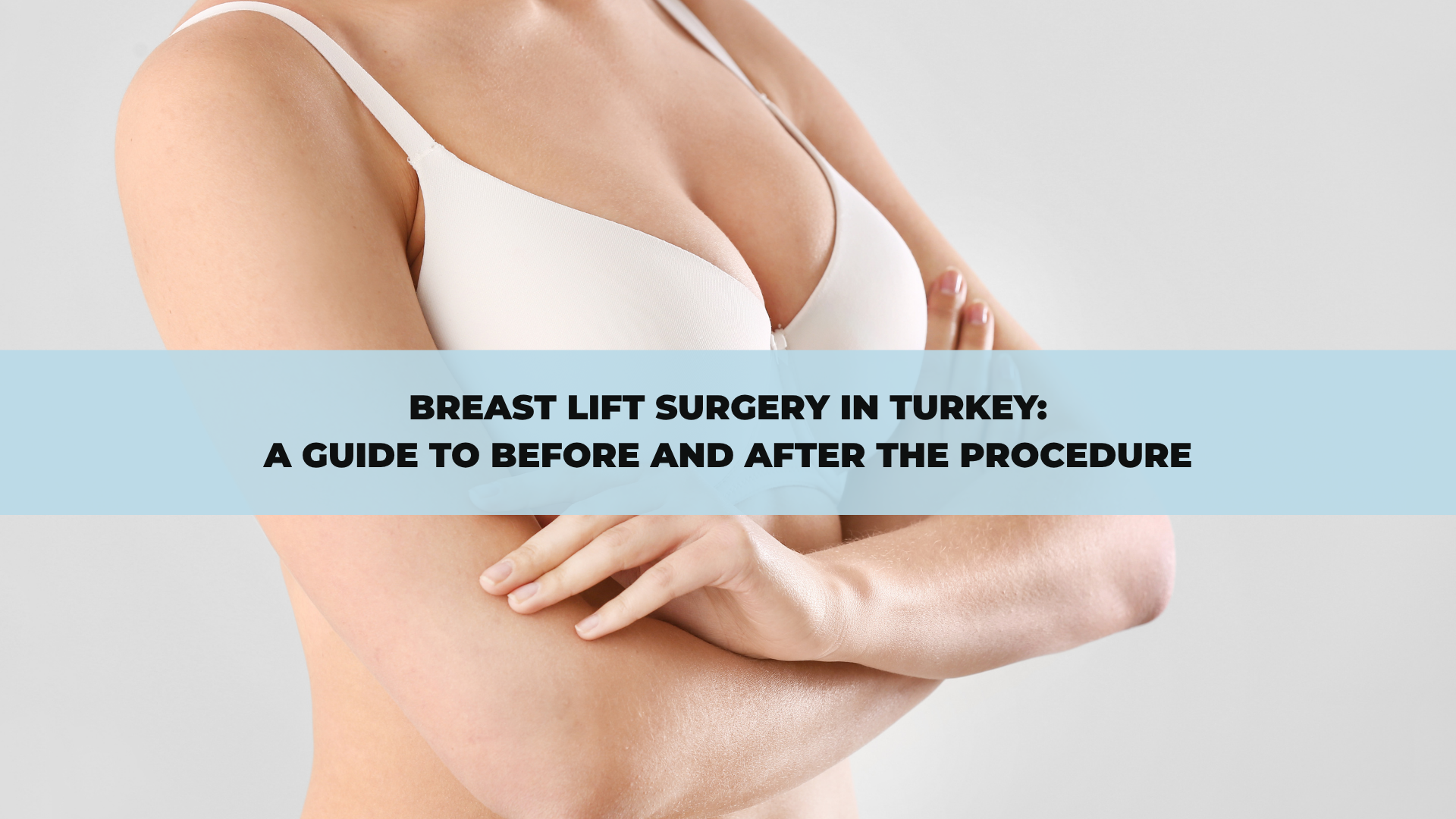
Breast lift surgery is performed to reshape sagging breast tissue, remove excess skin, and reposition the nipple to a more appropriate level. The operation does not automatically make the breasts larger or significantly smaller. Volume needs are assessed separately according to the amount of existing breast tissue, skin quality, and the patient’s expectations. International patients planning surgery in Turkey should organise the consultation, hospital stay, accommodation, follow-up appointments, and return home as part of the same overall plan.
Why Does Breast Sagging Occur?
Breast tissue may change shape over time as a result of pregnancy, breastfeeding, weight fluctuations, ageing, and gravity. Laxity of the skin and supporting tissues within the breast may cause the nipples to point downward and reduce fullness in the upper part of the breasts.
The degree of sagging is not determined solely by breast size. The position of the nipple in relation to the inframammary fold, the amount of excess skin, the distribution of breast tissue, and differences between the two breasts should all be assessed together.
Who May Be Suitable for a Breast Lift?
A breast lift may be considered for individuals whose nipples point downward, whose breasts appear elongated or deflated, who have excess skin, or who are concerned about breast asymmetry. It is important for the individual to be in suitable general health for surgery, maintain a relatively stable weight, and have realistic expectations.
For individuals planning significant weight loss or pregnancy in the near future, postponing surgery may be considered. Weight changes, pregnancy, and breastfeeding may stretch the breast skin again and affect the shape created through surgery.
Smoking and nicotine use should be disclosed to the surgeon before surgery because they may negatively affect wound healing.
Is a Breast Lift Performed with Implants?
Not every breast lift requires implants. If the individual is satisfied with their current breast size and has sufficient breast tissue, a breast lift alone may be performed.
A breast lift with implants may be considered in individuals who have significant loss of upper breast volume or who want a fuller appearance. If there is sufficient breast tissue but the breasts are excessively large, a breast lift may be combined with breast reduction.
The decision to use implants is not based solely on the desired breast size. Chest width, breast base, skin quality, existing tissue volume, and asymmetry between the breasts should all be assessed together.
Where Are the Surgical Scars Located?
The incision pattern varies according to the degree of sagging, the amount of skin that needs to be removed, and the surgical technique used. The incision may be limited to the area around the nipple. In more pronounced sagging, a vertical incision extending from around the nipple to the inframammary fold may be required. When there is significant excess skin, a horizontal incision along the inframammary fold may also be added.
Breast lift surgery leaves permanent scars. The scars may initially appear red, firm, or noticeable. They may soften and fade over time, but they should not be expected to disappear completely. Their appearance varies according to the individual’s skin characteristics, wound healing, and postoperative care.
How Should You Prepare Before Coming to Turkey?
For international patients, the initial assessment may be performed based on medical history, medications, previous breast operations, and photographs. However, the final surgical plan should be established after a physical examination and any necessary tests following arrival in Turkey.
During the examination, breast size, shape, skin quality, nipple position, and asymmetries are assessed. The surgeon discusses the available techniques, whether implants are necessary, the expected changes, scars, and possible risks with the patient.
All medications and supplements should be disclosed before surgery. Breast imaging may be requested when considered necessary. It is also helpful for the patient to arrange in advance any responsibilities involving heavy lifting, childcare, or household tasks during the postoperative period.
What Are the First Few Days After Surgery Like?
After surgery, swelling, tenderness, bruising, and tightness may occur in the breasts. The incisions are covered with dressings, and a special supportive bra may be used to support the breast tissue. Temporary drains may be used in some patients.
During the first few days, movements that strain the arms, reaching for high shelves, carrying heavy objects, and sleeping face down should be avoided. The surgeon’s instructions regarding sleeping position, showering, dressings, and use of a supportive bra should be followed.
Temporary changes in sensation may occur in the nipples or breast skin. Sensation may return over time, but the possibility of permanent changes in some patients should be discussed before surgery.
When Can You Return to Work and Exercise?
The return to daily activities varies according to the extent of the operation and the individual’s occupation. Someone who works at a desk may be able to return sooner, while jobs requiring significant use of the arms may require a longer recovery period.
Light walking may be started during the early period. The surgeon’s approval should be obtained before heavy lifting, exercises that strain the chest and arm muscles, or intense physical activity. Swelling and the higher position of the breasts during the first few weeks do not represent the final shape. As swelling decreases and the tissues settle, the breasts gradually develop a more natural appearance. Scar maturation takes longer.
How Should the Stay in Turkey and Return Home Be Planned?
The length of stay in Turkey should be determined according to the extent of the operation, use of drains, wound checks, and the patient’s general condition. Being discharged from hospital does not mean that the patient is ready for a long-haul flight.
Before returning home, the necessary follow-up appointments should be completed, instructions regarding dressings and supportive bra use should be explained, prescriptions should be arranged, and the patient should know whom to contact if an unexpected problem occurs. Follow-up after returning home may continue through photographs and video consultations.
If increasing redness, foul-smelling discharge, high fever, rapidly increasing swelling in one breast, uncontrolled pain, chest pain, or shortness of breath develops, medical assessment should be obtained without delay.
When planning breast lift surgery, the focus should not be solely on lifting the breasts to a higher position. Preservation of breast tissue, body proportions, permanent scars, possible volume requirements, and long-term changes should all be considered together.
5/5 - (660 votes)
Book a Consultation
It’s easy and free!