Aesthetic surgeries are not limited to changing physical appearance. Some plastic surgery procedures may help reduce pain, movement restrictions, skin irritation, and physical difficulties in daily life caused by certain anatomical problems. Particularly in breast reduction, tummy tuck, removal of excess skin after major weight loss, arm lift, and thigh lift procedures, functional improvement may …

Aesthetic surgeries are not limited to changing physical appearance. Some plastic surgery procedures may help reduce pain, movement restrictions, skin irritation, and physical difficulties in daily life caused by certain anatomical problems. Particularly in breast reduction, tummy tuck, removal of excess skin after major weight loss, arm lift, and thigh lift procedures, functional improvement may accompany the change in appearance.
However, not every aesthetic operation is expected to provide functional benefits. These benefits depend on the physical symptoms experienced by the patient before surgery, the anatomical cause of the problem, and the extent of the procedure performed. For this reason, expectations regarding appearance and physical problems affecting daily life should be evaluated together during surgical planning.
What Is the Relationship Between Aesthetic Surgery and Functional Improvement?
Functional improvement refers to easier movement, greater physical comfort, or improved ability to perform daily activities after a structural problem in a particular area of the body has been corrected. In plastic surgery, some procedures may affect both appearance and physical function. For example, reducing excess breast tissue may reduce the physical load on the torso, while removing hanging excess skin may reduce friction and hygiene-related problems.
However, an improvement in appearance does not always result in a physical improvement. A procedure performed solely to change body contour should not be assessed in the same way as surgery intended to address significant physical symptoms. Whether there is a functional benefit depends on correctly identifying the problem before surgery.
How Can Breast Reduction Help with Neck, Back and Shoulder Problems?
Large and heavy breasts may increase the physical load on the neck, back, and shoulders in some patients. Deep grooves from bra straps, irritation beneath the breasts, and discomfort during exercise may also occur. During breast reduction surgery, excess breast tissue, fat, and skin are removed to reduce breast volume and decrease the weight of the breasts.
This change may help reduce pain associated with breast size and make physical activities more comfortable. However, not every case of neck or back pain is caused by breast size. Spinal conditions, muscle problems, and other causes should also be considered. The degree of relief that breast reduction can provide depends on whether the symptoms are genuinely related to the weight of the breasts.
What Problems Can a Tummy Tuck and Abdominal Muscle Separation Repair Address?
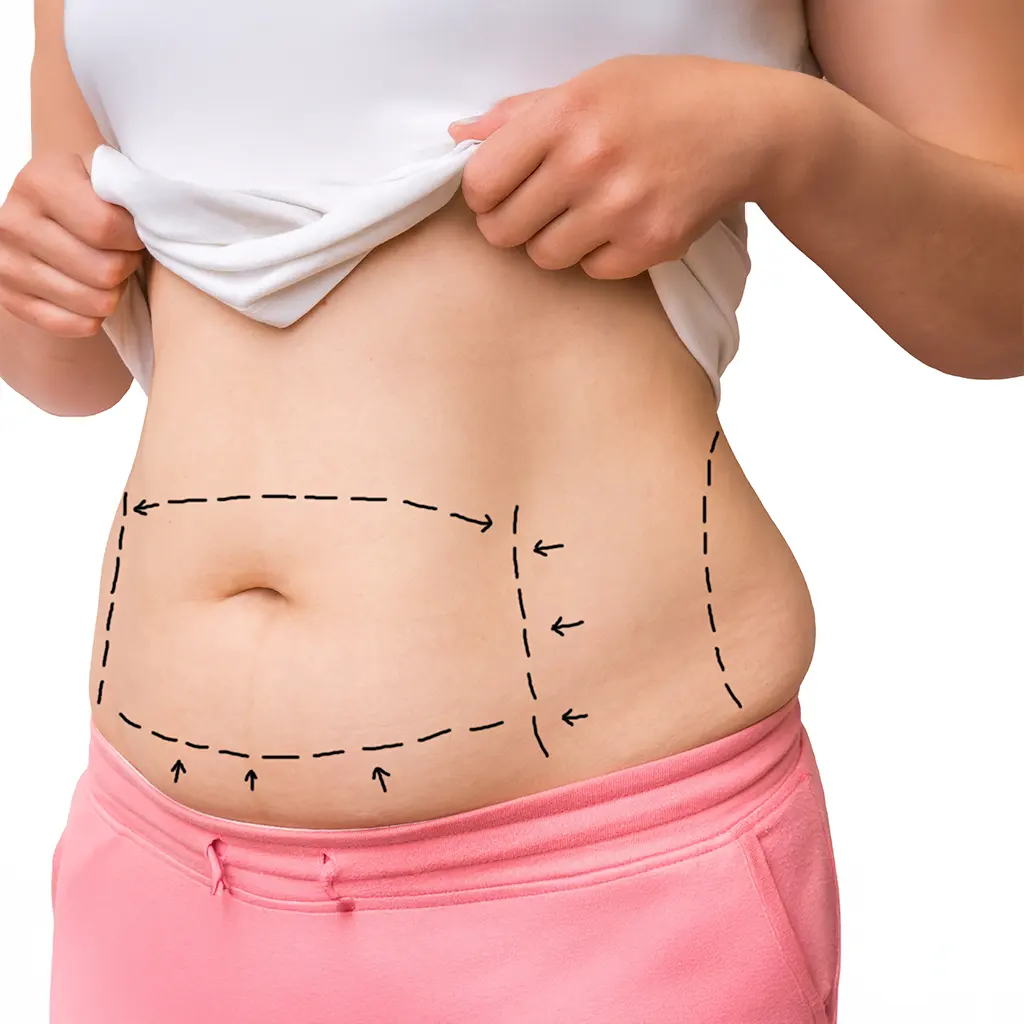
Tummy tuck surgery is performed to remove excess skin from the abdomen and, when necessary, reconstruct the abdominal wall. Particularly after pregnancy, the connective tissue that holds the abdominal muscles together along the midline may become stretched. This condition, known as rectus diastasis, may contribute to a protruding abdominal appearance and, in some patients, complaints related to core control.
In suitable patients, repairing the muscle separation may help support the abdominal wall and improve physical function. Some studies have also reported reductions in lower back pain and urinary incontinence. However, these problems may have different causes, and a tummy tuck is not a universal treatment for them. The need for muscle repair is determined not only by the appearance of the abdomen, but also by examination findings and existing symptoms.
How Does Removing Excess Skin After Major Weight Loss Affect Daily Life?
After major weight loss, the skin may not always adapt to the reduced body volume. Hanging folds of skin, particularly in the lower abdomen, may cause discomfort when walking, accumulation of sweat and moisture, recurrent skin irritation, or difficulties with personal hygiene. These problems may continue to affect daily life even after the weight-loss process has been completed.
Surgical removal of significant excess skin may help reduce these mechanical and skin-related problems in suitable patients. However, operations that only remove excess skin are not the same as tummy tuck procedures that also repair the abdominal wall. The appropriate procedure depends on the extent of the excess skin and any accompanying anatomical problems.
Can a Thigh Lift Reduce Inner Thigh Chafing and Skin Irritation?
Yes. Particularly after major weight loss, significant excess skin in the inner thighs may cause the tissues to rub against each other while walking. Continuous friction, sweating, and moisture accumulation may contribute to redness, irritation, and, in some patients, recurrent infections. This discomfort may make long walks, exercise, or wearing certain types of clothing more difficult.
A thigh lift aims to reduce tissue folds in the area by removing excess skin. This may reduce complaints related to friction and hygiene. However, the inner thighs touching each other does not by itself constitute an indication for surgery. In patients without significant excess skin, a surgical decision should not be made solely because of chafing.
How Does Arm Lift Surgery Affect Daily Movement and Physical Comfort?
Arm lift surgery is performed particularly to remove excess skin from the inner and back portions of the upper arms. Skin folds that become pronounced after major weight loss may make clothing more difficult to wear and may cause friction during movement or skin irritation near the armpits in some patients.
Reducing this excess skin may relieve these symptoms and help the patient feel more comfortable during daily activities. However, an arm lift does not directly increase muscle strength or improve the range of motion of the shoulder. Movement restrictions may be necessary during early recovery, and the surgical scars are permanent. Functional benefit should be considered in patients whose excess skin genuinely causes physical problems.
Are the Functional Benefits of Aesthetic Surgery the Same for Every Patient?
No. The degree of physical improvement may differ between patients undergoing similar procedures. This is because the source of the symptoms, anatomy, existing medical conditions, tissue characteristics, and extent of surgery are not the same in every patient. For example, shoulder discomfort related to breast weight may decrease after breast reduction, while pain originating from the spine may persist.
Functional benefits also do not always become apparent immediately during early recovery. Swelling, tenderness, and movement restrictions caused by surgery may temporarily reduce daily comfort. Therefore, the risks of surgery, the recovery process, and the realistic changes that can be achieved should be considered alongside the expected benefits.
How Should Aesthetic Expectations and Physical Symptoms Be Evaluated Together When Considering Surgery?
Before surgery, the patient’s expectations regarding appearance and the physical problems they experience should be defined separately. The source of pain, the frequency of skin irritation, the extent to which movement is affected, and whether symptoms can be controlled with non-surgical methods are all parts of this assessment. This helps clarify which problem the procedure is intended to address and which symptoms it cannot change.
In plastic surgery, aesthetic and functional goals may sometimes be addressed with the same procedure. However, the presence of physical symptoms alone does not automatically mean that surgery is necessary. The appropriate approach is to identify the anatomical problem and evaluate the expected benefit together with the surgical risks. This allows the decision to be based not only on a change in appearance, but also on the patient’s actual needs in daily life.
5/5 - (807 votes)
Book a Consultation
It’s easy and free!