After hair transplantation, many people naturally focus on when the transplanted hair will begin to grow and what the final appearance will look like. However, another matter that is just as important as the operation itself is how the recovery process is managed. Hair transplantation is not a procedure that ends on the day of …
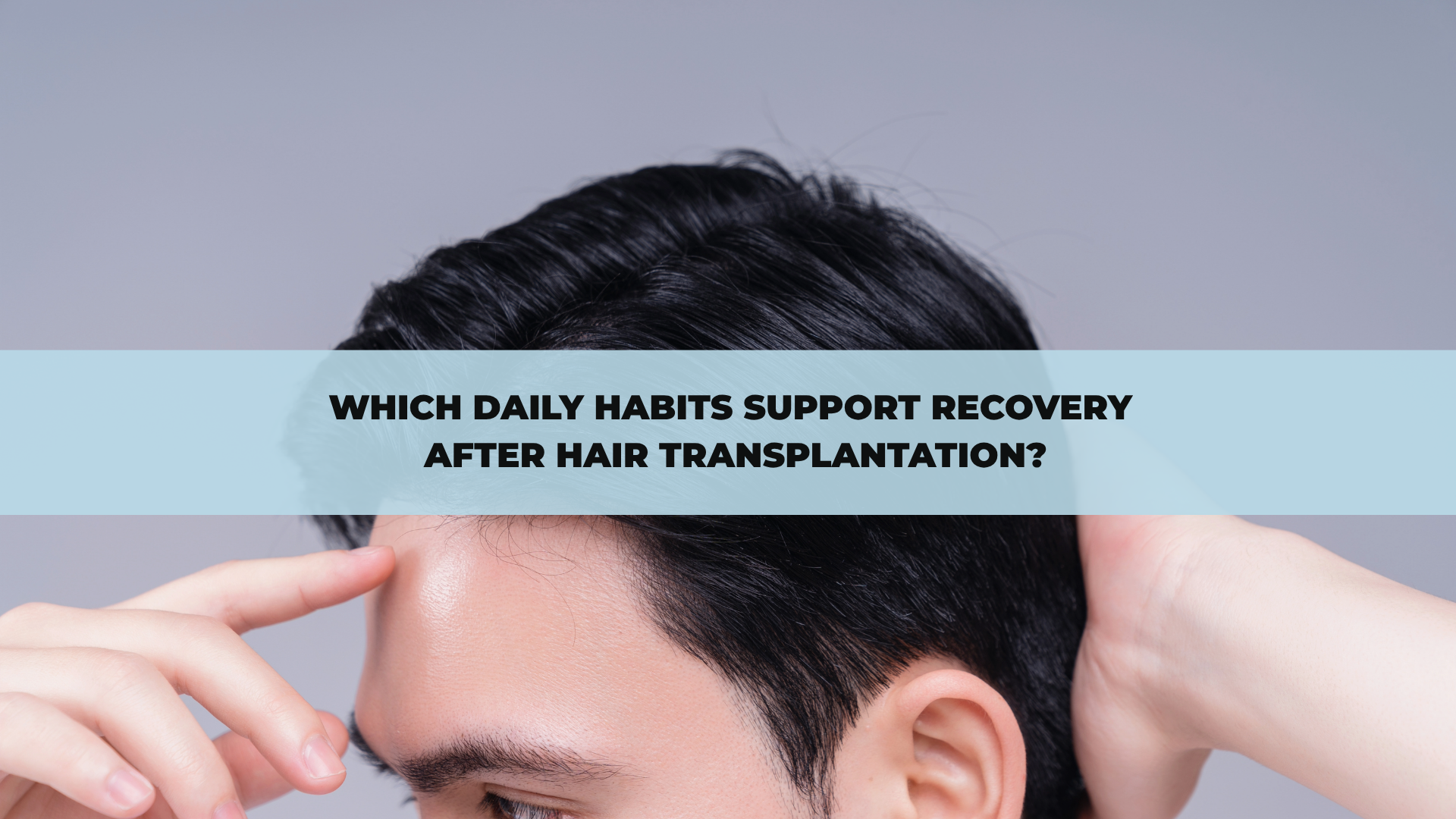
After hair transplantation, many people naturally focus on when the transplanted hair will begin to grow and what the final appearance will look like. However, another matter that is just as important as the operation itself is how the recovery process is managed. Hair transplantation is not a procedure that ends on the day of surgery; the hair follicles need time to adapt to their new locations, the scalp must recover and the hair growth cycle must begin again. Daily habits may influence the overall recovery experience during this period.
Rapid transformation videos frequently seen on social media may create the impression that hair transplantation is a process completed within a few weeks. However, tenderness, crusting and temporary changes in appearance during the first few days are generally considered normal. The “shock loss” period experienced during the first few months may also be unexpected for many people. For this reason, it is more realistic to consider the period after hair transplantation as a holistic recovery process rather than focusing solely on hair growth.
Daily factors such as diet, sleep quality, smoking, sun exposure, exercise habits and the way the scalp is treated may contribute to a more balanced recovery period after hair transplantation. However, an important distinction should be made: No lifestyle habit can produce a miraculous outcome on its own. The aim is to create conditions that may support the body’s natural healing process.
Why Is Protecting the Scalp Important During the First Few Weeks?
The first few days after hair transplantation are a sensitive period during which the transplanted follicles begin adapting to their new locations. Small crusts, redness and mild tenderness may be seen on the scalp during this time. The scalp should be treated more carefully, particularly during the first few weeks, because the transplanted follicles may initially be more sensitive to external factors.
Points that are generally considered during this period may include:
● Avoiding forceful contact
● Not scratching the scalp
● Avoiding activities that involve a risk of impact
● Following the recommended hair-washing routine
● Avoiding vigorous movements with a towel
Some individuals may want to remove the crusts from the scalp quickly. However, forcibly removing them is not recommended because crusting is generally part of the natural healing process. Protecting the scalp during the first few days is important not only for its appearance but also for allowing recovery to progress in a more controlled manner.
How Can Diet Support the Recovery Process?
Nutrition after hair transplantation is often overlooked. However, the body enters a healing process after a surgical procedure, and this process may be influenced by general health.
A balanced diet may provide support by:
● Supporting tissue repair
● Maintaining general energy levels
● Providing the variety of nutrients required during recovery
Adequate protein intake is particularly important because the body’s repair mechanisms require protein.
Food groups commonly recommended as part of a balanced diet include:
Protein Sources
● Eggs
● Fish
● Chicken
● Red meat, when appropriate for the individual’s health
● Yoghurt and dairy products
● Plant-based protein sources
Foods Rich in Vitamins and Minerals
● Green vegetables
● Seasonal fruits
● Nuts
● Whole grains
Adequate Water Intake
Fluid balance is important for the body’s general recovery process. However, it is important to avoid the idea that “one specific food makes hair grow.” The aim after hair transplantation is not to identify a particular superfood but to maintain an overall balanced diet.
Why Should Smoking and Nicotine Use Be Considered Carefully?
Smoking is one of the frequently discussed subjects during the period after hair transplantation. This is because nicotine may affect the circulatory system. Circulation is one of the factors involved in the healing process of the scalp. For this reason, many clinics may recommend limiting smoking or avoiding it for a certain period after hair transplantation.
The aims during the early period may particularly include:
● Supporting the healing environment
● Helping the scalp recover
● Reducing factors that may adversely affect general circulation
The important point is not to adopt a fear-based approach but to understand the principles of healing. Hair transplantation involves not only the transfer of hair follicles but also a biological adaptation process.
Can Alcohol Consumption Affect the Early Period?
Some individuals may want to return to their social lives quickly after the operation and may have questions about alcohol consumption. Some clinics may recommend greater caution regarding alcohol during the early period.
The reasons may include:
● The body still being in the recovery process
● The possibility of fluid balance being affected
● The possibility of interactions with certain medications
For this reason, recommendations during the early period may vary from person to person, and guidance provided by the clinic should be prioritised.
How Can Sleep Patterns Affect Recovery?
Sleep is important during the hair transplantation period, as it is after many surgical procedures. The body manages a significant part of its recovery processes during rest.
Particularly during the first few days, the following may be recommended:
● Regular sleep
● Adequate rest
● An appropriate head position
Some individuals may be advised to keep their head slightly elevated during the early period. The aim is generally to help manage early postoperative swelling. Disrupted sleep may affect not only energy levels but also the overall feeling of recovery.
When Can Exercise and Physical Activity Be Resumed?
After hair transplantation, many individuals wonder when they can return to their daily routines and exercise. Protecting the scalp is the main concern during the early period. While some activities may be resumed sooner, the following generally require more careful assessment:
● Exercise that causes intense sweating
● Weight training
● Contact sports
● Activities involving a risk of impact to the head
Excessive sweating or the risk of trauma during the early period may cause discomfort to the scalp. The return to physical activity generally progresses gradually and is planned according to the individual’s recovery.
Why Is Sun Protection Important?
The scalp may temporarily become more sensitive after hair transplantation. Intense sun exposure may cause the following in some individuals:
● Increased sensitivity
● Redness
● Discomfort
For this reason, avoiding direct and prolonged sun exposure may be recommended during the early period.
Particularly during the summer months, it may be important to:
● Avoid remaining under the sun for extended periods
● Follow the recommended protective measures
● Protect the head without causing trauma
However, a balanced rather than excessively restrictive approach remains important.
How Can Stress and Impatience Affect the Process?
After hair transplantation, many people may want to look in the mirror continuously and monitor daily changes. Constantly assessing hair growth during the first few months may create impatience. However, there is an important fact to remember: Hair growth is not a rapid process.
In particular:
● The appearance may change during the first month
● Shock loss may occur
● The first hairs to grow may be thin
● Density may increase gradually over time
For this reason, evaluating the process over broader periods rather than monitoring small daily changes is often more realistic.
Daily Habits May Create a Supportive Framework for the Outcome
The period after hair transplantation is not limited to the day of the operation, and daily lifestyle habits may influence the recovery experience. A balanced diet, regular sleep, protection of the scalp, controlled physical activity and general health habits may support the body’s natural recovery process.
However, it is important not to expect miraculous results from a single habit. Hair growth is a biological process and may progress at a different rate in each individual. Realistic expectations, patience and adherence to clinical recommendations may contribute to a more balanced recovery period after hair transplantation.
5/5 - (825 votes)
Book a Consultation
It’s easy and free!