Immediately after breast augmentation surgery, implants may appear larger, smaller, higher, or unusually tight compared with what was expected. This can often be part of the early healing process. Swelling, tension in the chest muscles, the implant not yet having settled into position, and the tissues adapting to the new volume can significantly affect the …

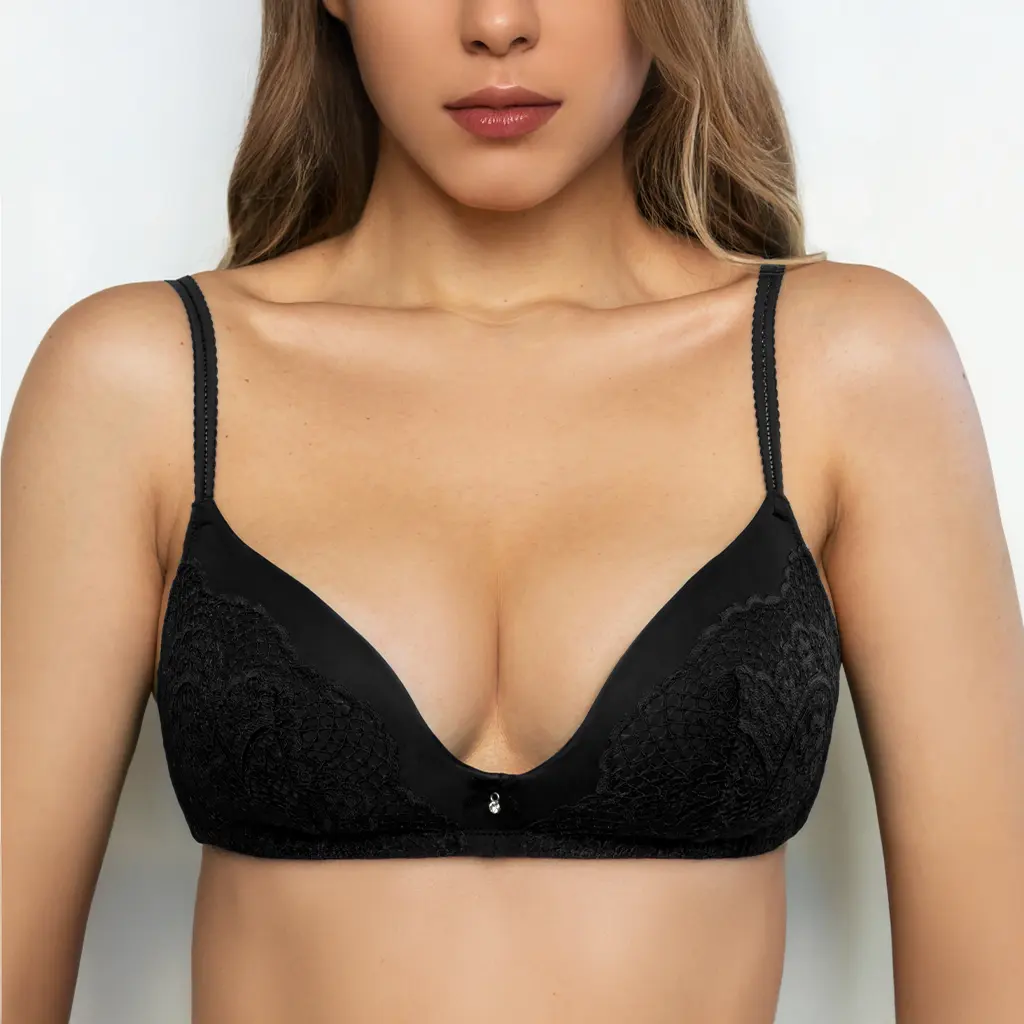
Immediately after breast augmentation surgery, implants may appear larger, smaller, higher, or unusually tight compared with what was expected. This can often be part of the early healing process. Swelling, tension in the chest muscles, the implant not yet having settled into position, and the tissues adapting to the new volume can significantly affect the initial appearance. For this reason, the first days or weeks after surgery are not the appropriate time to assess the final breast volume and shape.
The initial appearance may vary depending on whether the implant is placed above or below the muscle, the implant volume and profile, the amount of existing breast tissue, skin quality, and individual healing characteristics. For this reason, the same implant volume may look completely different in two different patients.
Why Can Implants Look Larger During the First Few Days?
Swelling naturally develops in the breast tissues after surgery. Because the implant pocket created during surgery and the surrounding tissues undergo a healing response, the breasts may temporarily appear fuller and tighter.
Swelling adds extra fullness to the actual volume of the implant. Particularly when there is swelling in the upper part of the breast, the breasts may appear rounder or more prominent than expected. As this swelling decreases, breast volume and contour gradually move towards a more natural appearance. Therefore, deciding during the early period that “the implant is too large” may be misleading.
Why Can Implants Look Smaller at First?
Some patients may experience the opposite impression. Particularly when the implant is placed beneath or partially beneath the chest muscle, the muscle may place greater pressure on the implant during the early period. This may prevent the implant from fully settling into the lower and lateral areas and make the expected projection appear less pronounced during the first few days. The breasts may look higher, tighter, and more compact.
As the tissues relax and the implant settles into a more natural position within the surgically created pocket, the breast shape and forward projection may become more noticeable.
Is It Normal for Implants to Sit High at First?
Particularly after breast augmentation, implants appearing high on the chest wall is one of the common changes seen during the early recovery period. This is caused by postoperative swelling, muscle tension, and the implant pocket not yet having fully relaxed.
As the tissues relax over time, the implants may settle towards their planned position. This process is sometimes informally described as the implants “settling” or “dropping.”
However, how much and how quickly the implant changes position varies according to the surgical technique, the plane in which the implant was placed, and the patient’s anatomy.
Why Does the Same Implant Volume Not Look the Same in Every Patient?
Implant volume alone does not determine breast size. The width of the chest wall, the amount of existing breast tissue, the diameter of the breast base, skin elasticity, and the implant profile all contribute to the final appearance.
For example, an implant of the same volume may appear more prominent in a patient with a narrower chest wall, while it may be distributed differently on a wider chest. For this reason, it is not appropriate to compare another patient’s result with your own based solely on the millilitre or cc volume of the implant.
How Do the Skin and Breast Tissue Affect the Appearance of the Implant?
The thickness and elasticity of the tissues covering the implant directly affect both the early and long-term appearance. Firmer skin and stronger tissues may restrict the implant more during the early period.
In tissues that are looser or have previously been stretched by pregnancy, breastfeeding, or weight changes, the implant may settle differently. The amount of existing breast tissue also affects how visible or noticeable the implant contour may be.
For this reason, the result of breast augmentation is evaluated not only according to the implant itself, but according to the shape created by the implant together with the patient’s existing tissues.
Does Breast Volume Decrease as Swelling Subsides?
As postoperative swelling decreases, some reduction in breast volume may be noticeable. This does not mean that the implant has become smaller; it results from the resolution of early postoperative swelling.
At the same time, breast shape may also change as the implant settles. Excessive fullness in the upper pole may decrease while the lower part of the breast becomes more naturally defined.
For this reason, patients may notice changes over time not only in the apparent size of the breasts, but also in their shape and proportions.
Can Asymmetry Be Normal During the Early Period After Breast Augmentation?
The two breasts do not always heal at the same rate. One side may have more swelling, greater muscle tension, or more noticeable tenderness. As a result, one implant may appear higher than the other or one breast may look larger during the early period. Minor temporary differences may decrease as the tissues heal.
However, progressively increasing swelling on one side, a sudden change in volume, significant pain, or unusual firmness should not be considered routine asymmetry and should be assessed by the surgical team.
When Can the True Appearance of the Implants Be Assessed?
The result of breast augmentation can be assessed more meaningfully as swelling decreases and the implants become more stable within the surgically created pockets. However, there is no single week that represents the final evaluation point for every patient.
Muscle structure, implant placement plane, skin elasticity, and the extent of surgery all affect the speed of recovery. For this reason, definitive conclusions about implant size or shape should not be made based on the appearance during the first few weeks.
The most accurate assessment is made once most of the swelling has subsided, the tissues have relaxed, and the implants have reached a more stable position. The impression that the implants look too small or too large during the early period is often caused more by temporary tissue changes during healing than by the actual size of the implants.
5/5 - (593 votes)
Book a Consultation
It’s easy and free!