BBL (Brazilian Butt Lift) has become one of the most frequently discussed aesthetic operations in body contouring in recent years. Although it has attracted attention particularly because of its approach to reshaping the waist-to-hip ratio, this surgery has also been at the centre of safety discussions. The main reason for this is that certain complications …
BBL (Brazilian Butt Lift) has become one of the most frequently discussed aesthetic operations in body contouring in recent years. Although it has attracted attention particularly because of its approach to reshaping the waist-to-hip ratio, this surgery has also been at the centre of safety discussions. The main reason for this is that certain complications came to the forefront in previous years and international surgical societies began developing new safety standards, particularly regarding fat injection techniques.
This situation naturally raises the following question for many patients: “Is BBL a safe surgery?” However, answering this question with a simple “yes” or “no” would not be realistic. This is because safety in aesthetic surgery does not depend on a single factor. The surgeon’s experience, patient selection, the surgical technique used, anatomical planning, operation duration and postoperative follow-up must all be evaluated together.
Today, BBL surgery is approached with different safety protocols compared with the past. In particular, the method of fat transfer, the selection of the anatomical plane and ultrasound-assisted techniques have gained greater importance within the modern understanding of surgical safety. However, the same plan may not be appropriate for every patient, and no aesthetic operation is considered completely risk-free. Therefore, what matters is how the risks are managed and how appropriately the surgical decision is tailored to the individual.
What Type of Surgery Is BBL?
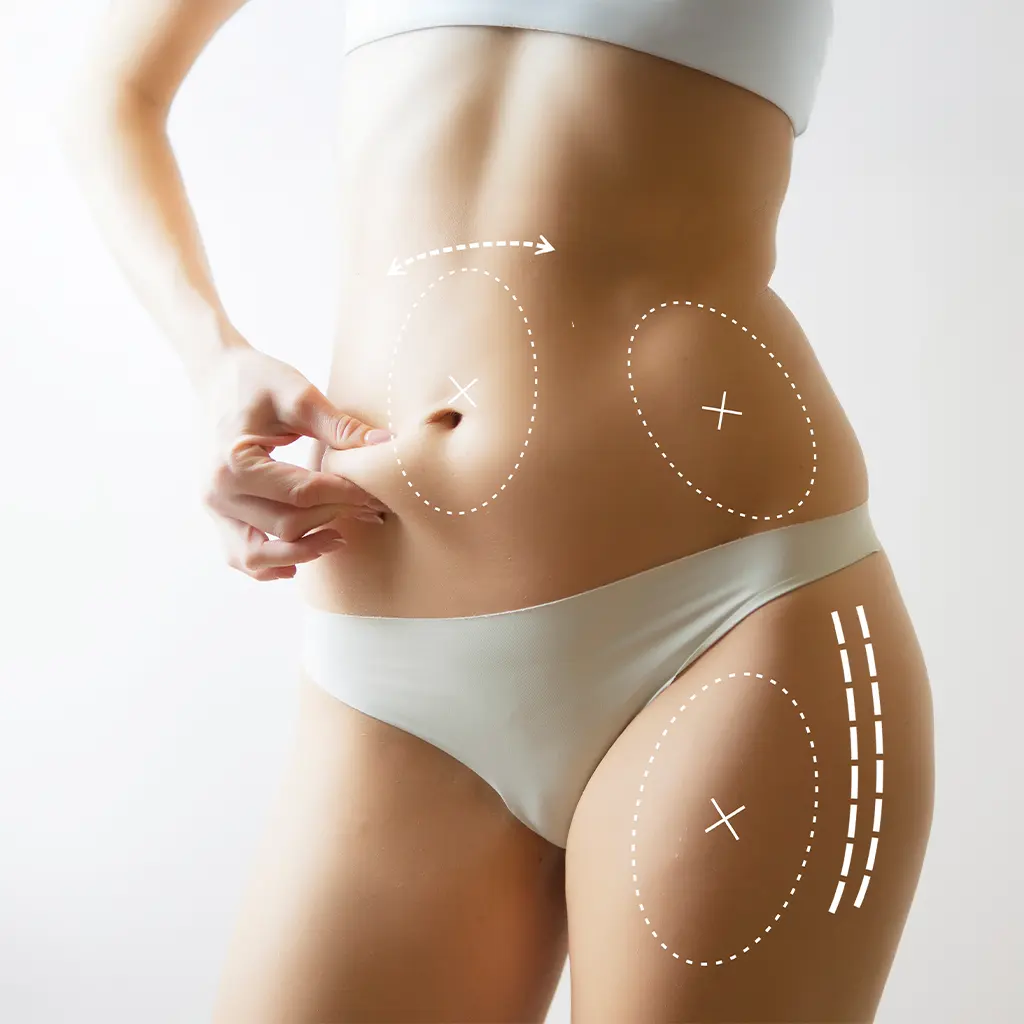
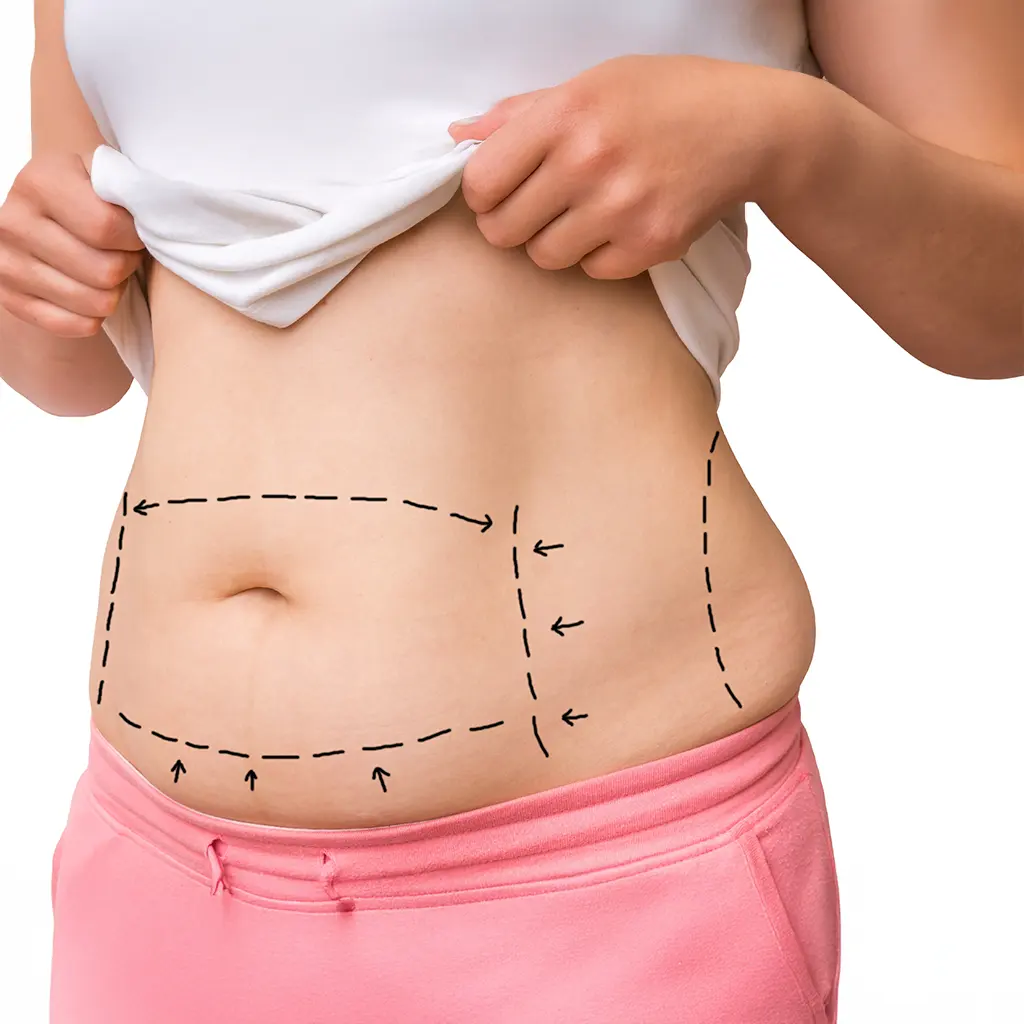
BBL is a body contouring operation that uses the patient’s own fat tissue. The basic approach involves removing fat from selected areas and transferring it to areas considered suitable.
The procedure generally consists of two main stages:
● Fat removal through liposuction
● Processing the fat and transferring it to the buttock area
Fat may commonly be removed from areas such as:
● The abdomen
● The waistline
● The flanks
● The lower back
● The outer thigh area
For this reason, BBL is not simply a “buttock enlargement” operation. In many cases, the main change is created by evaluating the transitions between the waist and hips together. For some individuals, contouring the waistline may help the buttocks appear more balanced. However, there is an important point to consider: Not every patient has the same anatomical structure. The available amount of fat, skin elasticity, pelvic structure and overall body proportions affect surgical planning. Therefore, BBL does not aim to create a standardised appearance; personalised contour planning is important.
Why Did BBL Safety Become a Subject of Debate?
The safety of BBL became more widely discussed, particularly after certain serious complications were reported in previous years. Injecting fat into anatomically inappropriate planes could increase certain risks. The most significant concern involved serious circulatory complications associated with fat being injected into the wrong anatomical plane. For this reason, international plastic surgery societies reassessed safety protocols over time and recommended several important changes in surgical practice.
Today, safety discussions mainly focus on the following areas:
● The anatomical plane into which the fat is injected
● The injection technique
● Patient selection
● Operation duration
● The extent of combined procedures
● Surgical experience and knowledge of anatomy
The important issue is to understand why previous complications occurred and to evaluate how modern safety practices have evolved to reduce these risks.
How Is Safety Evaluated in the Modern BBL Approach?
In recent years, the approach to safety in BBL planning has changed considerably. The aim is not only to create an aesthetically pleasing appearance but also to plan a safe surgical process within anatomical boundaries.
The following principles have become particularly important:
Patient Selection
Not everyone may be a suitable candidate for BBL.
The following criteria are commonly evaluated:
● Adequate fat reserves
● General health status
● BMI level
● Smoking habits
● Realistic expectations
● Skin quality
Some individuals may consider surgery solely because they want a result similar to those seen on social media; however, anatomical limitations are always decisive.
Surgical Time Management
Long operation times may affect the risk profile in certain cases. Therefore, the extent of surgery must be planned carefully when multiple procedures are combined.
Controlled Fat Transfer
The aim is not simply to create more volume. It is important to plan fat transfer in a balanced way and within anatomical boundaries. Pursuing excessive volume does not always lead to a better outcome.
What Is Ultrasound-Guided Fat Injection in BBL?
One of the approaches that has gained prominence in recent years is ultrasound-guided fat injection. With this method, the surgeon can use ultrasound technology during the procedure to assess the anatomical plane in which the fat is being transferred with greater control.
The main objectives may include:
● Visualising the anatomical plane more clearly
● Helping assess the position of the fat transfer
● Supporting surgical safety
However, there is an important point to consider: The use of ultrasound alone is not a system that “completely eliminates risk.” Safety depends not only on technology but also on the surgeon’s knowledge of anatomy, experience and overall surgical approach. Therefore, the modern approach to safety uses technology as a supportive tool while continuing to prioritise fundamental surgical principles.
Why Is Surgeon Selection Important for Safety?
In technically sensitive operations such as BBL, surgeon selection is an important consideration for many patients. The evaluation should extend beyond social media visibility or before-and-after photographs.
Factors that may be important include:
● Specialist training in plastic, reconstructive and aesthetic surgery
● Area of surgical experience
● Anatomical approach
● Knowledge of complication management
● International professional standards
International board certifications and professional membership processes such as FACS and FEBOPRAS may also provide additional reference points for some patients when assessing a surgeon’s professional background.
Is Everyone a Suitable Candidate for a High-Volume BBL?
Some pronounced body proportions seen on social media may create expectations for high-volume results. However, not every anatomical structure is suitable for the same amount of fat transfer.
The following factors are important during planning:
● Pelvic structure
● Existing buttock anatomy
● Skin quality
● Fat reserves
● Waist-to-hip ratio
● Overall body balance
For some individuals, a more limited and balanced volume plan may provide a more natural appearance. What matters is not volume alone, but the overall harmony between the waist, hips and torso. Therefore, the surgical goal is often not to create the “largest possible” appearance, but an anatomically balanced one.
How Does the Postoperative Period Affect Safety?
Safety is important not only during surgery but also throughout the postoperative period.
Particular considerations during the first few weeks may include:
● Avoiding prolonged direct pressure while sitting
● Wearing the recommended compression garments
● Maintaining controlled mobilisation
● Planning air travel appropriately
● Avoiding smoking
Some individuals may assume that the process is complete once the operation has finished. However, adherence to postoperative instructions plays an important role in reducing the risk of complications. Flight timing should be assessed carefully, particularly for patients planning to travel as part of medical tourism.
How Should BBL Safety Be Evaluated?
Although BBL can now be planned using more advanced surgical safety approaches, it still requires careful assessment, like every aesthetic procedure. Safety depends not only on the operation itself but also on patient selection, surgical technique, anatomical planning and the appropriate management of the postoperative period.
For this reason, the answer to the question “Is BBL safe?” is often individualised. Appropriate candidate selection, realistic expectations and a surgical approach based on modern safety principles may contribute to a more controlled process. The fundamental aim of aesthetic surgery is not only to alter appearance, but also to preserve safety and anatomical harmony together.
5/5 - (704 votes)
Book a Consultation
It’s easy and free!