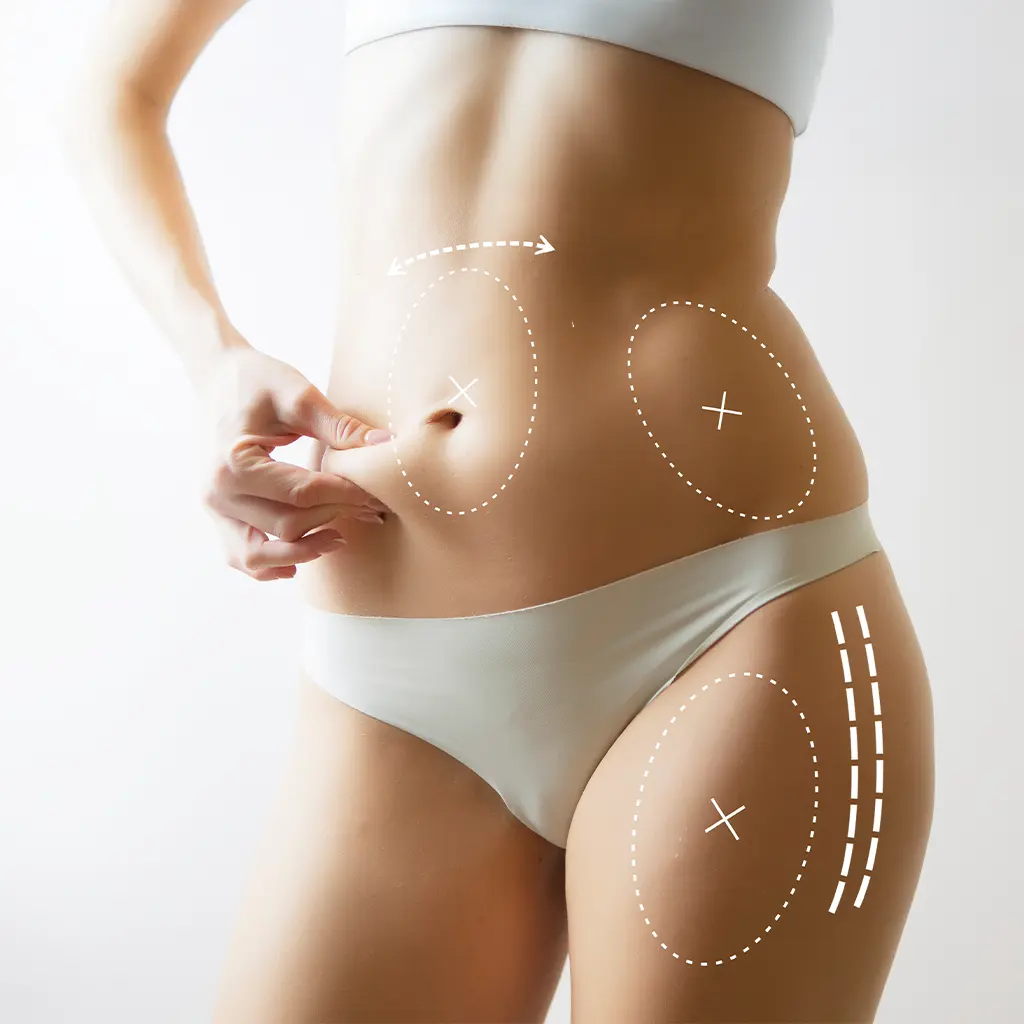
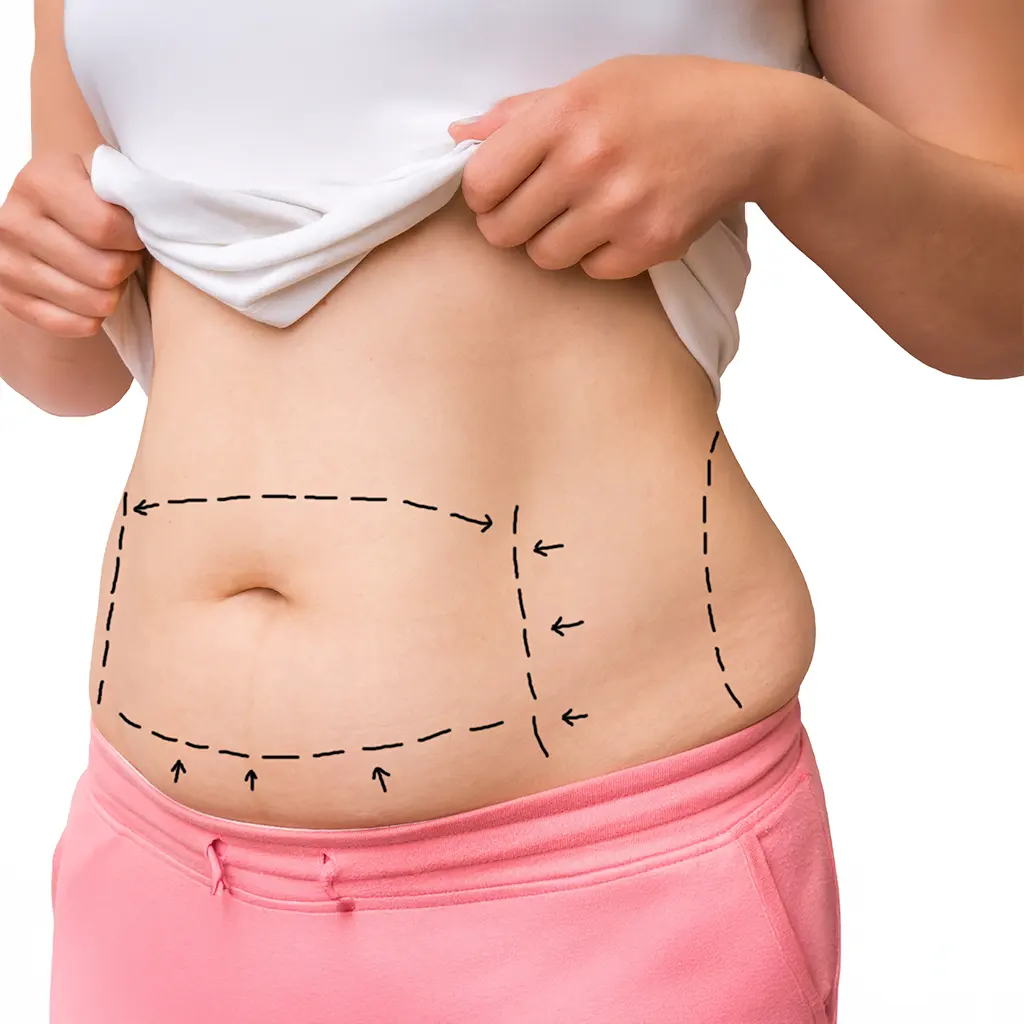
It can be normal for the buttocks to appear larger than expected during the first days and weeks after BBL. This is not caused solely by the volume of fat injected; postoperative swelling, oedema in the surrounding tissues, and the temporary slimmer appearance of the waist and abdominal areas treated with liposuction may also make …
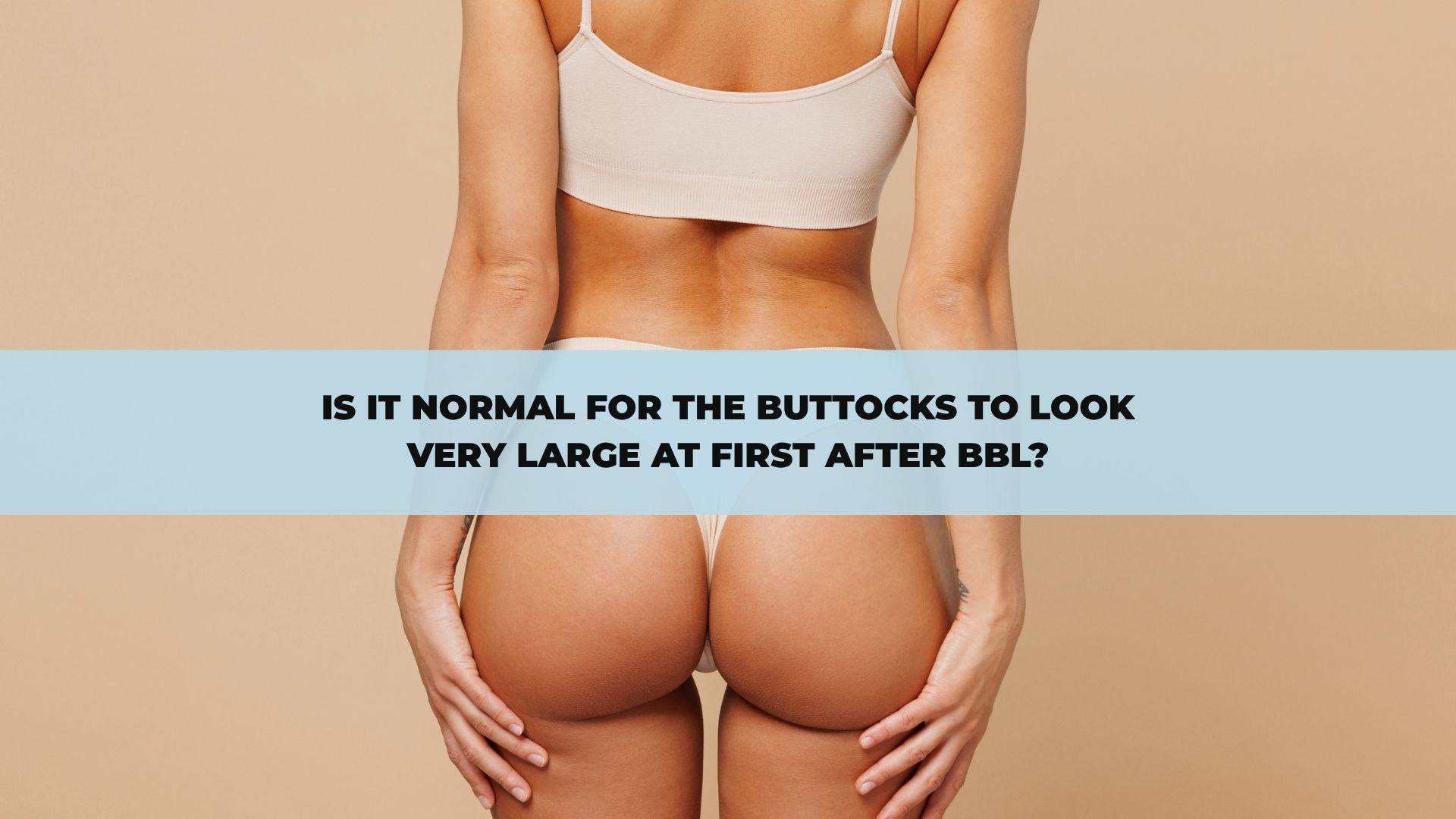
It can be normal for the buttocks to appear larger than expected during the first days and weeks after BBL. This is not caused solely by the volume of fat injected; postoperative swelling, oedema in the surrounding tissues, and the temporary slimmer appearance of the waist and abdominal areas treated with liposuction may also make the buttocks look larger than they actually are. In addition, because not all of the transferred fat remains permanently, the volume seen during the early period does not represent the final BBL result.
How much the buttocks decrease in size over time depends on the amount of fat transferred, how much of the transferred fat remains viable, resolution of swelling, the individual’s anatomy, and the healing process. For this reason, judging the permanent buttock volume based on the appearance immediately after surgery may be misleading.
Why Do the Buttocks Look Larger at First After BBL?
During BBL, fat obtained from the patient’s own body through liposuction is appropriately prepared and transferred into the subcutaneous tissue of the buttocks. Because the tissues are subjected to surgical intervention during the procedure, a natural inflammatory response and swelling develop in the area.
This swelling adds to the actual volume of the injected fat, causing the buttocks to appear fuller and tighter. If liposuction has also been performed on the waist, back, or abdomen, the reduction in volume around these areas may further enhance the visual prominence of the buttocks. Therefore, the early postoperative volume is a combination of the transferred fat and temporary tissue changes caused by surgery.
Does All of the Injected Fat Remain Permanently?
No. In fat transfer procedures, not all injected fat cells are expected to remain viable in the long term. The transferred fat cells need to establish a blood supply in their new location. Some cells that do not develop sufficient circulation may gradually be absorbed by the body.
For this reason, surgical planning takes into account that some of the transferred fat may be lost. However, this does not mean that as much fat as possible should be injected. The amount that can be transferred should be determined according to the capacity of the safe subcutaneous tissue in the buttocks and the individual’s anatomy.
Because the amount of fat that remains permanently varies from person to person, the volume seen immediately after surgery should not be assumed to remain exactly the same.
How Much Do the Buttocks Change as Swelling Decreases?
As swelling decreases during the first few weeks, the initially tight and excessively full appearance of the buttocks begins to soften. At the same time, an additional reduction in volume may occur as some of the transferred fat is gradually absorbed.
The rate of this change is not the same in every patient. The amount of fat transferred, tissue quality, circulation, and the postoperative healing process all affect how quickly the appearance settles.
Therefore, the buttocks beginning to become smaller during the early period does not mean that the procedure has failed, just as looking very large during the first few days does not mean that the final result will remain that way.
Can Liposuction of the Waist Make the Buttocks Look Larger?
Yes. During BBL, in addition to adding fat to the buttocks, fat tissue around the waist, back, or abdomen may also be reduced through liposuction. This changes the waist-to-hip ratio and may make the buttocks appear more prominent regardless of their actual volume.
For example, when the waist contour becomes narrower, the same buttock volume may appear more projected and wider. For this reason, the change created by BBL should not be assessed solely according to “how many millilitres of fat were injected into the buttocks.”
The overall appearance of the body depends on the proportions created by both the added volume and the reduction of volume in surrounding areas.
Why Can the Shape of the Buttocks Look Variable During the First Few Weeks After BBL?
Postoperative swelling may not resolve at the same rate in every area. One side of the buttocks may appear more swollen than the other, or certain areas may feel firmer. Similar swelling and temporary firmness may also develop in areas treated with liposuction. This can make the transition between the waist and buttocks appear uneven during the first few weeks.
Minor asymmetries seen during the early period are not always permanent. As the tissues soften and swelling decreases, the contour can be assessed more clearly over time. However, significantly increasing swelling on one side or swelling accompanied by unusual symptoms should not be considered routine recovery.
Can Sitting or Applying Pressure to the Buttocks Affect the Result?
During early recovery, the transferred fat cells are attempting to establish a new blood supply. For this reason, limiting prolonged and direct pressure on the buttocks may be an important part of postoperative care.
Recommendations regarding sitting and sleeping positions may vary according to the surgical technique used and the patient’s recovery. Therefore, applying a single timeframe found online to every BBL patient is not appropriate. The patient should follow their own surgeon’s instructions regarding sitting, sleeping, compression garment use, and activity.
When Can You Decide Whether the Buttocks Are Too Large?
It is generally too early to make this judgement during the first days or weeks after surgery. While swelling is still present and it is not yet clear how much of the transferred fat will remain permanently, the true buttock volume cannot be assessed accurately.
The contour settles gradually. As buttock volume decreases, swelling in the surrounding areas treated with liposuction also resolves, and body proportions continue to change. For this reason, rather than making an early definitive judgement that the buttocks are “too large” or “too small,” it is more appropriate to wait until the tissues become more stable.
Which Changes May Be Outside the Normal Healing Process?
Temporary swelling and changes in volume may be expected after BBL. However, sudden or progressively increasing swelling on one side, significant redness, uncontrolled pain, fever, foul-smelling discharge, shortness of breath, chest pain, or a marked deterioration in general condition should not be considered routine signs of recovery.
Symptoms such as shortness of breath or chest pain in particular may require urgent medical assessment. After BBL, it is important for patients to understand not only the expected aesthetic changes, but also which symptoms require prompt medical attention.
When Should the True Buttock Volume Be Assessed After BBL?
The result of BBL can be assessed more meaningfully after most of the swelling has subsided, the transferred fat tissue has stabilised, and the surrounding areas treated with liposuction have also healed. Because this process varies from person to person, it is not appropriate to consider a specific week as the date of the final result.
The buttocks appearing larger than expected during the early period is often a natural result of postoperative swelling and the planned fat transfer. Over time, swelling decreases, some of the fat is absorbed, and the tissues settle into a softer contour.
For this reason, it is more appropriate to recognise that the early appearance after BBL is temporary and to evaluate the result gradually as the tissues complete the healing process.
5/5 - (574 votes)
Book a Consultation
It’s easy and free!