Tummy Tuck in Turkey: How Does the Recovery Process Progress?
Recovery after tummy tuck surgery varies depending on the extent of the operation, whether the abdominal muscles are repaired, whether liposuction is combined with the procedure, and the individual’s general health. During the first few days, tightness, swelling, and limited movement in the abdominal area may be expected. While the return to daily life takes place gradually, complete tissue healing and the final definition of the abdominal contour may take several months. International patients planning a tummy tuck in Turkey should plan not only the surgery itself but also their length of stay, follow-up appointments, and return flight in advance.
Which Tissues Are Addressed During Tummy Tuck Surgery?
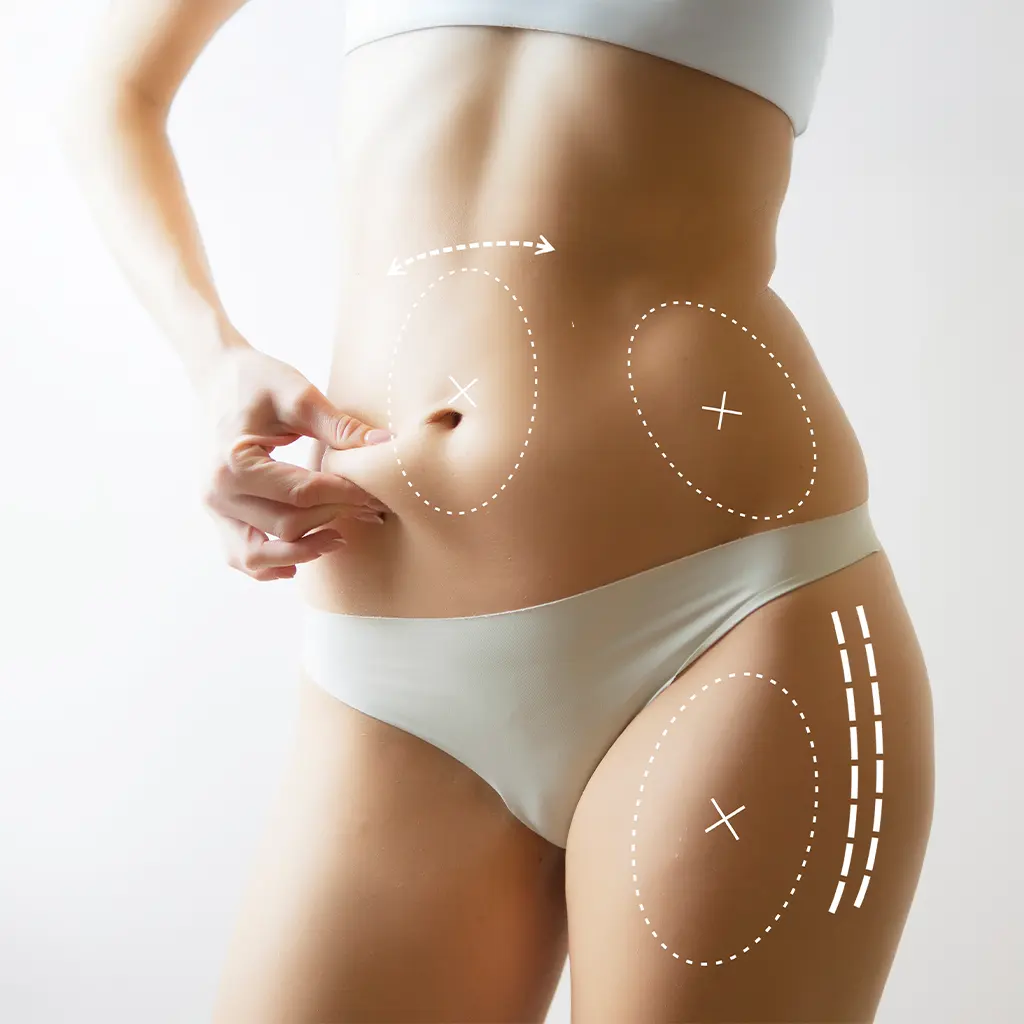
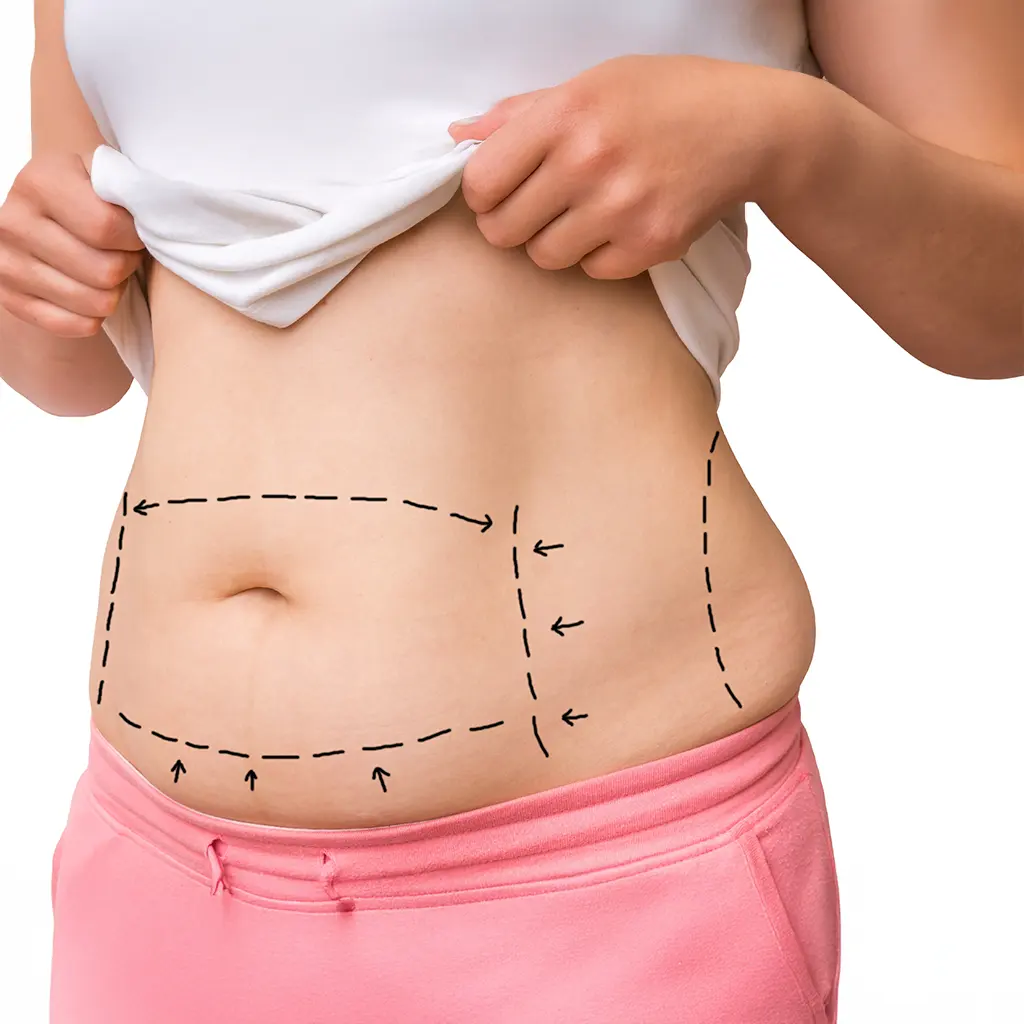
A tummy tuck is a body contouring procedure that aims to remove excess abdominal skin that cannot be corrected through diet and exercise. When necessary, weakened or separated abdominal muscles may also be brought closer together along the midline. In a full tummy tuck, a horizontal incision is made in the lower abdomen, and an additional incision may be made around the belly button.
The extent of surgery is not the same for every patient. A mini tummy tuck may be considered when there is only limited excess skin below the belly button, while a full or extended tummy tuck may be required in individuals with more extensive laxity around the abdomen and waist. Liposuction may also be added to improve the transitions between the waist and sides of the torso.
What Are the First Few Days After Surgery Like?
During the first few days, abdominal tightness, tenderness, swelling, and difficulty standing fully upright may occur. To reduce tension on the abdominal tissues, patients may initially be advised to walk slightly bent forward. As healing progresses, standing more upright usually becomes easier.
Pain and discomfort are managed with prescribed medications. Rather than remaining in bed continuously, patients should take short and regular walks as permitted by the surgeon. Early mobilisation supports circulation and helps reduce risks associated with prolonged inactivity.
When getting out of bed, it may be necessary to avoid straining the abdominal muscles, make movements slowly, and receive assistance with daily activities during the first few days. Bending, lifting heavy objects, and standing for prolonged periods may be particularly difficult.
Are Drains and Compression Garments Necessary?
Drains may be used after surgery to remove fluid that could accumulate beneath the incision area. Whether drains are required and when they should be removed depend on the surgical technique and the amount of fluid collected each day.
A special compression garment may be used to support the abdominal area and help control swelling. The American Society of Plastic Surgeons states that the incisions may be covered with dressings after tummy tuck surgery and that a compression garment may be applied to the abdomen.
How long the garment should be worn and for how many hours each day should be determined individually. An excessively tight or incorrectly used garment may negatively affect circulation and the incision area, so the surgeon’s instructions should be followed carefully.
Which Changes Are Normal During the First Few Weeks?
Swelling, bruising, firmness, and temporary numbness may occur around the abdomen and waist. Swelling may increase and decrease throughout the day, and the two sides may not heal at the same rate. For this reason, an abdominal contour that does not appear completely symmetrical or flat during the early period does not necessarily represent the final result.
The sensation of tightness around the wound gradually decreases over time. The incision scar may initially appear red or prominent, while scar maturation occurs over several months. A tummy tuck leaves a permanent scar across the lower abdomen, and a full tummy tuck may also leave a scar around the belly button.
When Can You Return to Work and Daily Life?
The timing of returning to work depends on the extent of surgery and the physical demands of the individual’s job. Someone who works at a desk cannot be expected to return to work at the same time as someone whose job involves heavy lifting or prolonged standing.
Driving should only be resumed when the patient can move comfortably, perform an emergency stop if necessary, and is no longer under the effects of pain medication. The surgeon’s approval should be obtained before returning to strenuous exercise, movements that place stress on the abdominal muscles, or heavy lifting.
Although full recovery is often described as taking approximately six weeks, complete resolution of swelling and settling of the abdominal contour may take longer.
How Long Should You Stay in Turkey?
The length of stay in Turkey should be determined according to the extent of surgery and the patient’s recovery rather than a standard package schedule. Being discharged from hospital does not mean that the patient is ready for a long-haul flight. The condition of the drains, wound healing, mobility, and any signs of possible complications should be assessed.
Scheduling major surgery and long-distance travel too close together may create additional risks related to blood clots and follow-up care. Guidelines on cosmetic surgery tourism emphasise allowing sufficient recovery time before the return flight and having the final decision made by the surgeon.
Before surgery, patients should also clarify how online follow-up appointments will be conducted after returning home, whom incision photographs should be sent to, and which healthcare facility should be contacted in an emergency.
Which Symptoms Require Contacting the Healthcare Team?
Increasing redness, foul-smelling discharge, high fever, uncontrolled pain, swelling in one leg, chest pain, or shortness of breath should not be considered part of normal recovery. If these symptoms occur, the healthcare team should be contacted or urgent medical attention should be sought.
Safe recovery after tummy tuck surgery depends not only on completing the operation, but on planning the entire process individually, from the first walks and wound care to compression garment use and the return flight. Patients should follow the surgeon’s examination and follow-up findings rather than relying solely on their own schedules.
5/5 - (697 votes)
Book a Consultation
It’s easy and free!