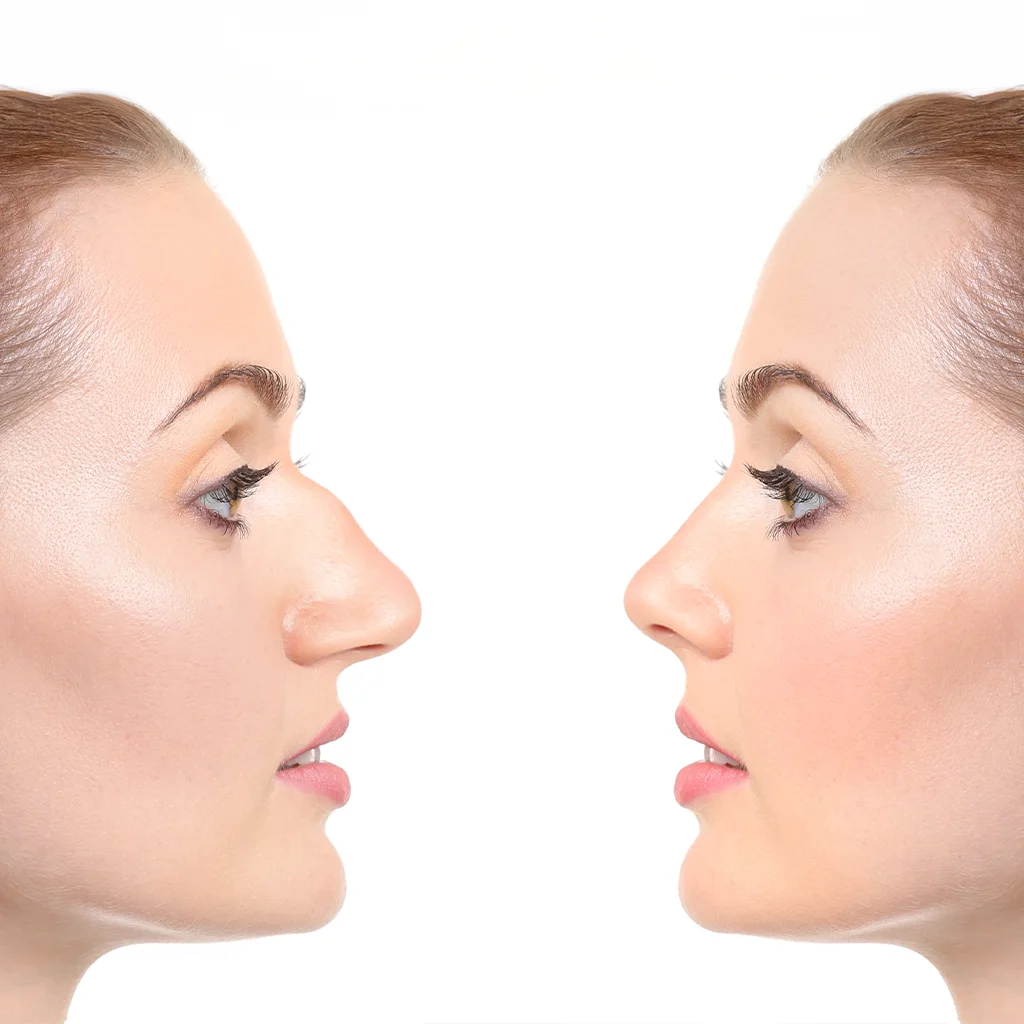
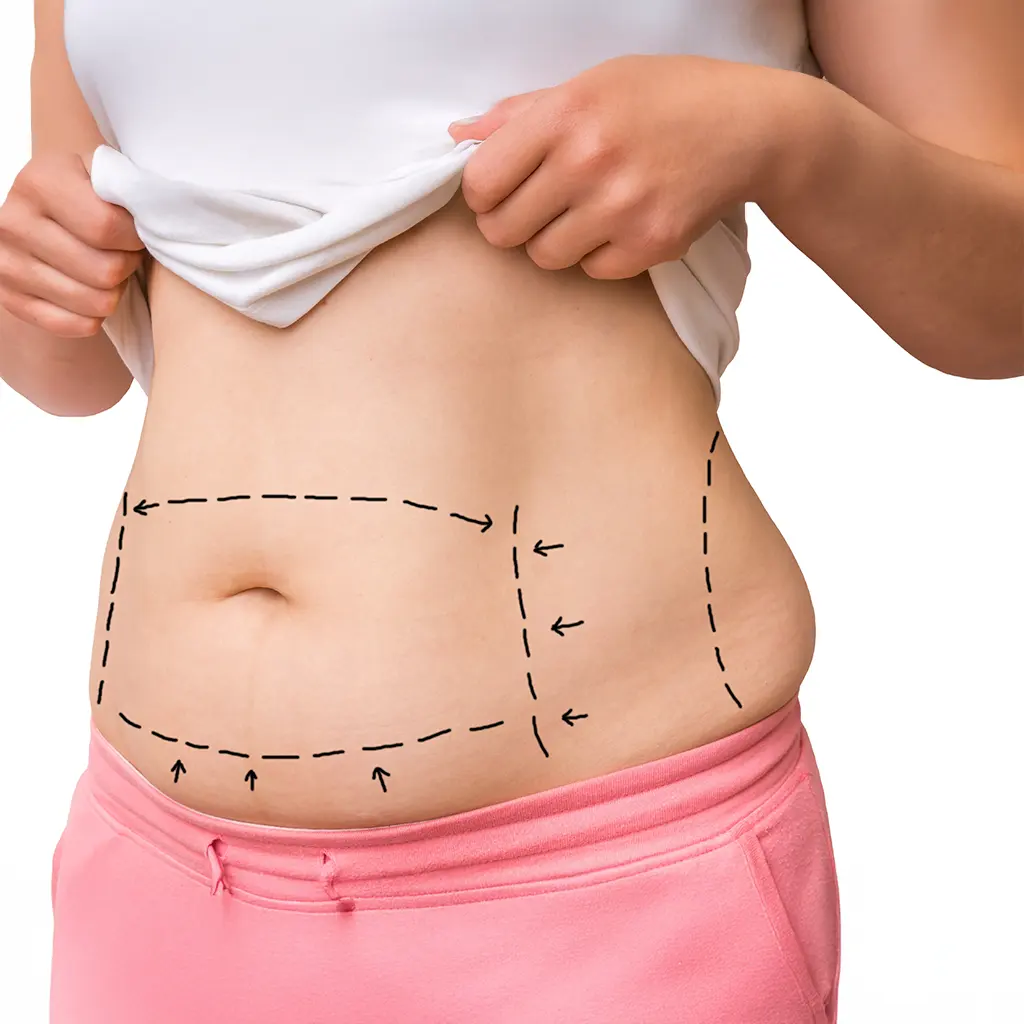
HD liposuction is an advanced body contouring technique that aims not only to reduce fat tissue in specific areas but also to make the natural borders of the muscles and transitions between body regions more visible. Unlike traditional liposuction, it does not focus solely on reducing volume; the abdomen, waist, back, chest, and surrounding areas …
HD liposuction is an advanced body contouring technique that aims not only to reduce fat tissue in specific areas but also to make the natural borders of the muscles and transitions between body regions more visible. Unlike traditional liposuction, it does not focus solely on reducing volume; the abdomen, waist, back, chest, and surrounding areas are assessed as a three-dimensional whole.
For international patients planning HD liposuction in Turkey, suitable patient selection, the surgeon’s knowledge of anatomy, skin quality, safe limits of fat removal, and the postoperative follow-up process should all be considered together.
What Is the Difference Between HD Liposuction and Traditional Liposuction?
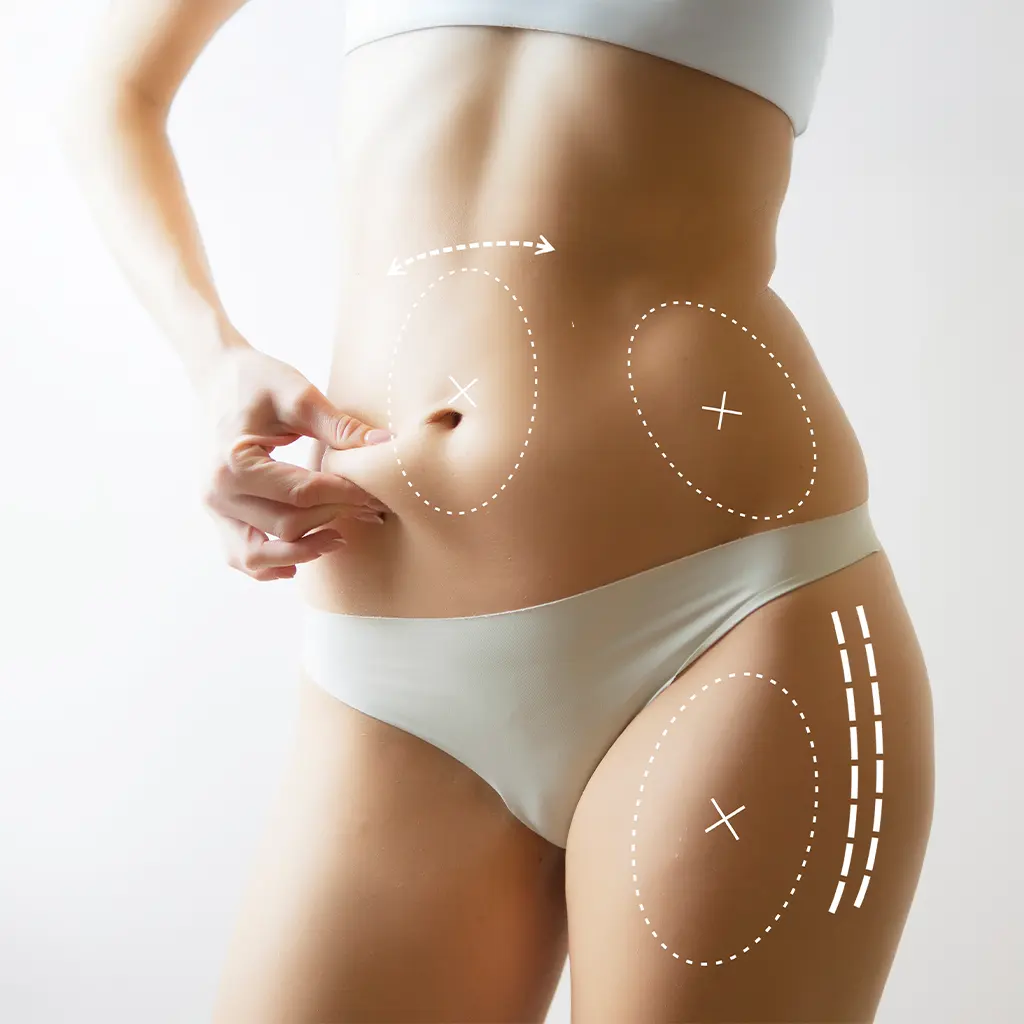
Traditional liposuction aims to improve body contour by reducing localised fat deposits that are resistant to diet and exercise. In HD liposuction, however, fat tissue is not removed equally from every area. Some regions are thinned more to reveal the natural contours of the muscles, while sufficient softness and volume are preserved in specific transition areas.
For example, in the abdominal region, the midline, the borders of the lateral muscles, and the transition into the waist may be considered. Because muscle distribution and commonly desired body proportions differ between male and female anatomy, planning varies according to sex, body structure, and the patient’s expectations. The aim is not to create artificial lines, but to enhance the individual’s existing anatomy in a controlled manner.
Who May Be Suitable for HD Liposuction?
HD liposuction is not a weight-loss operation. It is generally considered for individuals who are in suitable general health for surgery, have stable body weight, and have persistent fat deposits in specific areas. Adequate muscle tone and good skin elasticity may help make the created contours more visible.
Liposuction alone may not be sufficient for individuals with significant skin sagging. If there is considerable excess abdominal skin or separation of the abdominal muscles, a different procedure such as a tummy tuck may be required. When skin quality is poor, overly superficial fat removal may lead to irregularities or an unnatural appearance, so the surgical plan should be more conservative.
Can Surgery Create a Muscular Appearance?
HD liposuction does not build muscle. The surgeon reshapes the layer of fat beneath the skin according to anatomical contours, helping the existing muscle structure become more visible. If muscle mass is insufficient, removing fat alone may not create a clearly defined and athletic appearance.
For this reason, the patient’s muscle structure, fat distribution, and skin quality are assessed together before surgery. The abdominal definition seen in another patient cannot be reproduced exactly. Excessively sharp transitions that do not match the individual’s natural body structure may create an artificial appearance that makes it obvious that surgery has been performed.
How Do the Technologies Used Affect Planning?
In addition to traditional liposuction techniques, ultrasound-assisted or other energy-based systems may be used during HD liposuction. Ultrasound-assisted systems may facilitate the treatment of fat tissue, while certain energy-based devices may be used in selected patients to support the relationship between the skin and underlying tissues.
However, the device used does not by itself create a successful body contour. The surgeon determines where, at what depth, and to what extent the technology should be used. Energy-based devices also do not replace lifting procedures when significant excess skin is present.
How Does the HD Liposuction Process Begin in Turkey?
For patients travelling from abroad, the process generally begins with a preliminary assessment based on medical history, medications, previous operations, and body photographs taken from different angles. Although photographs provide information about fat distribution and overall proportions, skin quality, muscle structure, and the actual thickness of the tissues can be assessed more accurately only during a physical examination.
After arriving in Turkey, the patient undergoes an in-person examination, blood tests, and an anaesthesia assessment. The extent of the procedure discussed during the initial online consultation may change after the physical examination. It is important for the operation to be performed in a healthcare facility with appropriate conditions and for the current authorisation status of the facility and any intermediary organisation providing medical tourism services to be checked. The Republic of Turkey Ministry of Health publishes up-to-date lists of authorised healthcare facilities and intermediary organisations.
How Is the Extent of Surgery Determined?
The surgeon does not assess the abdominal area in isolation, but together with the waist, back, buttocks, rib cage, and pelvis. This is because excessive thinning of the front of the abdomen may not create a balanced appearance if the lateral and posterior areas are not addressed appropriately.
The amount of fat that can be removed is determined according to the patient’s weight, the number of areas being treated, the duration of surgery, and whether the procedure will be combined with other operations. Removing more fat does not always produce a better contour. As the size of the treated area and the amount of fat removed increase, safety considerations such as fluid balance, blood loss, and the risk of blood clots require more careful management.
How Are Recovery and the Return Home Planned?
After surgery, swelling, bruising, tenderness, and temporary changes in sensation may occur. Personalised instructions are provided regarding compression garment use, wound care, medications, walking, and the return to daily activities. Because of swelling during the early period, muscle definition cannot be assessed clearly immediately after surgery; the tissues gradually settle over time.
The length of stay in Turkey and the date of the return flight should be determined according to the extent of the procedure and the patient’s recovery rather than a standard package schedule. Being discharged from hospital does not mean that the patient is ready for a long-haul flight. Follow-up appointments should be completed, mobility should be assessed, and the surgeon’s travel recommendations should be followed.
For HD liposuction to be safe and natural-looking, the priority is not removing the greatest possible amount of fat, but maintaining limits that are appropriate for the patient’s anatomy. Patients planning surgery in Turkey should evaluate the surgeon’s experience, the technique to be used, the healthcare facility where the operation will be performed, and the follow-up system available after they return home.
5/5 - (831 votes)
Book a Consultation
It’s easy and free!