Changes in breast appearance over time may occur for many different reasons. Pregnancy and breastfeeding, significant weight fluctuations, ageing, genetic factors and reduced skin elasticity may lead to breast sagging, volume loss or changes in shape. In some women, only a downward change in breast position may occur, while others may also experience loss of …
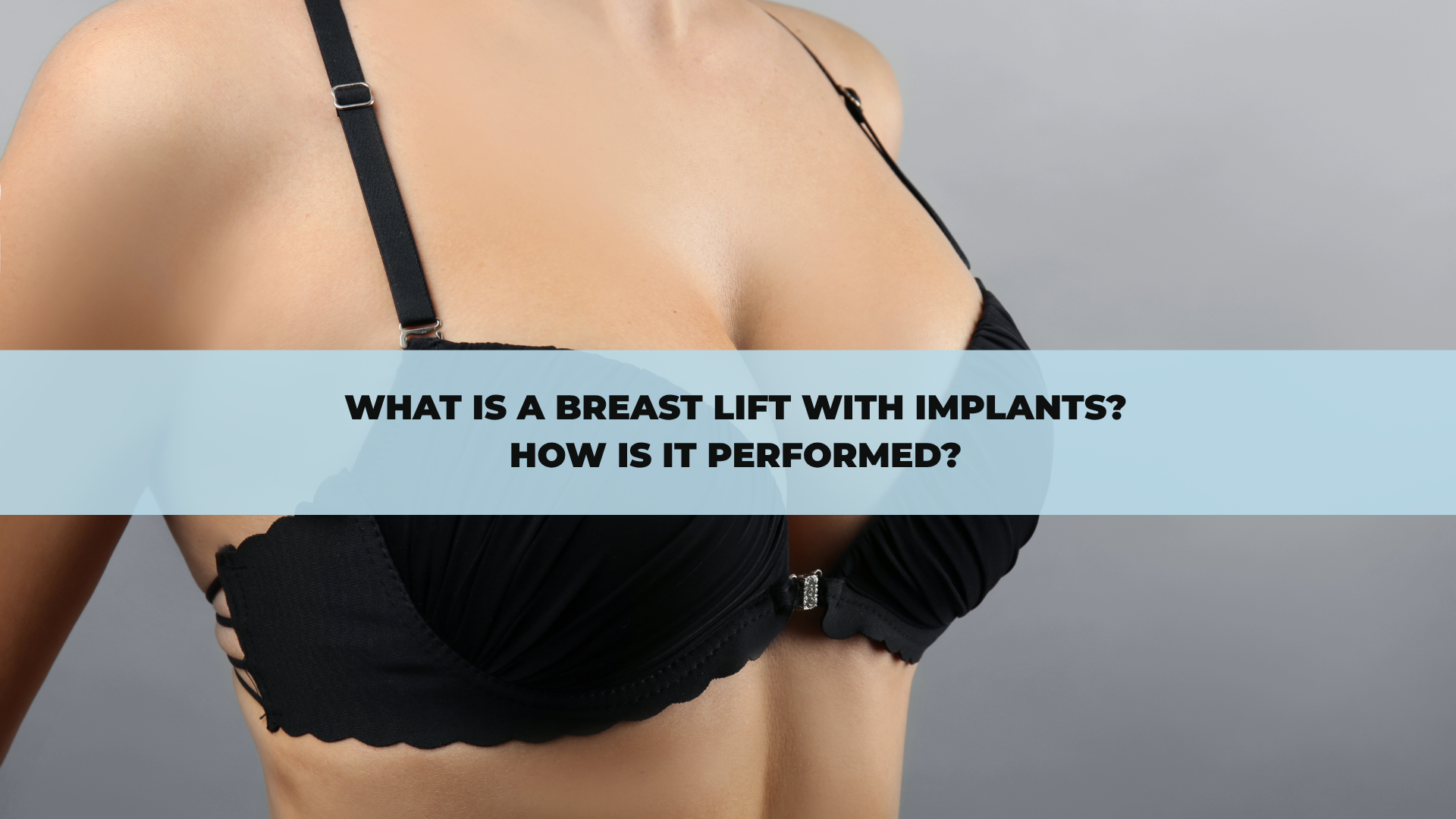
Changes in breast appearance over time may occur for many different reasons. Pregnancy and breastfeeding, significant weight fluctuations, ageing, genetic factors and reduced skin elasticity may lead to breast sagging, volume loss or changes in shape. In some women, only a downward change in breast position may occur, while others may also experience loss of upper pole fullness and reduced volume.
One of the most frequently asked questions at this point is: Is a breast lift alone sufficient, or is an implant needed? Some individuals want the nipple to be repositioned to a more balanced level, while others also desire a fuller upper breast appearance. In such cases, a breast lift with implants may be considered as one of the options that combines breast reshaping and volume support within the same operation.
However, there is an important point to consider: An implant is not necessary for every sagging breast. Similarly, an implant alone may not be sufficient in every case of volume loss. Surgical planning is carried out by assessing the current condition of the breast tissue, skin elasticity, nipple position and the individual’s expectations together. Therefore, a breast lift with implants should be considered a personalised approach rather than a standard procedure.
What Exactly Is a Breast Lift with Implants?
A breast lift with implants involves performing breast lift surgery and placing a breast implant during the same operation.
The primary aim is generally to address two concerns at the same time:
● Reshape sagging breast tissue
● Support lost volume
In some individuals, the nipple may have moved downwards while breast volume remains adequate. A breast lift alone may be sufficient in these cases.
In other patients, the following may occur together:
● Loss of fullness in the upper breast
● Volume loss after breastfeeding
● A smaller breast appearance
● Pronounced sagging
In such cases, implant support may be considered. The aim is not simply to create larger breasts. Instead, the goal is to plan the breast shape, projection and body proportions in a more balanced way.
In Which Cases May a Breast Lift with Implants Be Considered?
A breast lift with implants is not necessary for every patient. In some individuals, reshaping the existing breast tissue alone may be sufficient.
An implant-based approach may be considered more often in situations such as:
● Pronounced loss of fullness in the upper breast
● Volume loss after breastfeeding
● Sagging and reduced breast size occurring together
● A desire for greater upper pole fullness
● Significant reduction in breast volume
Particularly after pregnancy and breastfeeding, some women may experience both reduced breast volume and downward displacement of the nipple. In such cases, placing an implant alone may not always be sufficient. Adding volume without reshaping sagging breast tissue may create an unnatural appearance. Similarly, a breast lift alone may not provide the desired fullness in some individuals. For this reason, planning is often based on assessing both needs together.
Are a Breast Lift and Breast Implants the Same Thing?
No. These two procedures serve different purposes.
Breast Lift (Mastopexy)
The main aims are to:
● Reposition the nipple
● Tighten excess skin
● Reshape the breast
However, a breast lift does not always provide a significant increase in volume.
Breast Implant
The main aims may include:
● Increasing breast volume
● Supporting projection
● Enhancing upper pole fullness
However, an implant alone may not completely correct significant sagging. For this reason, a combined approach may provide a more balanced result for some individuals.
How Is a Breast Lift with Implants Performed?
Surgical planning varies entirely according to the individual’s anatomy. However, the operation generally involves two main stages:
Reshaping the Breast Tissue
The sagging breast tissue is rearranged.
During this stage:
● Excess skin may be tightened
● The nipple may be moved to a more balanced position
● The breast contour may be reshaped
Implant Placement
An implant may be used when additional volume support is needed.
When selecting an implant, the following are assessed together:
● Chest width
● Thickness of the breast tissue
● Skin characteristics
● Body proportions
● Level of expectation
The aim is not simply to create greater volume, but to plan an appearance that is compatible with the individual’s anatomy.
How Is the Implant Selected?
Many patients may try to choose an implant based only on its volume in cc. However, implant planning is more comprehensive than this.
Factors that may be considered include:
● Breast width
● Skin elasticity
● Existing breast volume
● Shoulder-to-waist proportions
● Chest anatomy
Very large implants may not be suitable for every anatomy. Long-term tissue support should be assessed carefully, particularly in individuals with thin skin or significant sagging. For this reason, standard implant volumes seen on social media may not be suitable for everyone.
Will There Be Scars After a Breast Lift?
Incisions are required in breast lift surgery with implants because the breast is reshaped and excess skin is adjusted.
The scar pattern may vary according to:
● The degree of sagging
● Breast size
● The amount of excess skin
● The technique used
A more limited scar may be sufficient for some individuals, while more extensive incision planning may be required in cases of advanced sagging. However, scars seen during the early period generally do not reflect their final appearance.
During the first few months, scars that appear:
● More noticeable
● Slightly red
● Firm to the touch
may soften and become less visible over time.
How Does the Recovery Process Progress?
During the first few days, the breast area may experience:
● Swelling
● A feeling of tightness
● Tenderness
● A temporary sensation of the breasts sitting high
This process may vary from person to person. The general timeline often progresses as follows:
First Few Weeks
Swelling and tenderness are the main features of this period.
1–3 Months
The breast shape begins to appear more natural.
3–6 Months
The tissues continue to soften.
6–12 Months
A more realistic assessment of the outcome can be made.
It is particularly important to understand that the breasts have not reached their final shape during the early period.
Does Every Sagging Breast Require an Implant?
No.
Some individuals may only want the nipple to be moved higher and already have sufficient breast volume. Some women may prefer a small implant, while others may not want an implant at all. Therefore, the more appropriate question is often not “Do I need an implant?” but “Which approach is more suitable for my anatomy and expectations?”
Which Approach May Be More Suitable?
A breast lift with implants is a combined surgical approach that may be considered for some individuals who have both breast sagging and volume loss. However, it is not necessary for every patient, and planning varies entirely according to breast structure, skin quality, body proportions and expectations.
A breast lift alone may be sufficient for some individuals, while implant support may provide a more balanced contour for others. The aim is not to create a standard breast shape, but to plan a natural and balanced appearance that is suitable for the individual’s anatomy.
5/5 - (700 votes)
Book a Consultation
It’s easy and free!