Facial ageing is often not limited to wrinkles in the skin. Over time, reduced skin elasticity, downward displacement of facial fat, loss of definition along the jawline and laxity in the neck may occur together. In particular, volume loss in the midface, deepening nasolabial folds and a “tired facial” appearance may become increasingly noticeable. One …
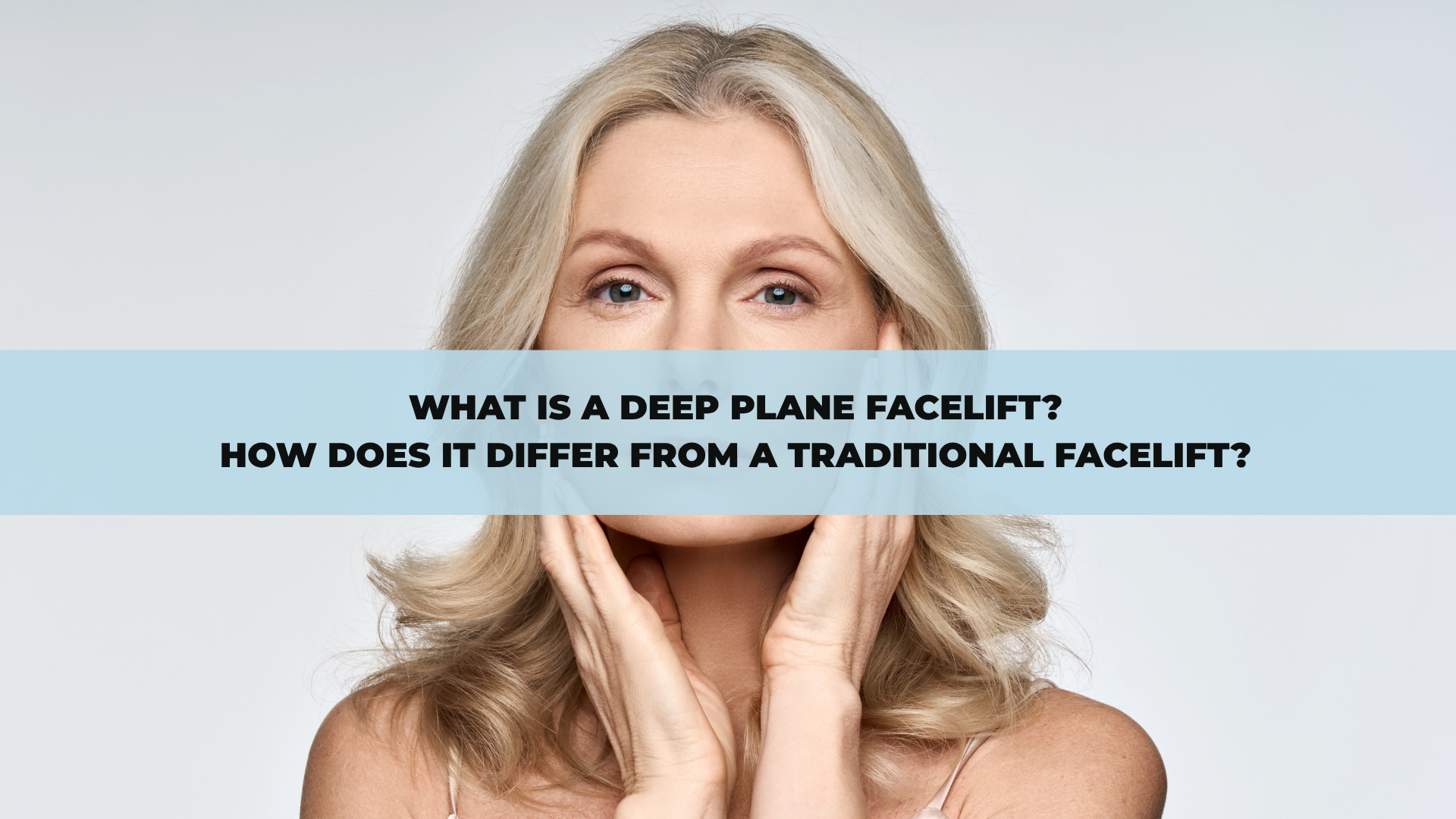
Facial ageing is often not limited to wrinkles in the skin. Over time, reduced skin elasticity, downward displacement of facial fat, loss of definition along the jawline and laxity in the neck may occur together. In particular, volume loss in the midface, deepening nasolabial folds and a “tired facial” appearance may become increasingly noticeable.
One of the terms heard more frequently in recent years when researching facial rejuvenation methods is the Deep Plane Facelift. It has become widely discussed because of its aim to create a more natural appearance, its approach to addressing not only the skin but also the deeper anatomical layers of the face, and its effect on the midface. However, many patients ask the following question: “What exactly is a Deep Plane Facelift, and how does it differ from a traditional facelift?”
There is an important point to understand: A Deep Plane Facelift does not simply mean a “stronger” or “more extensive lift.” The fundamental difference relates to the anatomical layer in which the surgery is performed and how the tissues are repositioned. Therefore, the same approach may not be suitable for every patient, and surgical planning should be assessed according to the individual’s ageing pattern, facial anatomy and expectations.
Why Does Facial Ageing Occur?
Facial ageing cannot be explained solely by skin laxity. The ageing process affects the skin, fat tissue, connective tissues and muscular system together.
Changes that may develop over time include:
● Downward displacement of volume in the midface
● Reduced definition of the jawline
● Laxity beneath the chin
● Deepening nasolabial folds
● Reduced cheek support
● Sagging in the neck area
For this reason, tightening the skin alone may not always create a natural sense of rejuvenation. A significant part of facial ageing is related to changes in the deeper tissues. Particularly in some facelift techniques used more frequently in previous years, placing greater emphasis on skin tension alone could create an excessively “pulled” appearance in certain individuals. Modern facial rejuvenation approaches instead aim to restore support closer to the natural anatomical position.
What Is a Deep Plane Facelift?
A Deep Plane Facelift is a facelift approach that addresses the deeper anatomical layers of the face. The primary aim is not simply to pull the skin upwards. Instead, the goal is to reposition facial tissues that have shifted downwards with age within the appropriate anatomical plane.
This approach may be particularly effective in the following areas:
● The midface
● The jawline
● Lower facial contour
● Neck transitions
● The nasolabial area
In the Deep Plane approach, the skin and deeper supporting tissues are mobilised together. As a result, more balanced transitions may be achieved in some individuals rather than relying only on surface tension. However, an important misconception should be corrected: A Deep Plane Facelift does not mean “lifting the face more.” The aim is to create a more balanced appearance while preserving the natural anatomical structure of the face.
How Does It Differ from a Traditional Facelift or SMAS Facelift?
The main difference between a Deep Plane Facelift and a traditional facelift relates to the anatomical plane in which the surgery is performed.
Traditional Facelift / SMAS Approach
This approach works on the supporting tissue known as the SMAS, or Superficial Musculoaponeurotic System.
With this method:
● The skin may be tightened
● The jawline may be supported
● The neck area may be improved
However, its effect on the midface may be more limited in some individuals.
Deep Plane Facelift
This approach proceeds within deeper anatomical planes.
With this technique:
● Midface tissues may be mobilised together
● The nasolabial area may be addressed more naturally
● Cheek support may be repositioned
● The jawline and neck transitions may be treated together
For this reason, it may contribute to more comprehensive facial rejuvenation in some patients. However, there is no single correct approach for every individual. A traditional SMAS technique may be sufficient for some people, while a Deep Plane approach may be considered more suitable for others.
Does a Deep Plane Facelift Create a More Natural Appearance?
This question is frequently asked, but the answer may vary from person to person. One reason the Deep Plane approach is widely discussed is that it may create facial tissues that move more naturally in some patients.
It may particularly be considered for individuals who:
● Want to avoid an excessively pulled appearance
● Have pronounced midface sagging
● Have lost jawline definition
● Have laxity in the neck area
However, the concept of a “more natural” appearance does not depend solely on the technique.
Factors that may affect the outcome include:
● Surgical planning
● Anatomical approach
● The patient’s skin characteristics
● Ageing pattern
● Expectations
No technique alone can guarantee a particular appearance. The important aim is to create more balanced transitions without completely changing the character of the face.
Who May Be Suitable for a Deep Plane Facelift?
Facial ageing does not progress in the same way for everyone. Therefore, assessing candidate suitability is important.
It may generally be considered in cases involving:
● Pronounced midface sagging
● Loss of jawline definition
● Laxity beneath the chin
● Changes in the transition between the face and neck
● An expectation of longer-lasting structural support
Some individuals may research facelift surgery because of only mild sagging. In such cases, more limited procedures may be sufficient instead of surgery. Therefore, age alone is not the determining factor. What matters is the degree of change in the facial tissues and the individual’s needs.
How Is a Deep Plane Facelift Performed?
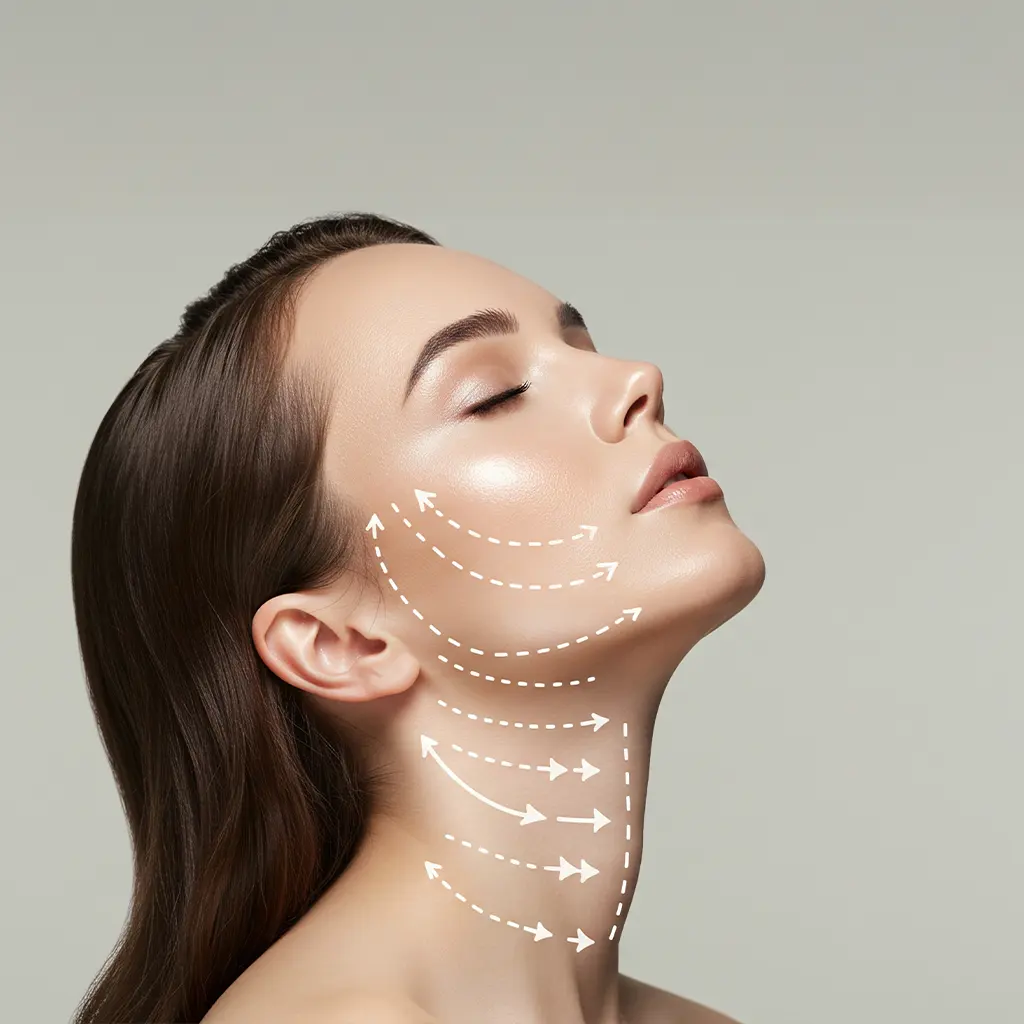
Although surgical planning varies according to the individual, the procedure is generally performed through incisions placed around the ears and close to the hairline.
The aims may include:
● Mobilising the deeper facial tissues
● Repositioning displaced tissues
● Supporting the jawline
● Refining the neck transition
In some cases, the procedure may be combined with:
● Neck lift
● Eyelid surgery
● Fat transfer
● Brow or forehead procedures
However, a combined approach is not necessary for every patient.
What Is the Recovery Process Like?
Certain changes may be expected during the early period after facelift surgery.
Particularly during the first few days, there may be:
● Swelling
● Bruising
● A feeling of tightness
● Temporary numbness
Many people wonder when they can return to social activities. However, recovery may vary between individuals.
In general:
First 1–2 Weeks
Swelling may be more noticeable.
2–6 Weeks
Facial contours may begin to appear more balanced.
Within a Few Months
The tissues settle into a more natural position.
The appearance seen in the mirror during the early period is not the final outcome.
For this reason, it is important to understand that recovery develops over time.
Is a Deep Plane Facelift Permanent?
No facelift procedure can stop the ageing process completely. However, because a Deep Plane Facelift may provide more structural support in some individuals, it may be considered in terms of longer-term results.
The process may still be affected by factors such as:
● Genetic characteristics
● Skin quality
● Smoking
● Sun exposure
● Lifestyle
The aim is not to stop time, but to reorganise the effects of facial ageing in a more balanced way.
Which Approach May Be More Suitable?
A Deep Plane Facelift is one of the modern facelift approaches that evaluates facial ageing not only at skin level but also through the deeper anatomical layers. It may be a suitable option for some patients, particularly when structural changes affect the midface, jawline and neck. However, there is no single correct method for every individual.
The important point in facial rejuvenation planning is not only the name of the technique, but the combined assessment of the individual’s anatomy, ageing pattern and expectations. The aim is not to change facial expression, but to preserve the character of the face while creating a more balanced and rested appearance.
5/5 - (707 votes)
Book a Consultation
It’s easy and free!