In aesthetic surgery planning, some cases require addressing more than one anatomical area within the same surgical process instead of focusing on a single region. This approach is referred to as “combined aesthetic surgery.” It is especially considered when multiple body changes occur after pregnancy, when skin laxity develops after significant weight loss, or when …
In aesthetic surgery planning, some cases require addressing more than one anatomical area within the same surgical process instead of focusing on a single region. This approach is referred to as “combined aesthetic surgery.” It is especially considered when multiple body changes occur after pregnancy, when skin laxity develops after significant weight loss, or when aesthetic concerns are present in different areas at the same time. The goal is not merely to perform several procedures on the same day, but to evaluate body proportions as a whole and achieve a more balanced result within that overall harmony.
The idea of undergoing more than one aesthetic procedure at the same time may initially seem like a practical solution. However, this approach must be evaluated within specific surgical and physiological limits. It may not be suitable for every patient, and not every combination of procedures is appropriate to perform together. Therefore, the concept of combined surgery should not be considered only through the question “Can they be done together?” but also through “Under what conditions, within which limits, and for which patients is it appropriate?”
What Is Combined Aesthetic Surgery?
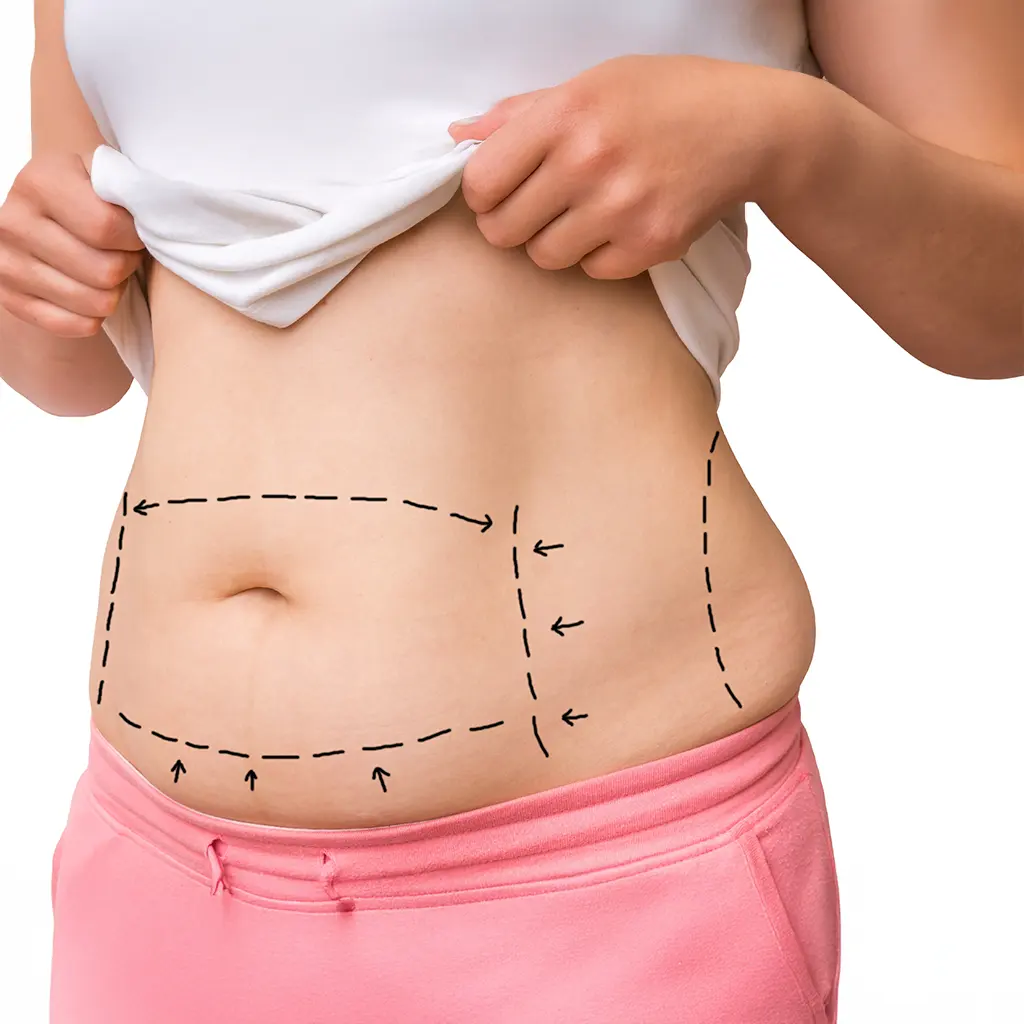
Combined aesthetic surgery refers to performing more than one surgical procedure under a single anesthesia session and within the same operation. These procedures may complement the same anatomical region or involve different areas of the body. For example, adding liposuction to a tummy tuck, addressing breast surgery together with abdominal surgery, or performing multiple facial procedures at the same time are common examples of this approach.
At the core of this planning is the concept of evaluating the body as a whole. Especially in body contouring procedures, treating only one area may sometimes create an appearance that is not harmonious with neighboring regions. For instance, correcting only the abdomen may leave the waist and back contour looking unbalanced. In such cases, addressing more than one area together can help create a more balanced contour.
Combined surgeries are not performed as ready-made packages. Which procedures can be safely performed together is determined individually after a detailed evaluation. This assessment is based not only on aesthetic goals but also on factors such as surgical duration, recovery process, and overall health status.
Is It Possible to Have More Than One Surgery at the Same Time?
Technically, it is possible to perform multiple aesthetic procedures at the same time. However, this is not suitable for every patient or every combination of procedures. One of the most important criteria in surgical planning is ensuring that the total operative time and surgical burden remain within limits that the body can tolerate.
For multiple procedures to be performed together, the following factors are evaluated:
● Total duration of surgery
● Scope of the planned procedures
● The patient’s overall health status
● Tolerance to anesthesia
● Postoperative care requirements
When these factors are appropriate, combined surgery can be planned safely. However, as surgical time increases, the physiological stress on the body also increases, and certain complication risks may rise. For this reason, the approach is not to “do everything possible at once,” but to select the most appropriate combination.
In some cases, dividing procedures into two separate sessions may be a more balanced option. Such decisions are made individually and are not based on a standard approach.
Advantages of Combined Surgeries
In suitable patients, combined aesthetic surgeries can offer certain advantages. These benefits are not limited to saving time; they also allow for more comprehensive aesthetic planning.
One of the main advantages is completing multiple procedures under a single anesthesia process. Every surgery requires preparation and recovery related to anesthesia. In combined planning, this process occurs once. This can be a practical option, especially for individuals with busy lifestyles.
Another important advantage is having a single recovery period. When procedures are planned separately, each one requires a separate healing phase. In combined surgeries, these recovery periods overlap, making the total recovery time more manageable.
In addition, evaluating body proportions together can contribute to a more balanced aesthetic result. For example, instead of correcting only the abdomen, shaping the waistline as well may create a more harmonious appearance. This type of holistic planning is particularly advantageous in body contouring surgeries.
Limits and Risks of Combined Surgeries
Alongside their advantages, combined surgeries also have important limits. The most significant limiting factor is operative time. As surgical duration increases, anesthesia time also increases, placing more stress on the body.
Possible issues associated with longer operations include:
● Increased blood loss
● Changes in fluid balance
● Increased risk of infection
● Slower recovery process
Additionally, operating on multiple areas at the same time can increase movement limitations during the postoperative period. For example, in a patient who undergoes both abdominal and breast surgery, daily activities must be managed more carefully.
For this reason, when planning combined surgery, the question is not only “what can be done?” but also “how much should be done?” Respecting surgical limits is essential for safety.
Which Procedures Can Be Performed Together?
In combined surgery planning, the priority is not simply treating multiple areas, but evaluating body contour as a whole. Therefore, the most commonly preferred combinations consist of procedures that complement each other anatomically and aesthetically. The aim is not only to correct one region, but also to balance its relationship with surrounding areas. For example, focusing only on the abdomen may create an appearance that is not harmonious with the waist or breast region. Therefore, planning often involves multiple areas.
Classic examples include combining a tummy tuck with liposuction. However, this is a basic combination, and broader planning is often preferred in many cases. Particularly in postpartum body changes, planning a tummy tuck together with a breast lift or breast augmentation may help create a more balanced upper–lower body proportion. This approach is part of the broader framework commonly referred to as a Mommy Makeover.
Similarly, when liposuction and BBL (buttock shaping with fat transfer) are planned together, the goal is not only fat reduction but also redistribution of body contours. Transferring fat taken from the waist area to the buttocks can create a more defined transition in contour. Such combinations show that body contouring is not only based on removal, but also on repositioning.
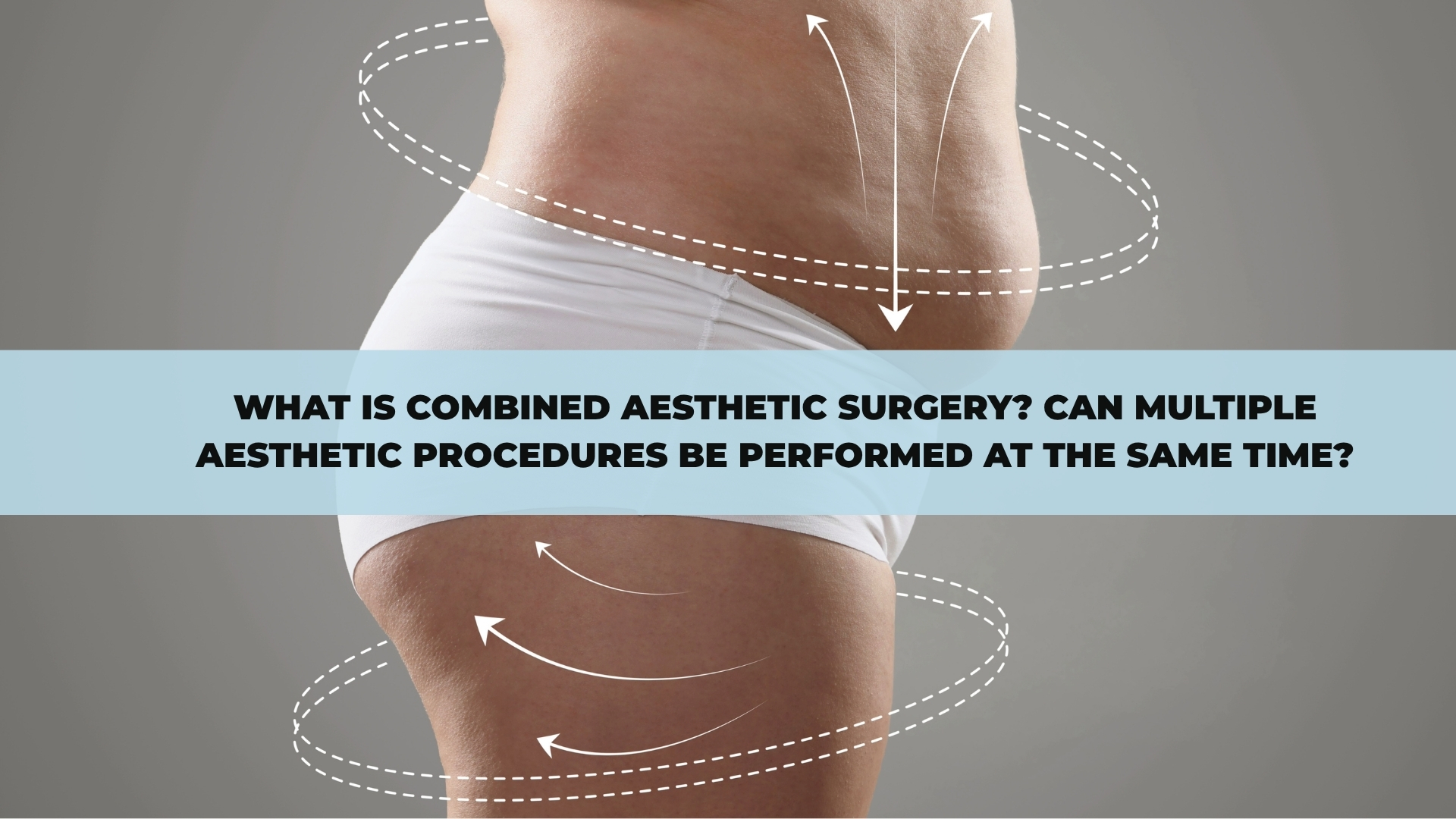
In more advanced planning, procedures such as tummy tuck, breast surgery, and BBL may be evaluated within the same surgical strategy. Especially in a 360-degree body contouring approach, not only the front abdominal wall but also the flanks, waist, and back line are included in the plan. In this context, combinations with breast surgery aim to establish a more comprehensive balance between the upper and lower body.
The main logic of combined surgery is to achieve overall contour harmony rather than isolated correction. Therefore, the question of which procedures can be performed together is not answered with a standard list, but according to the patient’s anatomy, needs, and surgical limits.
Who Is a Suitable Candidate?
Combined aesthetic surgeries are not suitable for every patient. Suitability is evaluated not only according to aesthetic needs but also based on general health status and surgical tolerance.
Suitable candidates generally have the following characteristics:
● Good overall health
● Controlled chronic conditions, if present
● Limited or discontinued smoking
● Ability to comply with the recovery process
On the other hand, factors such as advanced age, serious systemic diseases, high body mass index, or active smoking may limit combined surgery planning. In such cases, more limited procedures may be preferred, or surgeries may be divided into stages. The goal is to achieve aesthetic improvement while prioritizing safety.
How Is the Recovery Process Affected?
Recovery after combined surgery may be more extensive than recovery after a single procedure. Since multiple areas must heal at the same time, movement restrictions may be more noticeable in the early period.
During recovery:
● Rest is prioritized in the first days
● Sensitivity may be felt in more than one area
● Compression garments or support products may cover broader regions
However, the patient does not go through separate recovery periods for each procedure. This creates an advantage in terms of total recovery time. For example, while two separate surgeries may require a total recovery period of 8–10 weeks, after combined surgery this process may be completed within a single recovery phase.
For recovery to progress smoothly, adherence to postoperative recommendations, regular follow-ups, and a patient approach are important.
Combined Surgery or Staged Surgery?
There is no single correct approach when choosing between combined and staged surgery. The decision is made by evaluating the surgical scope and the patient’s general condition.
Combined surgery may be more appropriate when:
● The procedures are technically compatible
● The operative time is within an acceptable range
● The patient is generally suitable
Staged surgery may be preferred when:
● The total operative time would be too long
● Risk factors are present
● A more controlled recovery process is desired
Choosing correctly between these two approaches is decisive for both safety and the quality of the final result.
Individualized Planning for Combined Aesthetic Surgery
Combined surgeries can be an effective option when performed in suitable patients with proper planning. However, this approach should not be considered a standard solution for every patient. Planning the process through individual evaluation contributes to achieving a more balanced and predictable result.
5/5 - (582 votes)
Book a Consultation
It’s easy and free!