As aesthetic surgery has become more accessible globally in recent years, international patient mobility has also increased significantly. A substantial portion of this movement consists of aesthetic procedures planned within the scope of medical tourism. When different countries are compared, Türkiye has emerged as one of the leading destinations, particularly in plastic and aesthetic surgery. …
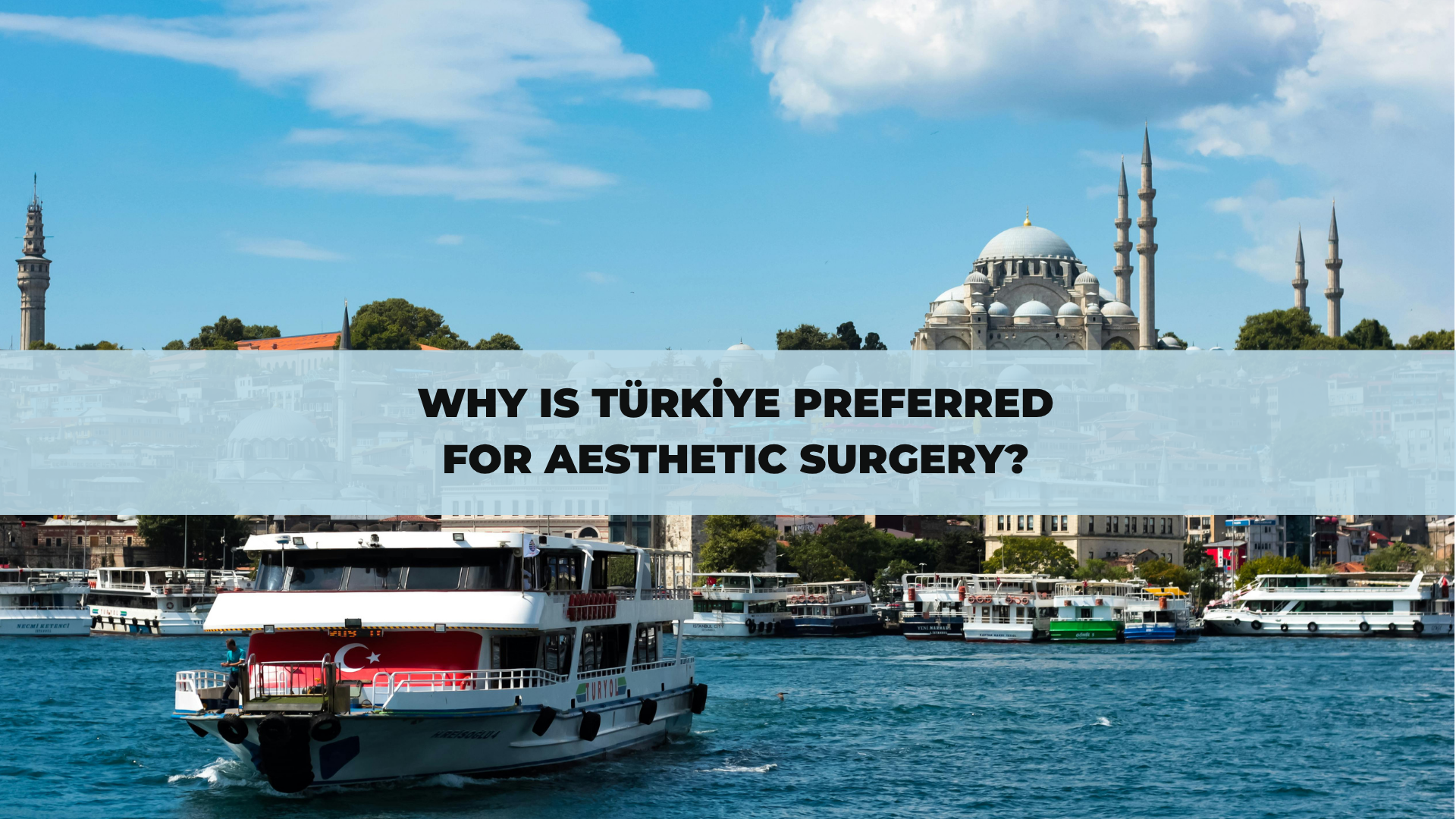
As aesthetic surgery has become more accessible globally in recent years, international patient mobility has also increased significantly. A substantial portion of this movement consists of aesthetic procedures planned within the scope of medical tourism. When different countries are compared, Türkiye has emerged as one of the leading destinations, particularly in plastic and aesthetic surgery.
The preference for a country in aesthetic surgery cannot be explained by a single factor. Elements such as surgeons’ education and experience, hospital infrastructure, regulatory frameworks, organizational capacity, and postoperative care must all be evaluated together. Türkiye’s prominence in this field stems from offering a balanced combination of these components.
International Standards in Surgical Training and Experience
In Türkiye, specialization in plastic, reconstructive, and aesthetic surgery involves a long and structured training process. During this period, surgeons gain experience across a wide range of cases, covering both aesthetic and reconstructive procedures. In major cities, working with international patient profiles further broadens this experience.
International board certifications (such as FACS and FEBOPRAS) and memberships in global professional organizations are important indicators that surgeons meet certain standards. These certifications represent not only academic credentials but also ongoing education, ethical compliance, and professional competency.
Within this framework, many plastic surgeons in Türkiye demonstrate both nationally and internationally recognized training and clinical experience.
Advanced Hospital Infrastructure and Technological Capability
The safety of aesthetic procedures depends not only on the surgeon’s expertise but also on the technical infrastructure of the hospital. In Türkiye, particularly in facilities serving international patients, hospitals are equipped with modern operating rooms, advanced anesthesia systems, and emergency response capabilities.
In these centers:
● Sterilization protocols are regularly audited
● Anesthesia teams operate in a multidisciplinary structure
● Intensive care and advanced support units are available
Additionally, the use of advanced technologies allows procedures to be performed with greater control. From liposuction systems to energy-based skin tightening devices, various technologies can be integrated into treatment plans when appropriate.
This infrastructure supports both surgical safety and a more stable recovery process.
Structured Medical Tourism Organization
One of the key reasons Türkiye stands out is the structured nature of its medical tourism services. For international patients, the process is not limited to the day of surgery; it includes transportation, accommodation, and follow-up care.
This organization typically includes:
● Airport transfers
● Hotel–hospital transportation
● Pre- and postoperative appointment scheduling
● Multilingual communication support
Such a system helps patients manage the process more effectively in a foreign country. It is particularly beneficial for individuals who are unfamiliar with international travel or medical procedures.
How Should the Price–Service Balance Be Evaluated?
Another factor contributing to Türkiye’s popularity is the balance between cost and service. Similar procedures may be offered at different price levels compared to some Western countries. However, this should not be evaluated based solely on lower costs.
Price differences may be influenced by:
● Variations in operational costs between countries
● The structure of the healthcare system
● Currency exchange dynamics
For this reason, cost should always be assessed alongside the scope of services provided.
Packages often include surgery, accommodation, transfers, and follow-up care, making the overall process more predictable. Therefore, the evaluation should focus on the total service package rather than just the surgical fee.
High Case Volume and Diversity
Türkiye is among the countries with a high volume of aesthetic surgery cases. This allows surgeons to work with diverse anatomical structures, expectations, and clinical needs.
A broad case spectrum:
● Enhances flexibility in surgical planning
● Enables the application of different techniques
● Improves experience in complication management
Working with international patients also facilitates a better understanding of cultural expectations, supporting clearer communication throughout the process.
Management of the Postoperative Period
In aesthetic surgery, the postoperative period is critical for maintaining long-term results. In Türkiye, this phase is typically managed within a structured system for medical tourism patients.
Common practices include:
● Planned stay in the city for a defined recovery period
● Organized follow-up examinations
● Provision of necessary medical support
After returning home, patients may continue follow-up through online communication. This ensures that recovery management is not limited to the country where the surgery was performed.
Such continuity contributes to a greater sense of security and control for the patient.
Geographic Location and Accessibility
Türkiye’s geographic position, bridging Europe, the Middle East, and Asia, provides a logistical advantage. Direct flights from many countries shorten travel time and simplify planning.
Short- and medium-haul travel options:
● Make postoperative travel more comfortable
● Facilitate planning with a companion
● Allow easier return visits for follow-up if needed
Ease of access is particularly important for patients planning short-term medical travel.
Regulatory Framework and Authorization
Medical tourism activities in Türkiye are carried out within a defined regulatory framework. Facilities authorized by the Ministry of Health must meet specific criteria.
These include:
● Physical infrastructure standards
● Staff qualifications
● Patient safety protocols
This regulatory system aims to maintain a consistent level of service quality.
Official registration and inspection mechanisms also contribute to transparency for international patients.
Cultural Proximity and Patient Experience
Medical tourism is not only a clinical process but also an overall experience. Türkiye offers a supportive environment through cultural diversity and a well-established hospitality approach.
Factors such as language support and cultural adaptation:
● Improve understanding of the process
● Reduce communication barriers
● Enhance the patient’s sense of safety
These elements are particularly valuable for patients traveling long distances.
What Should Be Considered When Making a Decision?
Türkiye’s position in aesthetic surgery is the result of multiple factors working together. Surgical expertise, hospital infrastructure, organizational capacity, and accessibility create a balanced offering.
However, the most suitable option is not the same for every patient. Surgeon selection, hospital conditions, and procedural details should be evaluated carefully. Decision-making should not be based solely on cost but should also consider safety and long-term outcomes.
A well-informed approach helps ensure that the process is more predictable and effectively managed.
5/5 - (732 votes)
Book a Consultation
It’s easy and free!