Most people planning aesthetic surgery initially focus on the plastic surgeon’s experience and the change they hope to achieve. However, the healthcare facility where the operation will be performed is just as important as the choice of surgeon. Operating theatre conditions, the anaesthesia team, patient monitoring and the ability to respond to unexpected situations are …
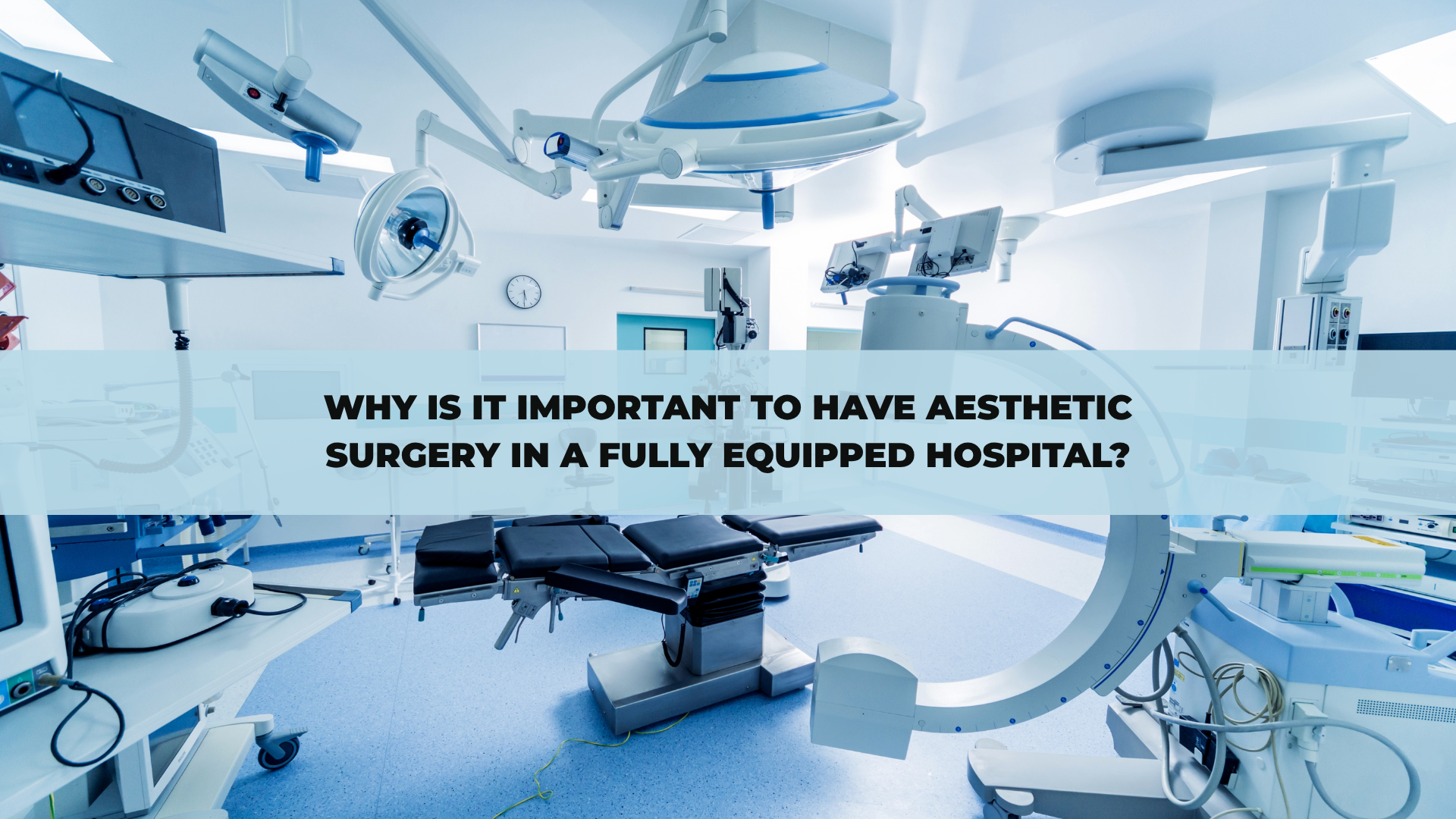
Most people planning aesthetic surgery initially focus on the plastic surgeon’s experience and the change they hope to achieve. However, the healthcare facility where the operation will be performed is just as important as the choice of surgeon. Operating theatre conditions, the anaesthesia team, patient monitoring and the ability to respond to unexpected situations are fundamental components of surgical safety.
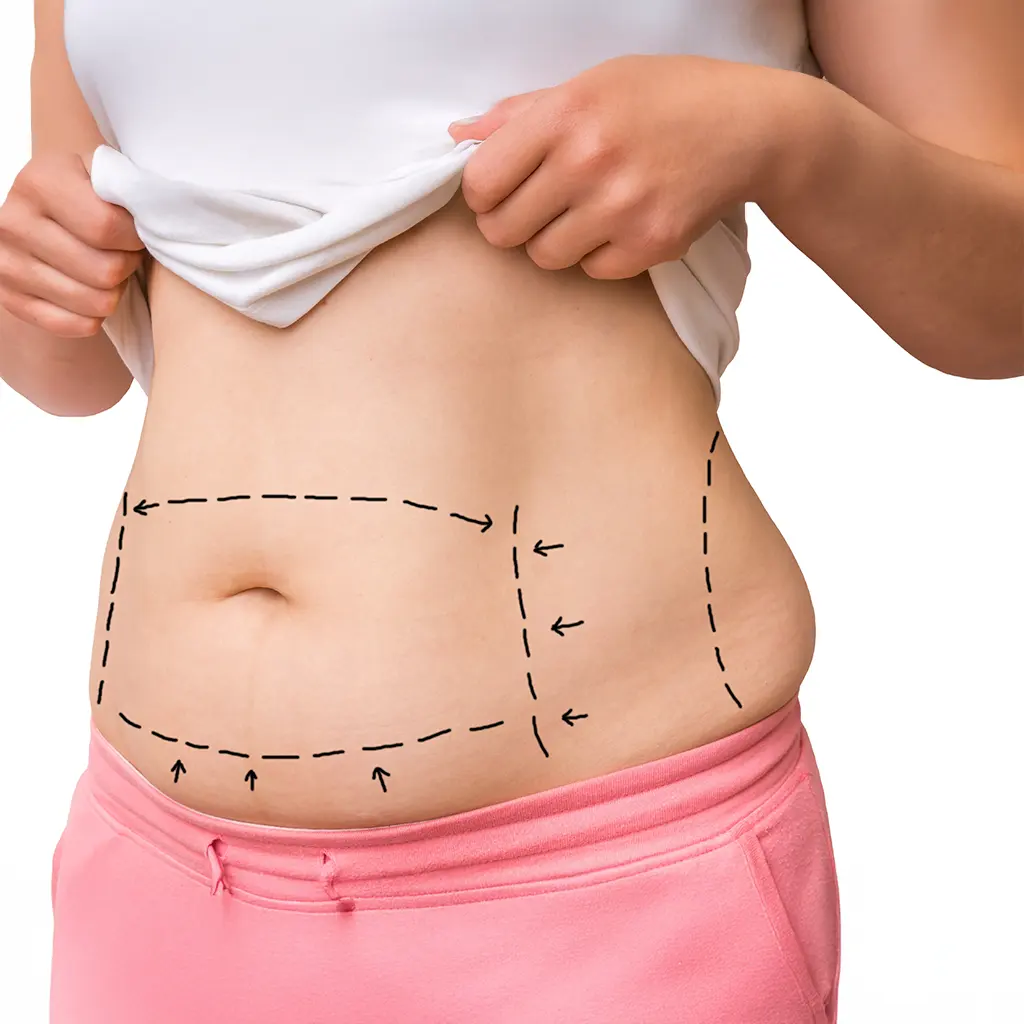
The fact that a procedure is performed for aesthetic purposes does not remove its medical nature or associated risks. Procedures such as tummy tuck, breast surgery, liposuction, BBL and combined body contouring are surgical interventions. They should therefore be performed in an authorised, fully equipped hospital with facilities appropriate for the scope of the operation.
Why Is Aesthetic Surgery Not an Ordinary Beauty Treatment?
Aesthetic operations may sometimes be perceived as procedures that only change appearance. However, anaesthesia is administered during surgery, tissues are treated surgically and the body begins a healing process. As with any surgical procedure, bleeding, infection, circulatory problems or unexpected anaesthesia-related events may occur.
The presence of these risks does not mean that a problem will necessarily develop. What matters is that possible situations are assessed in advance and that the resources required for intervention are readily available. A fully equipped hospital provides an environment where the operation can not only be performed but where the entire process can also be managed medically.
Why Is Preoperative Assessment Important?
Surgical safety does not begin when the patient enters the operating theatre. The patient’s medical history, medications, allergies, previous operations and current health conditions should be assessed before the procedure.
Required blood tests, the anaesthesia consultation and any additional examinations can be carried out systematically in a hospital environment. If a health issue is identified, the surgical plan may be changed, the procedure may be postponed or an opinion may be requested from another medical speciality.
Whether a patient is suitable for surgery does not depend solely on appearance or age. Their general health must be adequate to tolerate the planned procedure and anaesthesia. A fully equipped hospital helps ensure that these assessments are conducted within the same healthcare system.
What Is JCI Accreditation and Why Is It Important?
JCI, or Joint Commission International, accreditation indicates that a healthcare organisation has been independently assessed according to international standards relating to patient safety and quality of care. This evaluation covers not only operating theatre conditions but the entire healthcare process, from patient admission to discharge.
JCI assessments examine areas such as infection prevention, medication safety, management of anaesthesia and surgical processes, protection of patient information, emergency preparedness and communication between healthcare professionals. It is important not only that the hospital possesses the necessary equipment, but also that this equipment is used consistently according to established protocols.
Having surgery in a JCI-accredited hospital does not guarantee that no complication will occur. Accreditation also does not replace the individual experience or professional competence of the plastic surgeon. However, it is one of the important criteria showing that the healthcare organisation has been evaluated according to international standards for patient safety and quality of care.
When planning aesthetic surgery, the hospital’s JCI accreditation should be assessed together with the plastic surgeon’s competence, the experience of the anaesthesia team, the operating theatre infrastructure and the postoperative monitoring facilities.
What Is the Role of the Anaesthesia Team?
A significant proportion of aesthetic operations are performed under general anaesthesia. Anaesthesia involves more than simply putting the patient to sleep. Breathing, heart rhythm, blood pressure and the body’s general condition are monitored continuously throughout the operation.
This process should be managed by an anaesthesiologist and a trained healthcare team. Preoperative assessment of the patient, selection of the anaesthesia method and safe awakening after surgery are all parts of the same process.
If an unexpected change occurs, the anaesthesia team must be able to intervene rapidly. It is therefore important that appropriate medications, monitoring devices and support systems are immediately available.
Why Are Operating Theatre Conditions Important?
The environment in which surgery is performed must comply with hygiene and sterilisation standards. Sterile instruments, regular operating theatre inspections and compliance with infection-prevention protocols support surgical safety.
In a fully equipped hospital, the operating theatre is not merely a physical room. Sterilisation units, medical gas systems, patient-monitoring devices and emergency equipment function together as an integrated system.
Performing surgery in an unsuitable environment may make the procedure shorter or less expensive, but it may create significant deficiencies in patient safety. When deciding where surgery will be performed, patients should consider not only the appearance of the room but also the healthcare organisation’s authorisation and infrastructure.
What Happens If an Unexpected Situation Occurs?
Even when every operation is planned carefully, the possibility of an unexpected event during surgery cannot be eliminated completely. Situations such as bleeding, breathing problems, allergic reactions or sudden changes in blood pressure may require rapid intervention.
In a fully equipped hospital, medical devices, medications, laboratory services and different medical specialities can generally be accessed more quickly. When necessary, the patient may be transferred to a unit where closer monitoring is possible or additional tests may be performed.
The main advantage is not limited to responding after a complication occurs. Hospital infrastructure also supports the early recognition and management of potential problems before they become more serious.
How Is Postoperative Monitoring Performed?
After aesthetic surgery is completed, the patient does not return directly to daily life. They are first monitored in a recovery and observation area. Pain, nausea, blood pressure, breathing and the condition of the surgical area are evaluated by the healthcare team.
Some patients may be discharged on the same day, while others may need to remain in hospital for one or more nights. This decision is based on the scope of surgery, the anaesthesia and the patient’s general condition.
For patients requiring overnight observation, access to nursing care and a doctor when necessary is important. Regular monitoring during the early period, particularly after combined procedures, helps recovery begin safely.
Why Is Hospital Selection More Important in Combined Aesthetic Operations?
Performing several procedures during the same surgical session may increase both the duration of the operation and the demands placed on the body during recovery. When a tummy tuck, liposuction and breast surgery are planned together, patient safety requires a more comprehensive assessment.
The duration of surgery, blood loss, fluid balance, risk of blood clots and the postoperative mobility plan are managed together by the team. A fully equipped hospital allows the surgeon, anaesthesia team, nurses and other healthcare professionals to work in coordination.
Performing every procedure during a single operation may not be appropriate for every patient. Avoiding the limits of safety and dividing operations into separate stages when necessary are also parts of appropriate surgical planning.
What Is the Difference Between a Clinic and a Hospital?
Consulting rooms and clinics may be suitable for consultations, follow-up appointments and certain non-surgical treatments. However, not every clinic has the operating theatre, anaesthesia and emergency-response infrastructure required for major surgical procedures.
The fact that a facility appears sophisticated or is described as having an operating theatre does not mean that it meets the standards of a fully equipped hospital. Patients should learn which healthcare organisation will perform the procedure, whether it is authorised and which team members will be present during surgery.
Does a Fully Equipped Hospital Eliminate All Risks?
No hospital or surgeon can guarantee that an operation will be completely risk-free. Having surgery in a fully equipped hospital does not reduce the risks to zero. However, it provides the necessary environment for risks to be assessed in advance, for the patient to be monitored closely and for unexpected situations to be managed promptly.
Surgical safety is created through the combined work of a qualified plastic surgeon, an experienced anaesthesia team, appropriate patient selection, a suitable surgical plan and a fully equipped healthcare organisation.
When deciding to undergo aesthetic surgery, patients should not assess only the price, accommodation or the promised change. They should also obtain information about the hospital where the operation will take place, the anaesthesia team, postoperative monitoring and emergency facilities. A fully equipped hospital is one of the less visible but most important safety layers of the aesthetic surgery journey.
5/5 - (633 votes)
Book a Consultation
It’s easy and free!