It is very common for the two sides of the buttocks not to be completely identical. One side may appear fuller, higher or wider than the other. The depth of the hip dips, the curve of the waist and the transition between the buttocks and surrounding areas may also differ between the right and left …
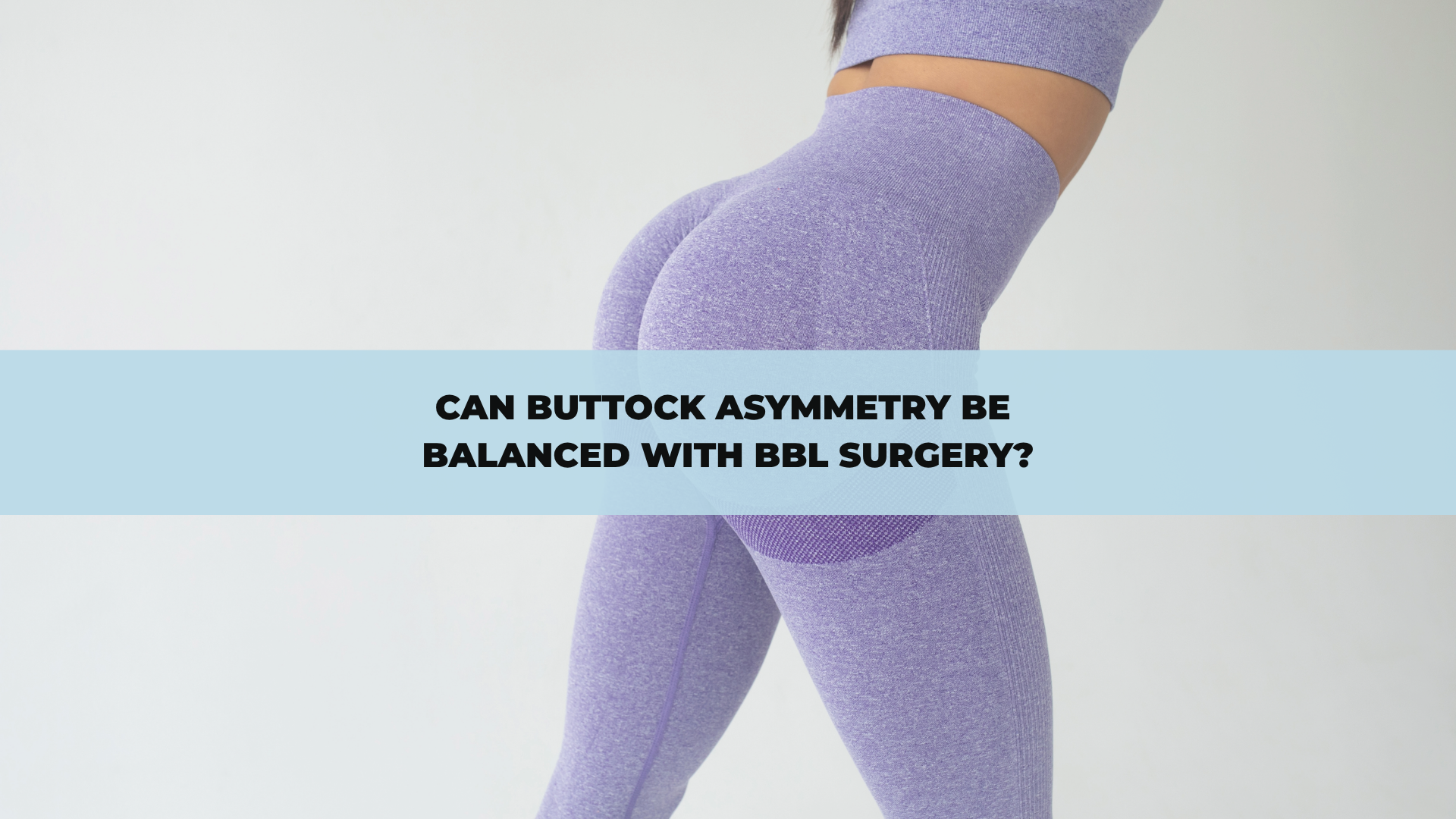
It is very common for the two sides of the buttocks not to be completely identical. One side may appear fuller, higher or wider than the other. The depth of the hip dips, the curve of the waist and the transition between the buttocks and surrounding areas may also differ between the right and left sides. In some individuals, these differences are noticeable only from certain angles, while in others they may affect how clothing fits.
BBL surgery may be used in suitable patients to reduce differences in volume and shape between the two sides. However, it should not be assumed that surgery will create a completely equal or perfect appearance. The degree of change that can be achieved depends on the cause of the asymmetry, the individual’s anatomy and the amount of fat available for transfer.
Why Does Buttock Asymmetry Occur?
The right and left sides of the body are naturally different from one another. Bone structure, muscle development, fat distribution and postural habits may affect the appearance of the buttocks. Placing more weight on one leg or consistently standing towards the same side may even contribute to differences between the two sides over time.
Differences in pelvic structure, spinal alignment and minor variations in leg length may also affect the level of the buttocks. In such cases, the asymmetry is not related solely to fat tissue. BBL may reduce volume differences in the soft tissues, but it cannot change the skeletal structure or correct postural problems.
Weight fluctuations, ageing and previous operations may also cause asymmetry. In individuals who have previously undergone liposuction or fat transfer, one side may retain more fat, or irregularities may develop in the surrounding areas.
How Can BBL Reduce Buttock Asymmetry?
During BBL surgery, fat removed from suitable areas of the body is used to reshape the buttocks. In individuals with asymmetry, it may not be necessary to inject the same amount of fat into both sides. The needs of the side with less volume and the fuller side are assessed separately.
The aim is not simply to add more fat to the side that appears smaller. The appearance of the waist, back, outer thighs and hip dips may also affect the balance between the two sides. Adjusting fat distribution in the surrounding areas may help the buttocks appear more balanced.
One side appearing larger does not always mean that it contains more fat. The structure of the hip bone, muscle development or the position of the pelvis may also create this appearance. For this reason, the surgical plan should not be prepared based on photographs alone.
Can Every Asymmetry Be Corrected with BBL?
BBL may be an effective option for volume deficiencies related to fat tissue. If one buttock is less full than the other or if a hip dip is more pronounced on one side, fat transfer may help create a more balanced appearance.
However, if the asymmetry is mainly caused by bone structure, muscular differences or spinal curvature, it may not be corrected completely. In such cases, fat transfer may soften the appearance but cannot eliminate the underlying cause.
Skin quality is also important. If one side has greater laxity or sagging, adding volume alone may not be sufficient. Different procedures may need to be considered, particularly in cases of significant excess skin after major weight loss.
How Is the Preoperative Assessment Performed?
Buttock asymmetry should be assessed from different angles while the individual is standing. The waistline, pelvic level, hip dips and transitions into the legs are examined together. The person’s posture and which leg carries more body weight are also considered.
Previous operations, weight changes and how long the asymmetry has been present are reviewed. A difference that has existed since childhood is not assessed in the same way as an asymmetry that developed later.
Before surgery, the patient should be informed clearly about which differences may be reduced and which may remain. Documenting existing asymmetries with photographs is also important for postoperative assessment.
Can Different Amounts of Fat Be Injected into Each Side?
If there is a volume difference between the two sides, different amounts of fat may be used. However, the final appearance is not determined solely by the amount injected. The distribution of the transferred fat and how much of it the body retains are also important.
Injecting an excessive amount of fat into one area may affect safety and increase pressure on the tissues. Safe limits should not be exceeded solely to achieve complete equality. Surgical safety takes priority over aesthetic symmetry.
An insufficient amount of donor fat may also limit the degree of correction. In very slim individuals, there may not be enough available fat to reduce the difference between the two sides to the desired extent.
Can Asymmetry Be Assessed Immediately After BBL?
During the first few weeks after surgery, it may be normal for the two sides to appear different. Swelling may not develop equally in every area or decrease at the same rate. One side may appear firmer, higher or larger.
These early differences should not be considered permanent asymmetry. It may take several months for swelling to subside and the tissues to settle. Comparing the two sides too early after surgery may therefore cause unnecessary concern.
Some of the transferred fat is expected to be reabsorbed by the body. This loss may not occur at exactly the same rate on both sides. A small volume difference may remain after healing is complete.
Could a Second Procedure Be Required?
If significant asymmetry remains after recovery is complete, a revision procedure may be considered. During a second intervention, fat may be added to the smaller side or adjustments may be made to the surrounding areas.
The decision to perform a revision should not be made too early. An assessment made before the swelling has fully resolved and before it is clear how much fat has been retained may be misleading. Sufficient donor fat must also be available for a second procedure.
What Should Realistic Expectations Be?
Complete symmetry does not exist in the human body. The aim of BBL surgery is not to make the right and left sides mathematically identical, but to reduce the difference and create a more balanced appearance.
If buttock asymmetry is related to fat distribution, it may be balanced significantly with BBL. However, bone structure, muscles, posture and skin quality determine the limits of the possible change. It is important to assess the cause of the asymmetry accurately before surgery and for the patient to aim for a more balanced appearance rather than complete equality.
5/5 - (709 votes)
Book a Consultation
It’s easy and free!