One of the first questions asked by people considering breast augmentation is how many cc the implant should be. However, breast implant selection cannot be based on volume alone. Two implants with the same volume may have different widths and projections. In addition, the same implant may look completely different in two individuals with different …
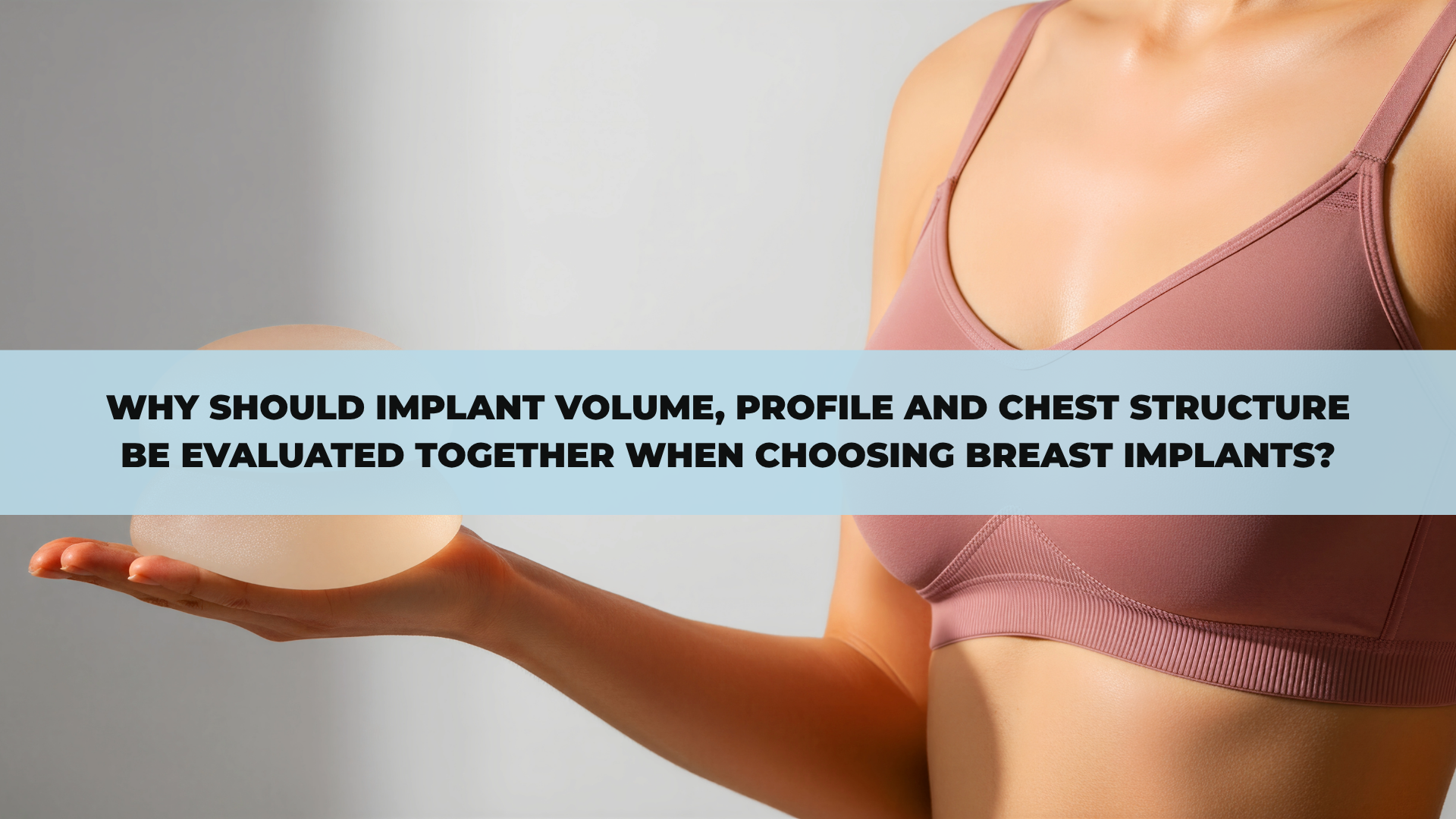
One of the first questions asked by people considering breast augmentation is how many cc the implant should be. However, breast implant selection cannot be based on volume alone. Two implants with the same volume may have different widths and projections. In addition, the same implant may look completely different in two individuals with different body structures.
The volume, profile and base width of a breast implant should be evaluated together with the individual’s chest structure, existing breast tissue and body proportions. The aim is not simply to enlarge the breasts, but to create a breast shape that is compatible with the person’s anatomy.
What Does Volume Mean in Breast Implants?
The volume of breast implants is generally expressed in cc. This value indicates the amount of filling material inside the implant. As the volume increases, the implant generally becomes larger, but volume alone does not determine how the breasts will look after surgery.
Of two implants with the same volume, one may be wider and have less projection, while the other may have a narrower base and more pronounced projection. For this reason, it is not appropriate to use the number of cc selected for another patient as a reference.
The individual’s height, weight, shoulder width and body structure affect how the volume is perceived. An implant that appears pronounced on a small, narrow torso may look more moderate on someone with a wider chest.
Can Implant Volume Be Matched to a Bra Size?
Before breast augmentation surgery, patients may want to achieve a particular bra size. However, there is no exact correspondence between implant volume and bra size. Bra measurements may vary according to the brand, style and method of measurement.
The same implant volume may not create the same bra size in different patients. Existing breast tissue, chest circumference and the initial breast shape all affect the final size.
For this reason, rather than focusing only on a target bra size during planning, the desired appearance should be discussed. Whether the patient wants a more natural appearance, greater fullness or more pronounced cleavage should be evaluated.
What Is a Breast Implant Profile?
Profile refers to how far the implant projects forward from the chest. Low-profile implants may have a wider base and less forward projection. High-profile implants generally create more pronounced projection from a narrower base.
A high profile does not always mean a larger breast. Implants with a similar volume may distribute that volume differently according to their profile. Therefore, profile selection should not be considered separately from volume.
Whether the patient wants more pronounced upper breast fullness or prefers a softer transition that blends with the torso may be considered when selecting the profile. However, personal preferences should be evaluated within anatomical limits.
How Does Chest Structure Affect Implant Selection?
The width and shape of the chest, as well as differences between the two sides, affect how a breast implant will look. Some individuals may have a narrow and relatively flat chest, while others may have a wider or more prominent chest structure.
The shape of the ribs may cause the breasts to point slightly outwards or inwards. The shape of the breastbone may also affect the distance between the breasts. Because the implant is placed over these anatomical structures, the existing chest anatomy continues to influence the postoperative appearance.
If the chest has natural asymmetry, placing identical implants on both sides may not create a completely symmetrical appearance. In some individuals, different implant volumes or alternative planning options may need to be considered.
Why Is Implant Base Width Important?
The implant base should be compatible with the natural width of the breast. An implant that is too narrow may not spread sufficiently across the chest. An implant that is too wide may create fullness extending towards the armpit or an appearance that is disproportionate to the torso.
Base width may also affect the distance between the breasts, but natural anatomical boundaries cannot be changed completely through implant selection. In someone whose breasts are naturally positioned far apart, using a large or wide implant alone may not always create pronounced cleavage.
The appropriate width is determined by considering the boundaries of the breast on the chest and the existing tissues. The volume and profile are then selected in accordance with this width.
Why Is Existing Breast Tissue Evaluated?
The amount of existing breast tissue affects how the implant will look and feel from the outside. In someone with sufficient tissue coverage, the transitions around the implant may be less noticeable. In individuals with very thin tissues, there may be a greater possibility of the implant edges becoming visible or palpable.
Skin elasticity and breast sagging are also important. Using a large implant alone in someone with significant sagging may not lift the breast. On the contrary, it may place additional strain on the tissues and contribute to increased sagging over time.
For this reason, whether breast augmentation should be combined with a breast lift should be assessed during the examination. An implant should not be used as a substitute for a necessary lifting procedure.
Does a Larger Implant Always Create More Pronounced Cleavage?
The appearance of cleavage does not depend solely on implant size. The natural position of the breasts, chest width, the amount of tissue over the breastbone and the distance between the breasts are also important.
Choosing a larger implant does not necessarily bring the breasts closer together. Implants that are excessively large may place pressure on the tissues, increase the likelihood of the implant shifting towards the sides and create an appearance that is disproportionate to the body.
Expectations regarding cleavage should be discussed clearly before surgery, but the limits permitted by the individual’s natural anatomy should be considered.
Does Lifestyle Affect Implant Selection?
The patient’s daily life, exercise habits and clothing preferences may be considered when selecting an implant. The expectations of someone who exercises intensively, leads an active lifestyle or prefers a more understated appearance may differ from those of someone who wants more pronounced volume.
Large implants may affect clothing choices, exercise or everyday comfort in some individuals. Therefore, the decision should be based not only on how the breasts will look after surgery but also on how the person will live with that volume.
How Is the Appropriate Breast Implant Selected?
Implant selection is not a choice made by the patient alone from a catalogue. The plastic surgeon evaluates the chest, breast base, existing tissues, skin quality and asymmetries. The patient explains the desired appearance, daily lifestyle and the size they consider acceptable.
Trial implants or three-dimensional images used before surgery may provide an idea of the potential appearance, but they cannot guarantee the exact postoperative result. The final appearance becomes clearer as the tissues heal and the implants settle into position over time.
Implant volume, profile and chest structure cannot be considered separately. Appropriate selection does not mean using the largest implant, but creating a balanced plan between the individual’s anatomy, expectations and long-term tissue health.
5/5 - (718 votes)
Book a Consultation
It’s easy and free!