Many people who decide to undergo aesthetic surgery may expect changes not only in their appearance but also in different areas of their lives. Choosing clothes more comfortably, feeling better when looking in the mirror, feeling more confident in social settings or reducing concerns about an area that has caused discomfort for a long time …

Many people who decide to undergo aesthetic surgery may expect changes not only in their appearance but also in different areas of their lives. Choosing clothes more comfortably, feeling better when looking in the mirror, feeling more confident in social settings or reducing concerns about an area that has caused discomfort for a long time may be among these expectations.
Aesthetic surgery may change a person’s appearance and, in some cases, improve physical comfort. However, it cannot resolve problems at work, conflicts in relationships or every dissatisfaction a person has with themselves on its own. The effect of surgery on life varies according to the individual’s expectations, the extent of the procedure and the meaning they attach to the change.
What Kind of Change Can Be Achieved in Physical Appearance?
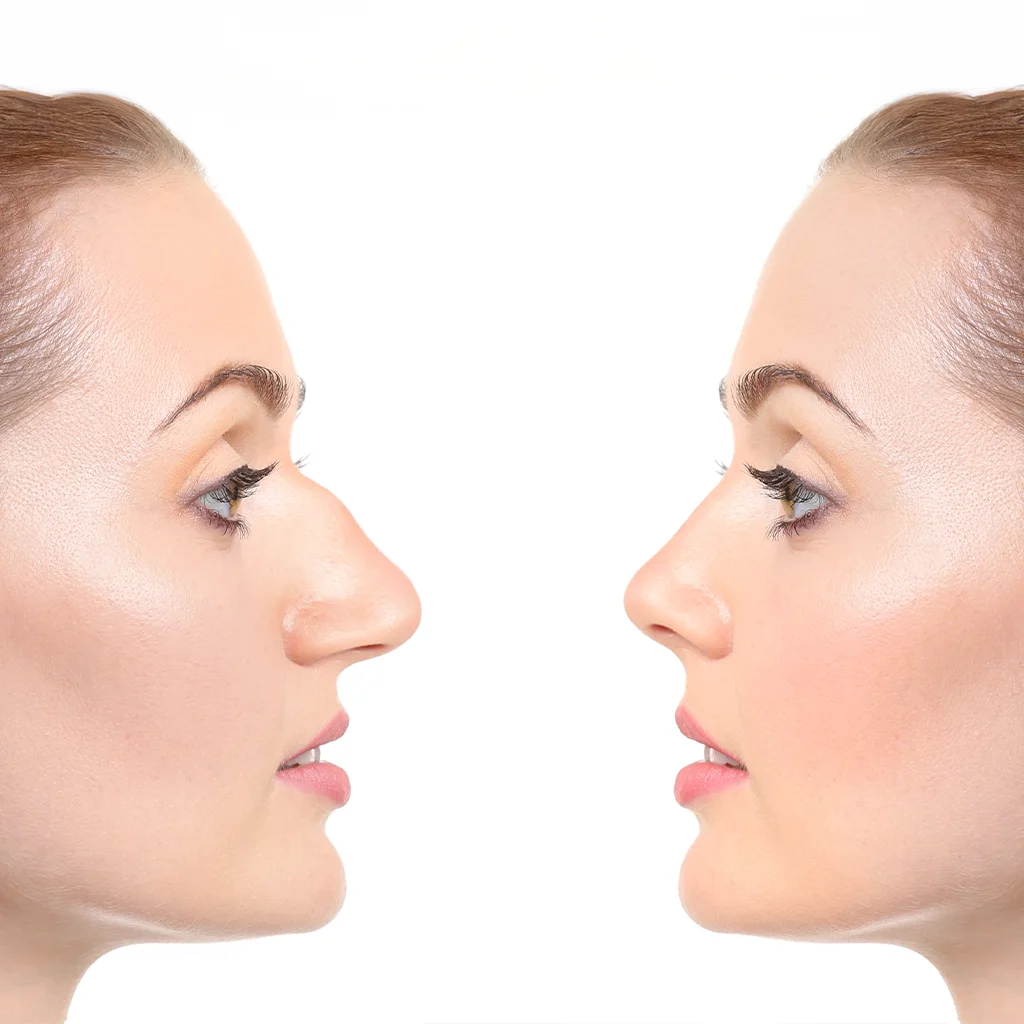
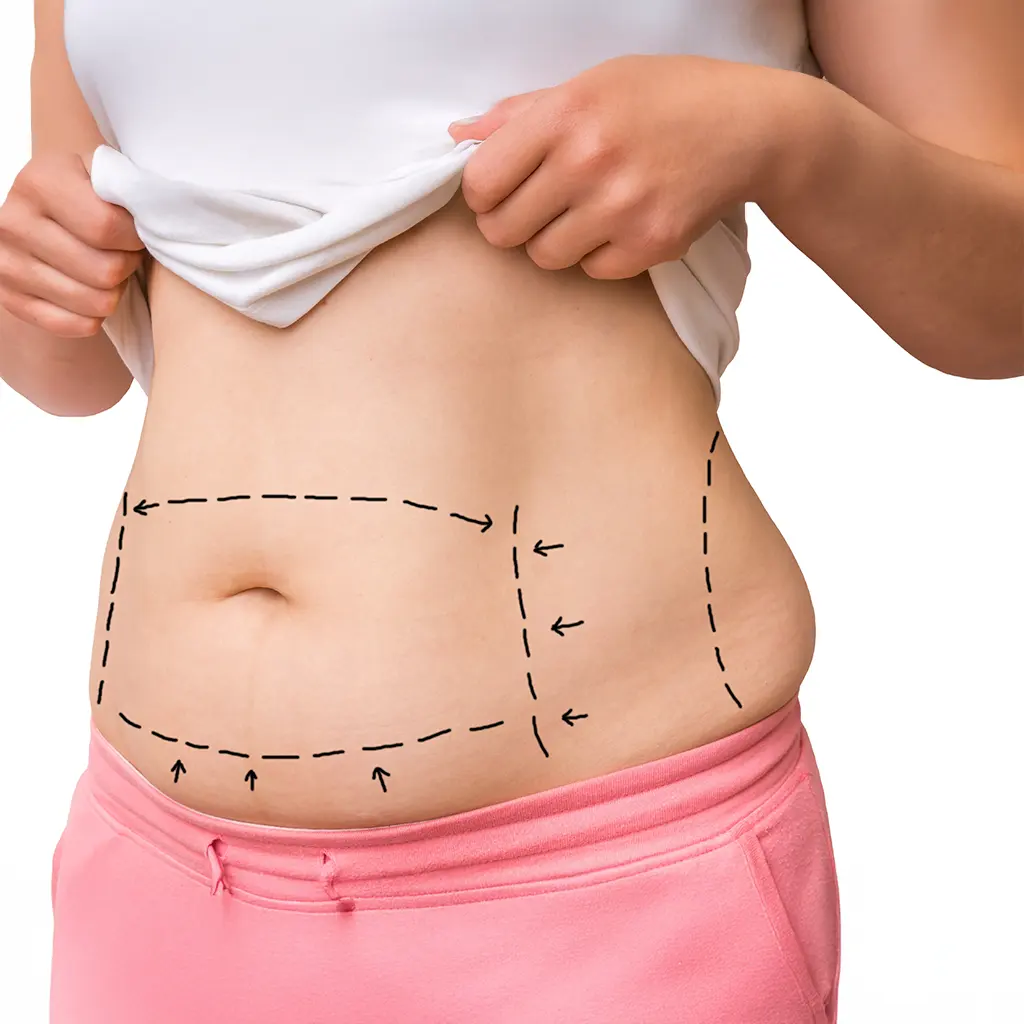
Aesthetic surgery aims to change a specific area of the body or face. A tummy tuck may reduce excess skin, breast reduction may ease the physical burden caused by large breasts, rhinoplasty may alter facial proportions and eyelid surgery may reduce a tired appearance.
However, surgery does not make a person’s entire appearance perfect. Natural asymmetries exist in the human body, and healing progresses differently in every individual. Surgery may change a specific area, but it cannot completely eliminate a person’s genetic characteristics, skeletal structure or the ageing process.
For this reason, it is important to define the expected change clearly. Rather than having a general expectation such as “I want to look more attractive,” understanding which area causes concern and why allows for more realistic planning.
Can Daily Life Become More Comfortable?
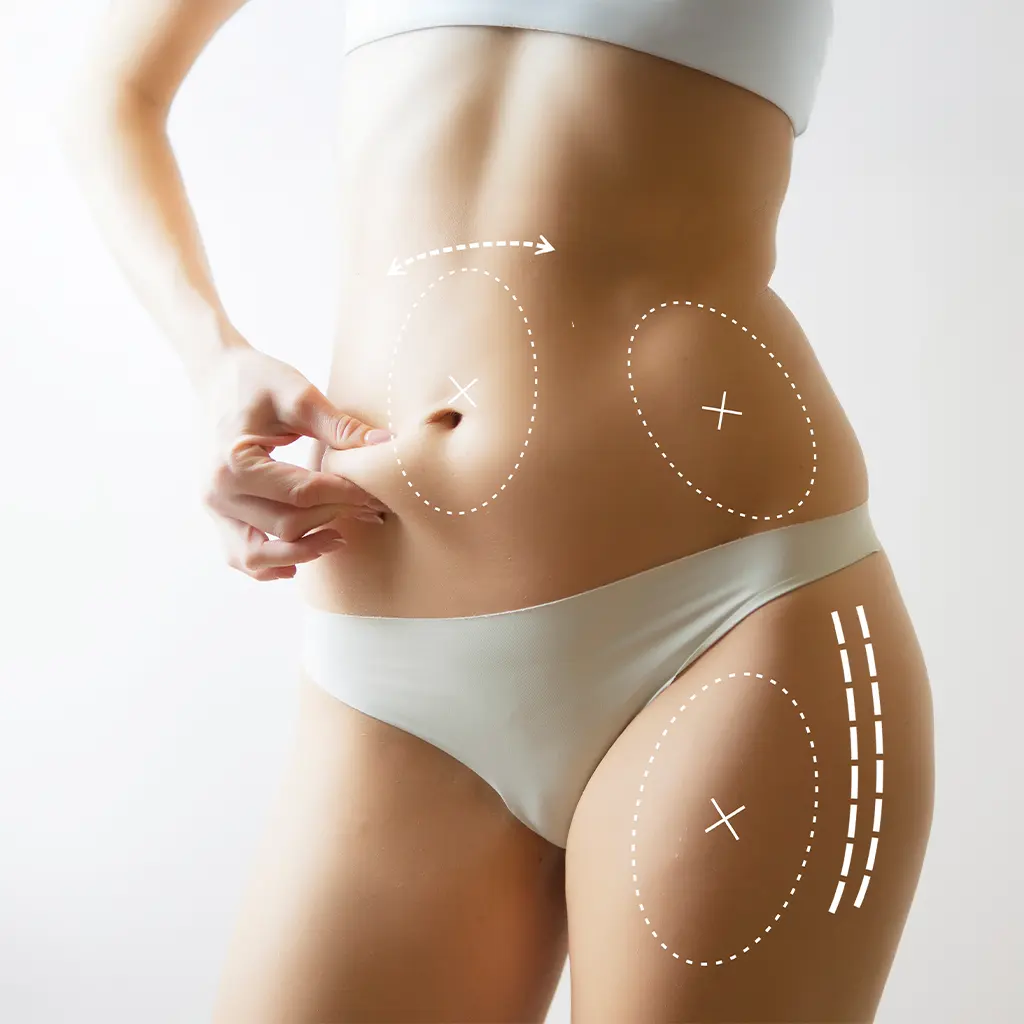
Some aesthetic procedures may affect daily life as well as appearance. Reducing large breasts may decrease the physical burden on the neck and back. Removing excess skin remaining after major weight loss may make movement, exercise and clothing choices easier.
Reducing folds of skin in the abdominal area or friction between the thighs may make personal care more comfortable. However, it should not be assumed that every physical complaint can be resolved solely through aesthetic surgery. Pain or restricted movement may be related to other health conditions, so the necessary medical assessments should be performed.
Daily life does not become easier immediately after surgery. During the first few weeks, restricted movement, swelling, tenderness and the need for assistance may occur. The temporary recovery period should also be considered when assessing long-term comfort.
Does Aesthetic Surgery Increase Self-Confidence?
Changing a feature that has caused discomfort for a long time may help a person feel more at ease. Someone who previously avoided having photographs taken may behave more comfortably, or limitations experienced when choosing clothes may decrease. These changes may have a positive effect on self-confidence.
However, self-confidence is not based solely on physical appearance. A person’s relationship with themselves, past experiences, social environment and psychological state also affect self-confidence. Even if appearance changes after surgery, the way a person criticises themselves may continue.
It is not realistic to expect aesthetic surgery to eliminate every insecurity. Surgery may change a specific physical feature, but it should not become the only source of a person’s sense of self-worth.
Do Social Life and Relationships Change?
A person may feel more comfortable in social settings after aesthetic surgery. Reduced concern about an area they previously tried to conceal may be reflected in their behaviour and communication. People around them may also notice this change.
However, surgery is not a reliable way to repair a relationship or gain the attention of others. Decisions made because of a partner’s wishes, comments from others or appearance standards presented on social media may not provide long-term satisfaction.
The decision to undergo surgery should primarily be based on the individual’s own wishes. How others will respond to the change cannot be controlled. Some people may respond positively, while others may consider the change unnecessary. It is important not to base the decision solely on external approval.
Does It Take Time to Adjust to a New Appearance?
After aesthetic surgery, a person may not immediately see the appearance they expected in the mirror. Swelling, bruising, scars and temporary asymmetries may cause concern during the early period. It is normal for the appearance to change frequently while healing continues.
It may also take time for someone who has been accustomed to the same body for many years to adapt to new body contours. Even when the expected change has been achieved, the person may feel different or unfamiliar with their appearance during the first few days. This does not always mean that they are dissatisfied with the surgery.
Impatience, regret or emotional fluctuations may occur during recovery. It is important not to make definitive judgements during the early period, when the appearance has not yet settled, and to continue attending follow-up appointments.
Why Are Expectations So Important?
Satisfaction with surgery does not depend only on the extent of the physical change. The person’s initial expectations also significantly influence the experience. An unrealistic goal may cause even a physically successful change to feel insufficient.
Expecting to look exactly like a celebrity or another person seen on social media is not realistic. The same operation does not create the same appearance in people with different anatomical characteristics. The aim is not to copy another person’s body, but to plan an achievable change within the individual’s existing structure.
If a person continuously searches for new flaws, becomes intensely preoccupied with minor details or believes that surgery will solve every problem in their life, the decision-making process should be reassessed. When necessary, psychological support may help the individual understand their expectations in a healthier way.
What Can Aesthetic Surgery Not Change?
Aesthetic surgery cannot stop ageing, prevent future weight changes or keep the body unchanged throughout life. Pregnancy, weight fluctuations, hormonal changes and the effects of time may cause new changes in the operated area.
Surgery cannot guarantee career success, improved relationships or happiness in life. The change it may provide is limited to the treated area and the effect of that change on the person’s daily life.
Aesthetic surgery should not be viewed as a new beginning that changes every aspect of life, but as a personal decision addressing a specific physical concern. When planned with realistic expectations, it may have a meaningful effect on appearance, physical comfort and body perception. However, lasting satisfaction depends not only on the change seen in the mirror but also on the relationship a person has with themselves.
5/5 - (711 votes)
Book a Consultation
It’s easy and free!