Hair transplantation is a surgical procedure in which hair follicles are taken from a donor area with dense hair growth and transferred to areas affected by hair loss. For international patients planning hair transplantation in Turkey, the process involves more than the procedure day itself. The cause of hair loss, donor capacity, hairline design, selection …
Hair transplantation is a surgical procedure in which hair follicles are taken from a donor area with dense hair growth and transferred to areas affected by hair loss. For international patients planning hair transplantation in Turkey, the process involves more than the procedure day itself. The cause of hair loss, donor capacity, hairline design, selection of the appropriate technique, and follow-up after returning home should all be considered together.
The degree of change that can be achieved with hair transplantation varies according to the individual’s age, extent of hair loss, hair shaft thickness, donor-area density, and the likelihood of future hair loss. For this reason, the procedure should be planned according to the individual’s own anatomy and existing hair characteristics rather than attempting to copy another patient’s hairline.
Who May Be Suitable for Hair Transplantation?
Hair transplantation may be considered in individuals who have sufficient healthy hair follicles in the donor area. The back of the scalp and the areas above the ears are commonly used as donor regions. However, hair density, hair quality, and the number of follicles that can safely be harvested from these areas vary from patient to patient.
Male pattern hair loss, certain types of hair thinning in women, hair loss associated with scars, and some localised areas of hair loss may be evaluated for hair transplantation. However, not every type of hair loss automatically requires transplantation.
Active scalp conditions, uncontrolled health problems, insufficient donor capacity, or unrealistic expectations may lead to the procedure being postponed or considered unsuitable. The possibility of continued future hair loss should also be included in long-term planning.
What Is Assessed During the Initial Evaluation?
During the initial assessment, the age at which hair loss began, the rate of progression, family history, medications, previous medical conditions, and earlier treatments are reviewed. The condition of the scalp, density of the donor area, and characteristics of the hair shafts are also examined.
For patients travelling from abroad, a preliminary assessment may be performed using photographs and videos. However, photographs do not always accurately show the true density of the scalp, the distribution of hair follicles, or the safe harvesting capacity of the donor area. The final plan should therefore be confirmed through a physical assessment after arrival in Turkey.
How Is the Hairline Planned?
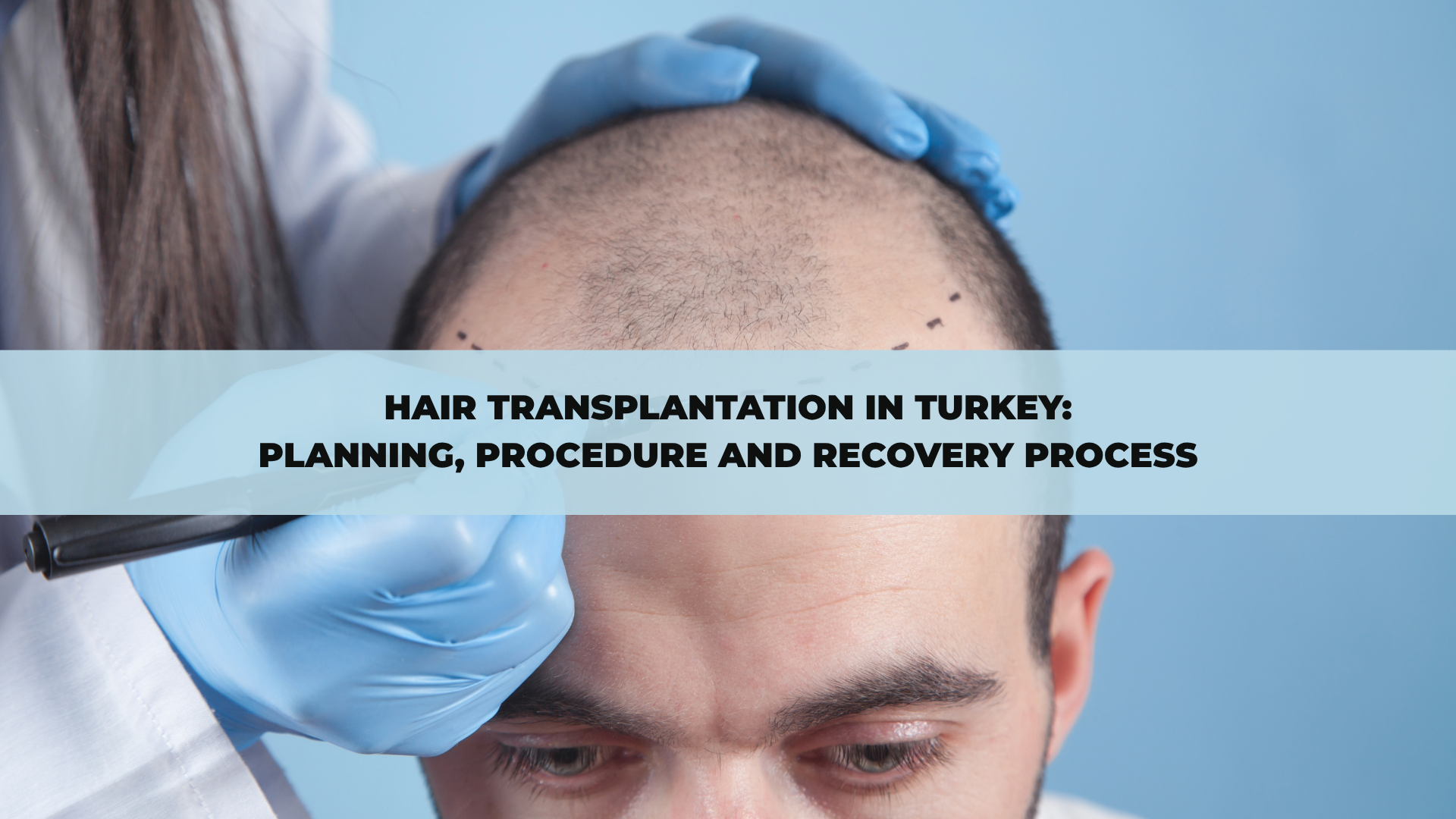
Hairline design is one of the most important stages affecting the overall appearance of a hair transplant. Planning takes into account not only the degree of frontal hair loss but also facial length, forehead width, eyebrow position, the direction of existing hair growth, and possible future hair loss.
Positioning the hairline too low may use donor capacity prematurely and create an unnatural appearance as the person ages. Therefore, the aim is not to create the lowest possible hairline, but to design one that is compatible with facial proportions and sustainable over the long term.
A natural hairline is not completely straight. Using finer single-hair grafts along the front, creating subtle irregular transitions, and preserving natural hair growth directions may all influence the final appearance.
What Is the Difference Between FUE and DHI?
FUE refers to a follicle-harvesting method in which hair follicles are extracted individually from the donor area. The harvested grafts are then placed into channels created in areas affected by hair loss.
In the technique commonly referred to as DHI, specialised implanter pens are used when placing the grafts into the recipient area. Rather than being an entirely different hair transplant operation, DHI primarily describes the method used to implant the follicles into the recipient area.
No single method is superior for every patient. The size of the area affected by hair loss, preservation of existing hair, the number of grafts to be transplanted, hair growth directions, and the surgical team’s planning should all be considered when selecting the technique.
What Happens on the Day of the Procedure?
Before the procedure, the hairline and the areas to be transplanted are checked again. The donor and recipient areas are prepared. Hair transplantation is usually performed under local anaesthesia, allowing the patient to remain awake and rest during the procedure.
Hair follicles are carefully harvested from the donor area, preserved under suitable conditions, and classified according to their characteristics. They are then placed into the recipient area according to the planned direction, angle, and density.
The duration of the procedure varies depending on the number of grafts to be transplanted and the technique used. Harvesting more grafts does not always result in greater density or a more natural appearance. Maintaining the safe limits of the donor area is important to avoid exhausting follicles that may be needed in the future.
What Should Be Considered During the First Few Days?
After the procedure, redness, tenderness, crusting, and mild swelling may occur on the scalp. The recipient area should be protected from friction and trauma. Instructions regarding sleeping position, medications, and scalp cleansing should be followed during the first nights.
The first hair wash may be performed at the clinic, or the patient may be shown in detail how to wash the scalp at home. Scratching with the fingernails, using high-pressure water, and forcibly removing crusts should be avoided.
Crusts gradually disappear with controlled washing over time. The products used and the frequency of washing should be arranged according to the recommendations of the healthcare team.
Shock Loss and New Hair Growth
Some of the transplanted hair shafts may fall out during the weeks following the procedure. This phase, known as shock loss, does not mean that the hair follicles have been lost. The follicles remain beneath the skin and prepare to enter a new growth cycle.
New hair growth occurs gradually. The first hairs may appear thin, weak, or grow in slightly different directions. Over time, the hair shafts may thicken and the transplanted area may begin to appear fuller. The final appearance of a hair transplant should not be assessed during the early weeks, but as the hair completes its growth cycle.
How Should the Stay in Turkey and Return Home Be Planned?
The length of stay in Turkey should be planned to include the consultation, procedure, and initial follow-up appointments. Patients should not return home before learning how to protect the scalp, how to wash the hair, and which symptoms require contacting the healthcare team.
After returning home, follow-up may continue through photographs or video consultations. However, increasing pain, pronounced redness, foul-smelling discharge, or unusual swelling should not be managed solely through remote assessment, and medical attention should be sought.
When planning hair transplantation in Turkey, the decision should not be based solely on price or the number of grafts to be transplanted. Accurate assessment of hair loss, preservation of the donor area, natural hairline planning, and appropriate postoperative follow-up are fundamental stages that influence the long-term appearance.
5/5 - (807 votes)
Book a Consultation
It’s easy and free!