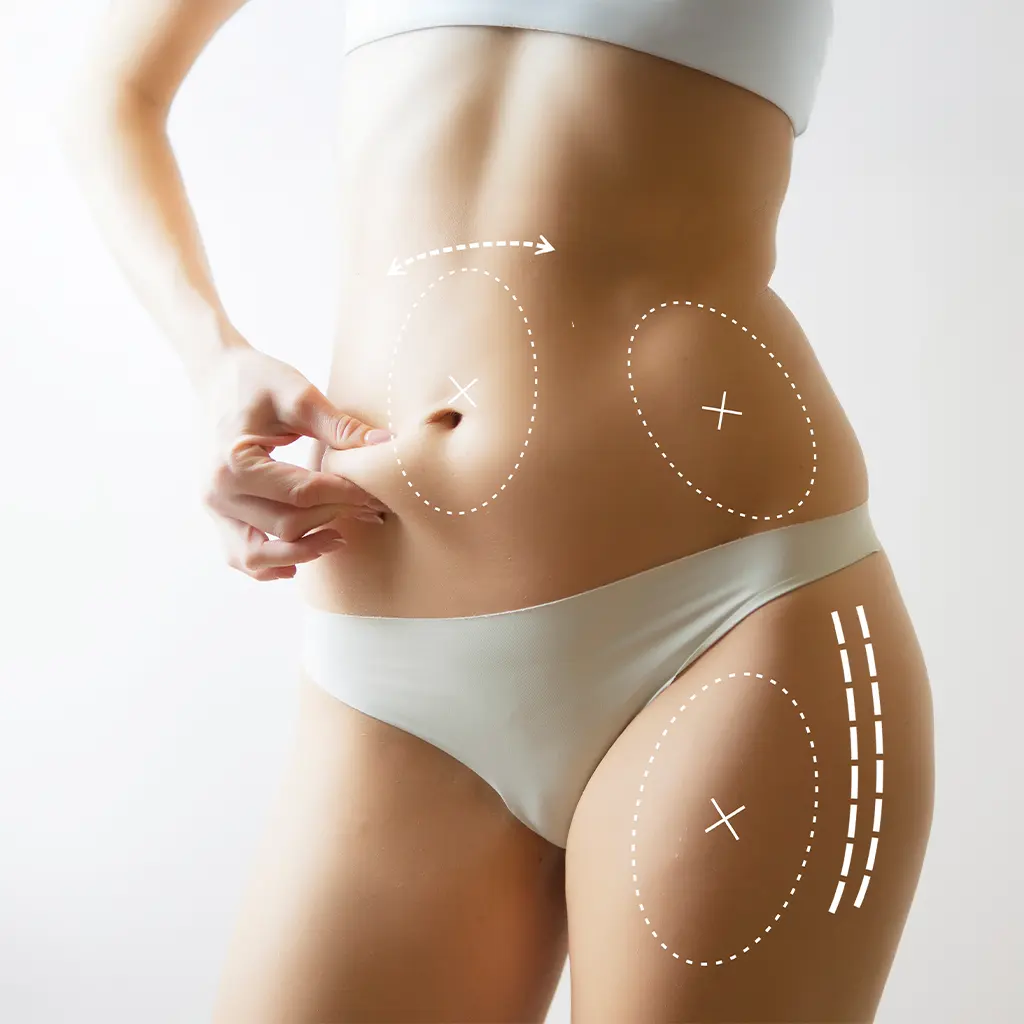
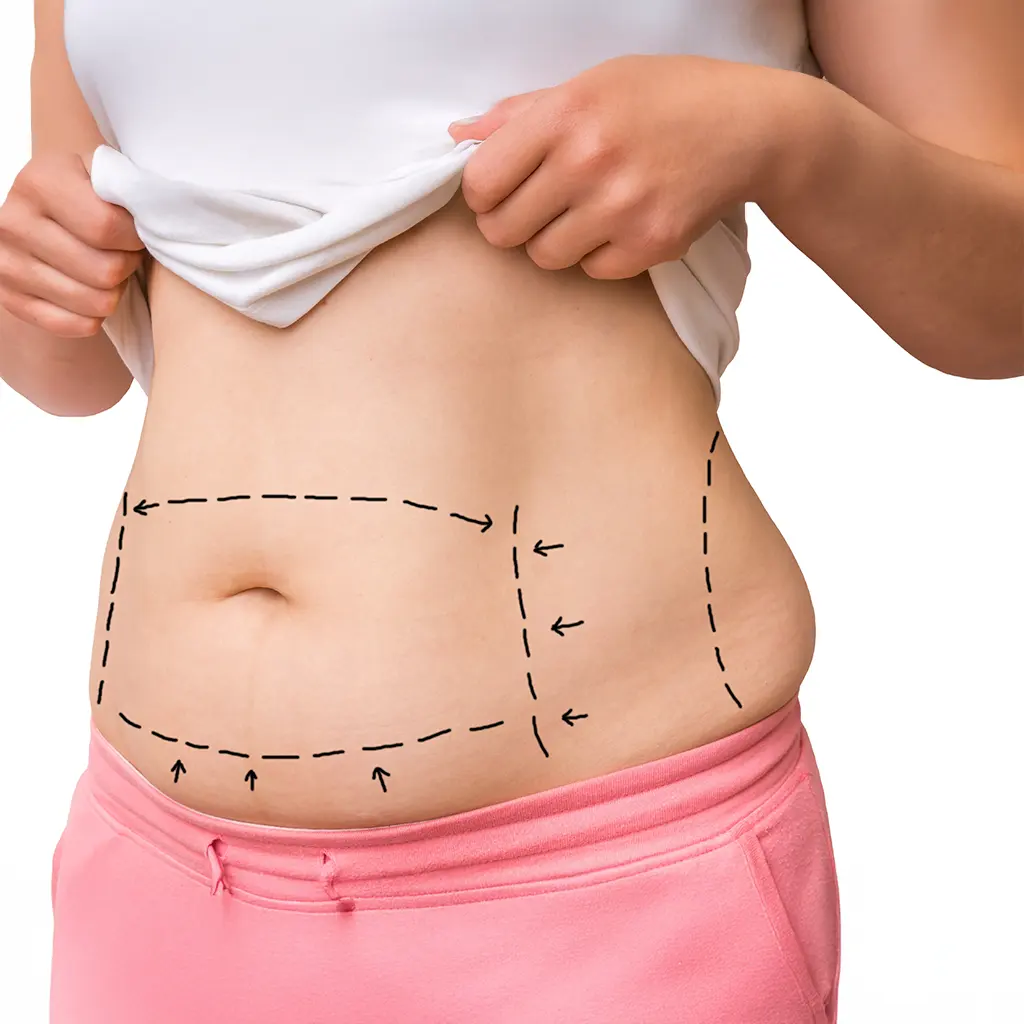
After rapid or significant weight loss, the skin cannot always fully adapt to the reduction in body volume. As a result, loose folds of skin may develop around the abdomen, arms, thighs, back, breasts, and buttocks. This appearance is not determined solely by the speed of weight loss; the total amount of weight lost, how …
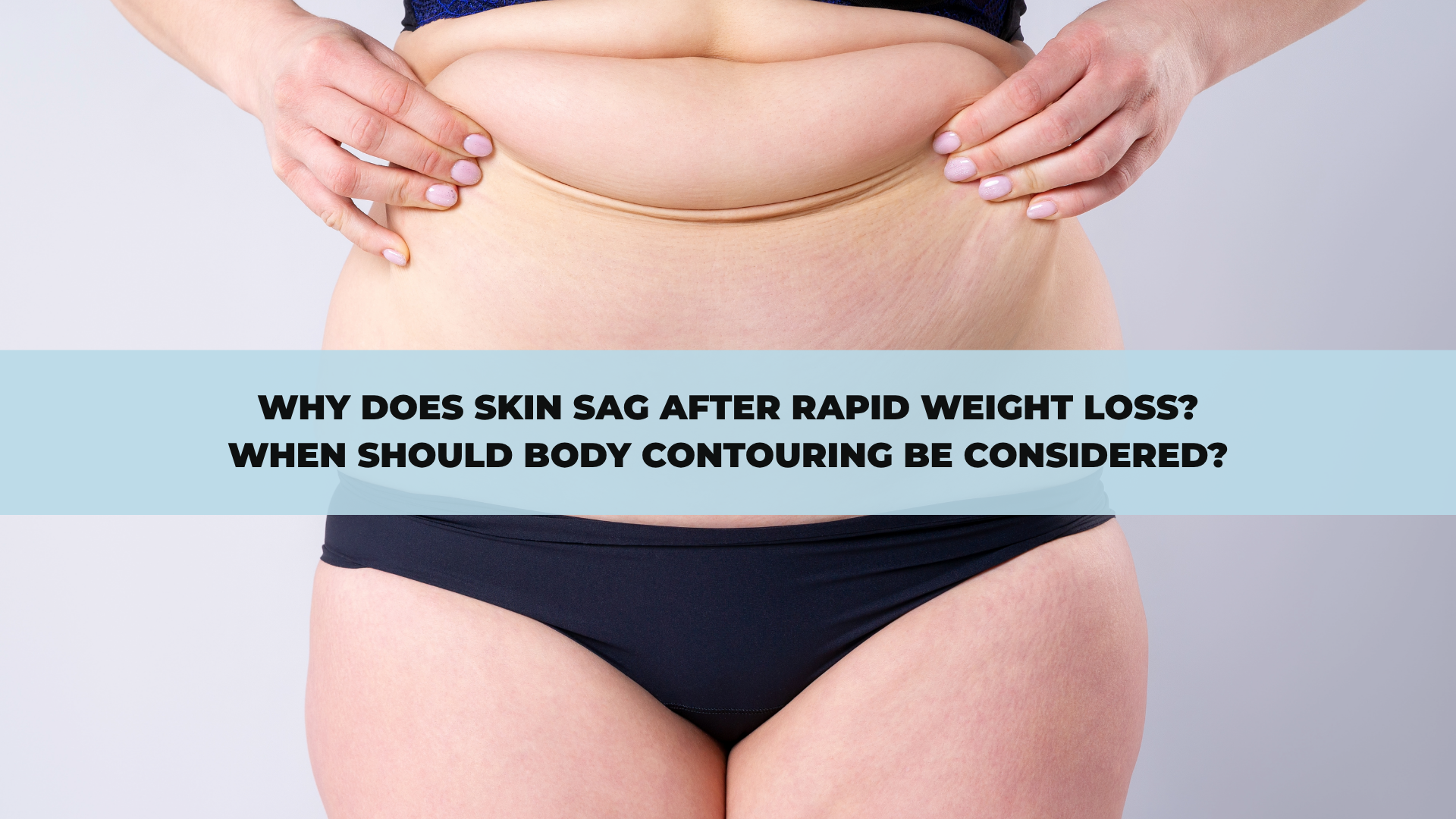
After rapid or significant weight loss, the skin cannot always fully adapt to the reduction in body volume. As a result, loose folds of skin may develop around the abdomen, arms, thighs, back, breasts, and buttocks. This appearance is not determined solely by the speed of weight loss; the total amount of weight lost, how long the skin remained stretched, age, genetic characteristics, smoking, and skin quality also play a role. Body contouring surgery should generally be considered after the weight-loss process has been completed and body weight has remained stable for a certain period.
Why Does Skin Not Return to Its Previous State After Weight Loss?
The skin is a living tissue that can stretch because of collagen and elastin fibres. When weight is gained, it expands to accommodate the increasing volume of fat tissue. When excess weight is carried for a long time, these supporting structures may weaken and the skin may lose some of its ability to return to its previous firmness.
When weight is lost, the volume beneath the skin decreases, but the skin may not shrink to the same extent. Particularly after major weight loss, it may become difficult for the tissue to conform to the new body volume. Therefore, sagging is not caused solely by losing weight quickly, but also by the skin being unable to recover sufficiently after prolonged stretching.
What Determines the Degree of Skin Sagging?
Two people who lose the same amount of weight may experience different degrees of skin laxity. As skin elasticity decreases with age, its ability to retract naturally may become more limited. Genetic characteristics, how many years excess weight was carried, pregnancies, sun damage, and smoking may also affect the appearance.
As the total amount of weight lost increases, the volume of tissue that becomes empty also increases. Very rapid weight loss may leave less time for the skin to adapt, but losing weight slowly does not guarantee that significant excess skin will be prevented. The skin’s original quality and the degree to which it was stretched are often just as important as the rate of weight loss.
Which Areas Are Most Commonly Affected by Sagging?
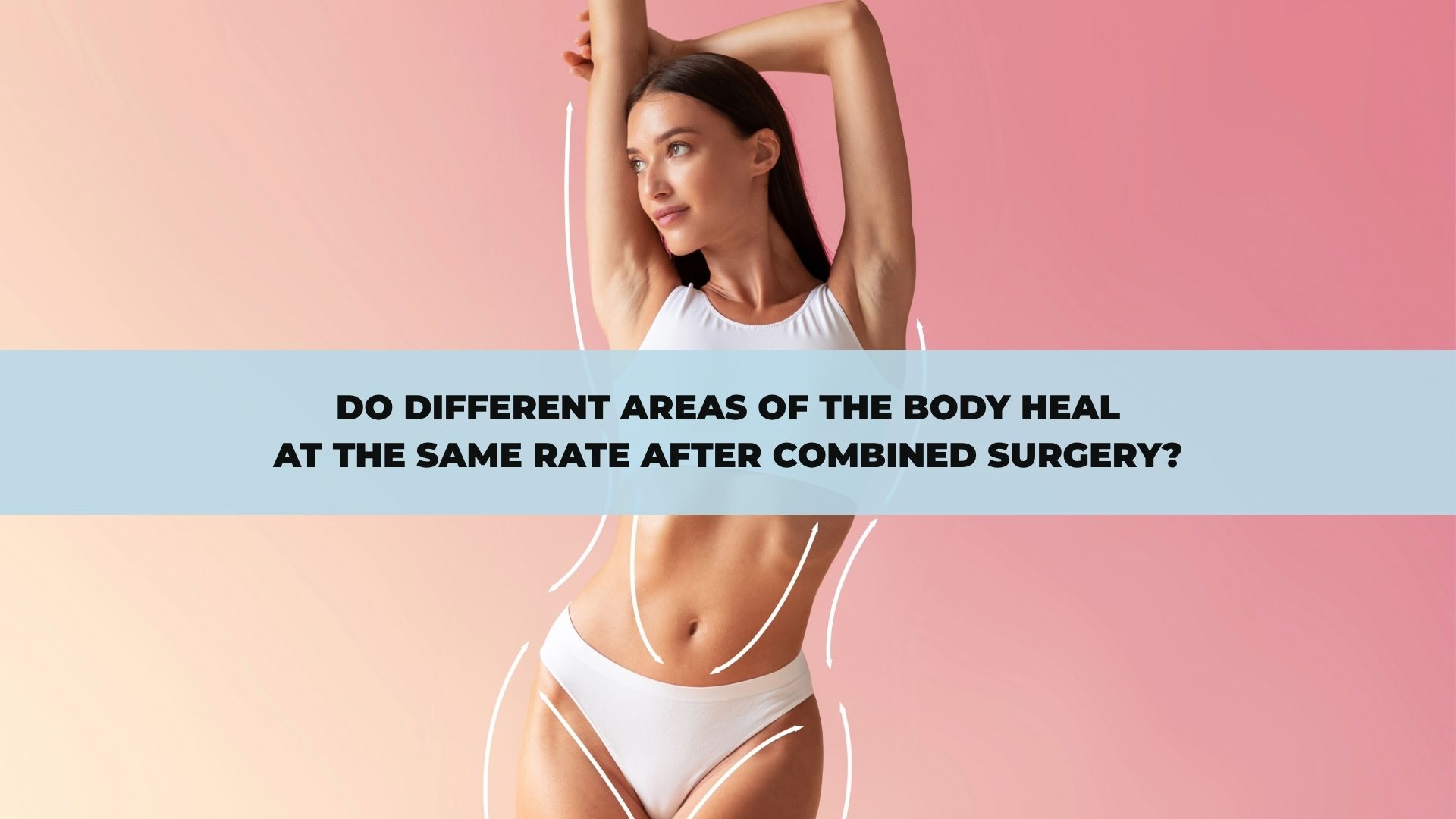
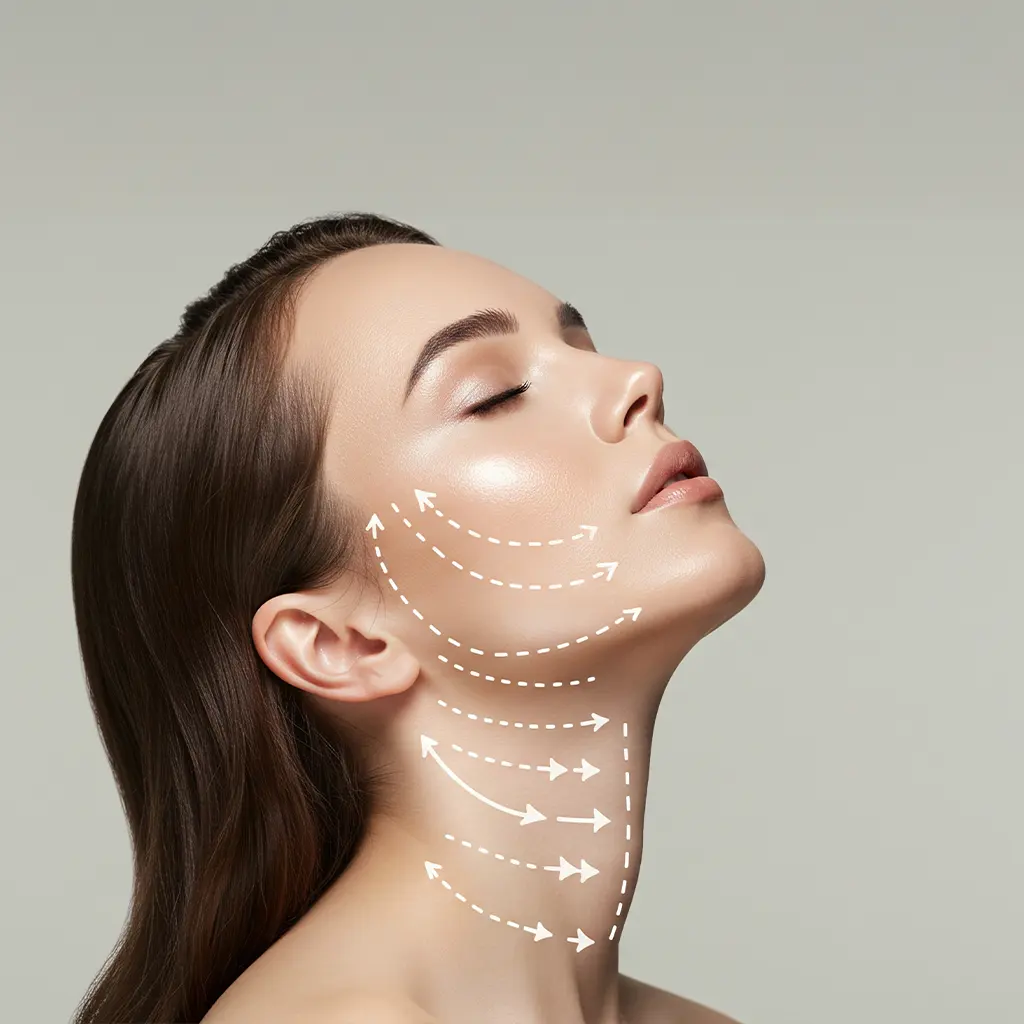
Excess skin is often most noticeable around the abdomen and waist. However, laxity may also develop on the inner arms, thighs, back, buttocks, breasts, neck, and face.
Large folds of skin beneath the abdomen may make movement, dressing, and personal hygiene more difficult. Areas where skin rubs against skin may develop irritation, redness, and recurrent skin problems. For this reason, excess skin after weight loss may affect not only aesthetic appearance but also physical comfort and daily life.
Can Exercise and Nutrition Tighten Loose Skin?
Balanced nutrition, adequate protein intake, and resistance exercise help maintain a healthy body composition after weight loss. Increasing muscle mass may make certain areas appear fuller and firmer. However, true excess skin cannot be eliminated through exercise.
Exercise develops muscle tissue; it does not remove skin that has structurally stretched and lost elasticity. Similarly, creams or non-surgical treatments may provide limited improvement in mild laxity, but they cannot replace surgical removal of large folds of excess skin. One of the purposes of procedures such as a tummy tuck is to remove excess skin that cannot be corrected through exercise.
When Should Body Contouring Be Considered?
Body contouring should not be planned while active weight loss is still continuing. Significant further weight loss after surgery may create new areas of laxity, while weight gain may stretch the tissues again. For this reason, patients are generally expected to approach their target weight and maintain it for a certain period.
Timing is not determined solely by the number on the scale. Nutritional status, vitamin and mineral deficiencies, anaemia, chronic medical conditions, smoking, and medications that may affect wound healing should also be evaluated. In individuals who have undergone bariatric surgery, whether weight loss is still continuing and whether there are problems related to nutrient absorption should be assessed separately.
Which Body Contouring Procedures May Be Performed?
The surgical plan is created according to the areas where excess skin is present. A tummy tuck targets the abdominal area; a lower body lift may address the waist, buttocks, and lower torso; an arm lift targets the upper arms; and a thigh lift may address the inner or outer thighs.
If the breast tissue has lost volume and developed sagging, a breast lift may be planned, with volume adjustment when necessary. Different surgical techniques may also be used for folds of excess skin on the back and sides of the torso.
Having sagging in several areas does not mean that all procedures will necessarily be performed during the same surgical session. Because of the length of the incisions, duration of surgery, and overall recovery burden, procedures may be divided into stages. Which area should be addressed first is determined according to the patient’s priorities, general health, and surgical safety limits.
How Should Scars and Risks Be Evaluated?
Because incisions are required to remove excess skin, body contouring procedures leave permanent scars. Although the surgeon attempts to place incisions within natural folds or areas that can be concealed by clothing whenever possible, the scars should not be expected to disappear completely.
Bleeding, infection, fluid accumulation, wound-healing problems, noticeable scars, changes in sensation, asymmetry, and blood clots are among the possible risks. Therefore, the potential improvement from surgery should be considered together with the scars, recovery period, and possibility of complications.
Personalised Planning After the Weight-Loss Process Is Complete
Sagging that develops after rapid weight loss does not require surgery in every patient. Mild laxity may improve to some extent over time, while significant folds of excess skin may remain permanently. For surgical assessment, weight loss should be complete, body weight should be stable, and the patient’s general health should be suitable.
Body contouring is not a weight-loss method. Its aim is to reshape the body contour by removing excess skin at the patient’s current weight. The most appropriate timing and combination of procedures should be determined after physical examination by considering the individual’s skin quality, health status, willingness to accept scars, and expectations together.
5/5 - (553 votes)
Book a Consultation
It’s easy and free!