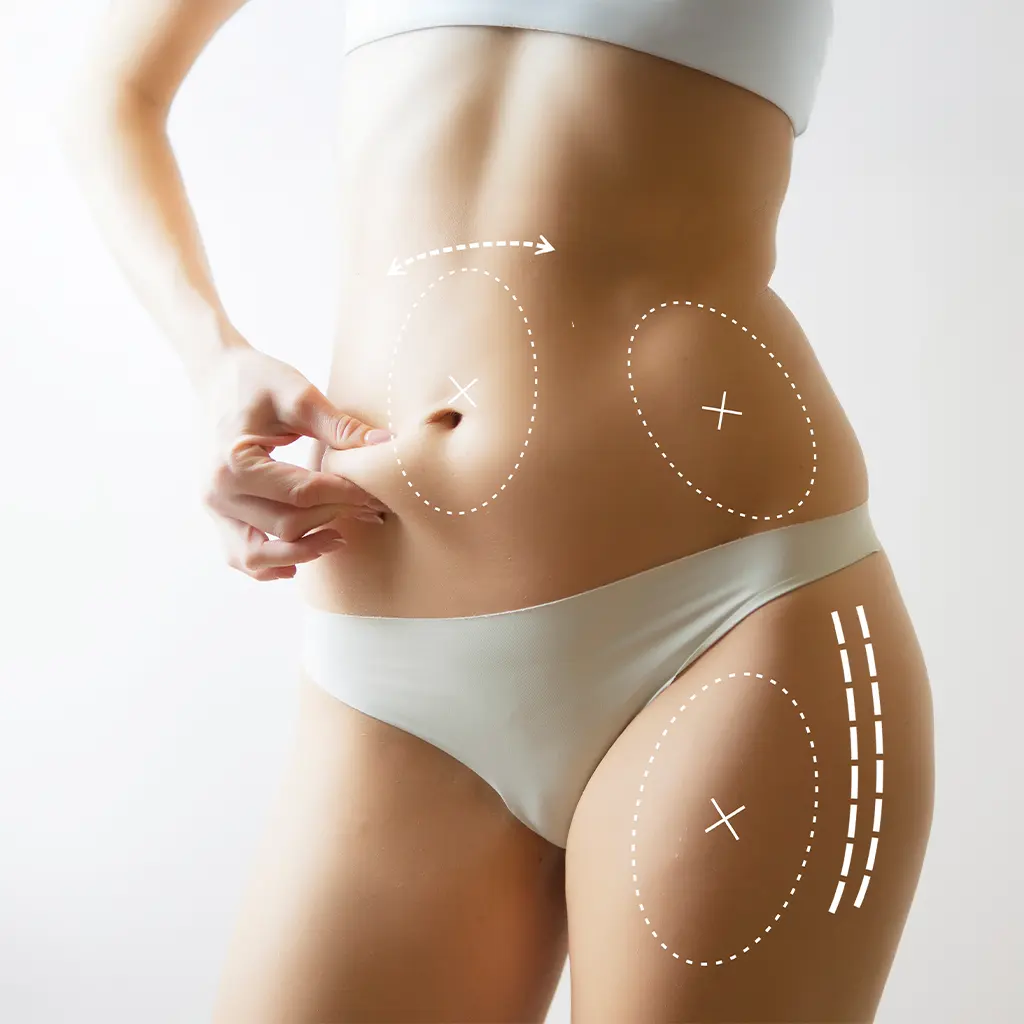
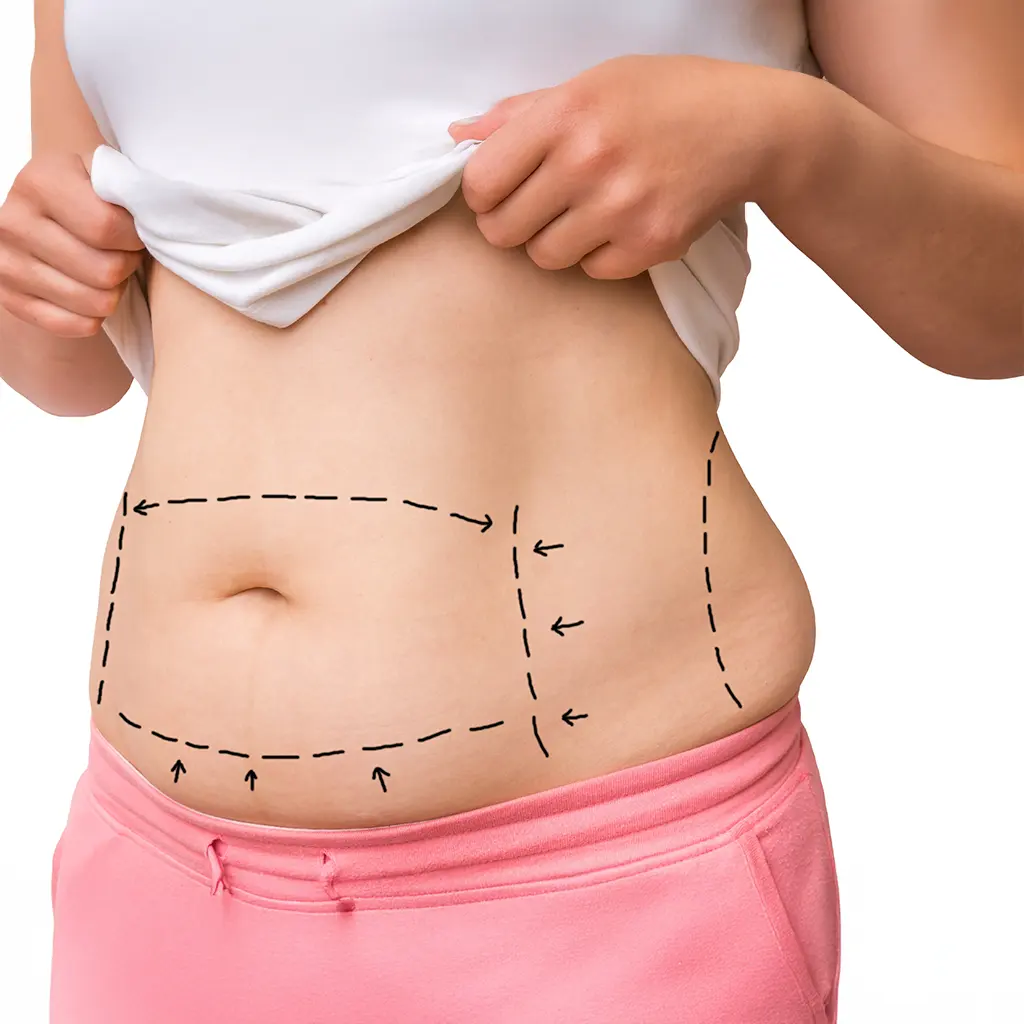
Fat deposits in the back and waist areas may persist despite weight loss and regular exercise. In particular, folds around the bra line, the sides of the waist and the lower back may affect body contours. Some individuals may notice that the tissue in these areas feels firmer than fat in the abdomen or outer …
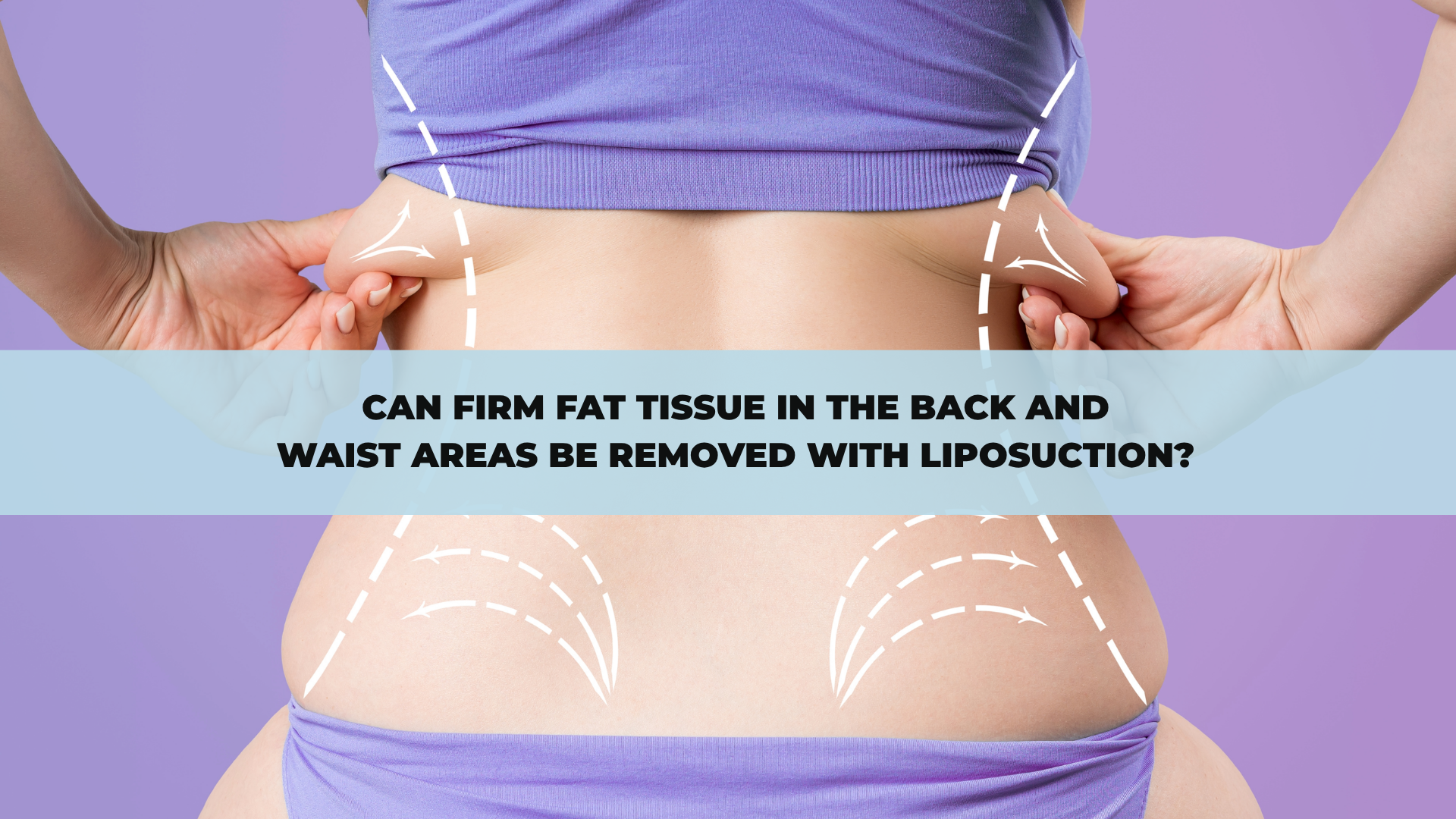
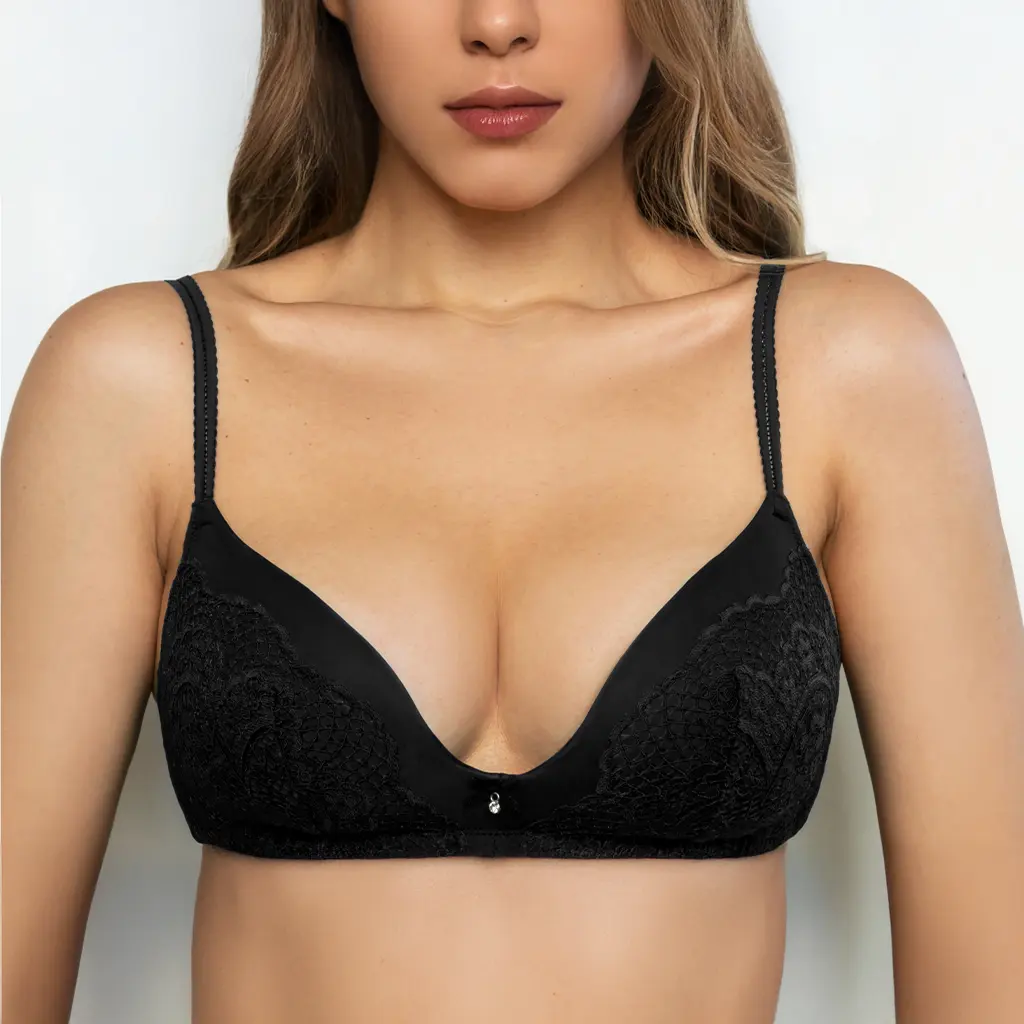
Fat deposits in the back and waist areas may persist despite weight loss and regular exercise. In particular, folds around the bra line, the sides of the waist and the lower back may affect body contours. Some individuals may notice that the tissue in these areas feels firmer than fat in the abdomen or outer thighs.
Whether firm-feeling tissue can be removed with liposuction depends on the cause of the firmness. If the appearance is caused by fat accumulated beneath the skin, it may be reduced with liposuction. However, not every area of firmness represents fat tissue. Skin quality, connective tissues, muscle structure and visceral fat may also affect the appearance of the area.
Why Can Back and Waist Fat Feel Firmer?
Fat tissue does not have the same structure in every part of the body. The back and waist areas may contain denser supporting tissues between the fat cells. This may cause the area to feel tighter or firmer when touched.
Weight fluctuations, ageing and genetic characteristics may also affect tissue structure. In some individuals, fat in the back area may be softer, while in others it may be denser and firmer. This difference may occur regardless of whether the individual is overweight.
Firmness in an area that has previously undergone liposuction should be assessed differently. Temporary firmness during healing, irregularities beneath the skin or scar tissue may cause the area to feel more rigid.
Which Types of Fat Does Liposuction Affect?
Liposuction is performed to reduce fat tissue located directly beneath the skin and that can be grasped by hand. Localised fat deposits in the back, waist and flank areas may be assessed within this context. However, the procedure is not a weight-loss method and does not remove all fat from the body.
Fat tissue that can be grasped at the sides of the waist may be contoured with liposuction. Similarly, some folds in the back area may be reduced if they are related to subcutaneous fat. The degree of change that can be achieved depends not only on the amount of fat but also on how effectively the skin can retract after the procedure.
Fat located inside the abdomen, behind the muscles, cannot be reached with liposuction. If a significant part of the width around the waist is caused by visceral fat, liposuction alone may not provide the expected reduction.
Can Firm Fat Tissue Be Removed with Liposuction?
Firm and dense subcutaneous fat tissue may be reduced with liposuction. However, the denser structure of the tissue may affect how the procedure is planned. During the examination, the plastic surgeon assesses the distribution of fat, skin thickness and the relationship of the area to other parts of the body.
The aim is not simply to remove as much fat as possible. Creating a balanced transition in the back and waist areas is more important than the amount of fat removed. Excessive reduction in one area may cause disharmony with the surrounding regions or surface irregularities.
If the firmness is related to a previous procedure, the assessment is different. In individuals considering revision liposuction, existing firmness, depressions and skin quality should be examined in detail.
Do Back Folds Disappear Completely?
Folds in the back area may not consist only of fat tissue. Excess skin and laxity may also cause the folds to persist. When fat is reduced, the area may appear slimmer, but loose skin does not always retract completely.
Individuals with good skin elasticity may experience more noticeable tightening after liposuction. If skin quality is poor or significant sagging is present, removing the fat alone may not be sufficient. In fact, skin laxity may become more visible once the volume has been reduced.
For this reason, it should be determined before liposuction how much of the fold is caused by fat and how much is related to excess skin. When necessary, different options addressing skin tightening or excess skin may be considered.
Can Liposuction Make the Waistline More Defined?
A more curved waist does not depend solely on the amount of fat. The rib cage, pelvic width, muscles and shoulder-to-hip balance all affect waist definition. Liposuction may make the existing body contours more visible by reducing suitable fat deposits around the waist.
However, the same degree of slimness or curvature cannot be created in every individual. Because the skeletal structure cannot be changed, planning is performed within the limits of the person’s natural anatomy. A waist shape seen on social media should not be assumed to be achievable for every body.
Assessing the back, waist and abdominal areas together may provide a more balanced appearance. Focusing on only one area may cause the transitions with surrounding regions to be overlooked.
Is Weight Loss or Liposuction More Appropriate?
If the individual is generally overweight, sustainable weight loss may be recommended first. Weight loss reduces the overall body fat percentage, while liposuction aims to contour specific areas.
Individuals who are close to their target weight but continue to have fat deposits in the back and waist areas may be assessed for liposuction. Stable weight helps preserve the body contour after the procedure.
Significant weight gain after liposuction may cause the remaining fat cells to enlarge and alter the body contours again. Therefore, the procedure does not replace long-term weight management.
Who May Not Be a Suitable Candidate?
If most of the width around the waist is caused by visceral fat, liposuction may provide only limited change. A different plan may also be required for individuals with significant excess skin or frequent weight fluctuations.
Chronic medical conditions, medications, smoking and previous operations are also part of the suitability assessment. It is not appropriate to make a definitive decision based only on a photograph and state that “this fat can be removed with liposuction.”
Firm fat tissue in the back and waist areas may be reduced with liposuction when it is located beneath the skin. However, the cause of the firmness, the skin’s capacity to retract and the individual’s body structure determine the degree of change that may be achieved. The appropriate approach is to assess the area through a physical examination and plan the procedure by considering the overall proportions of the body.
5/5 - (764 votes)
Book a Consultation
It’s easy and free!