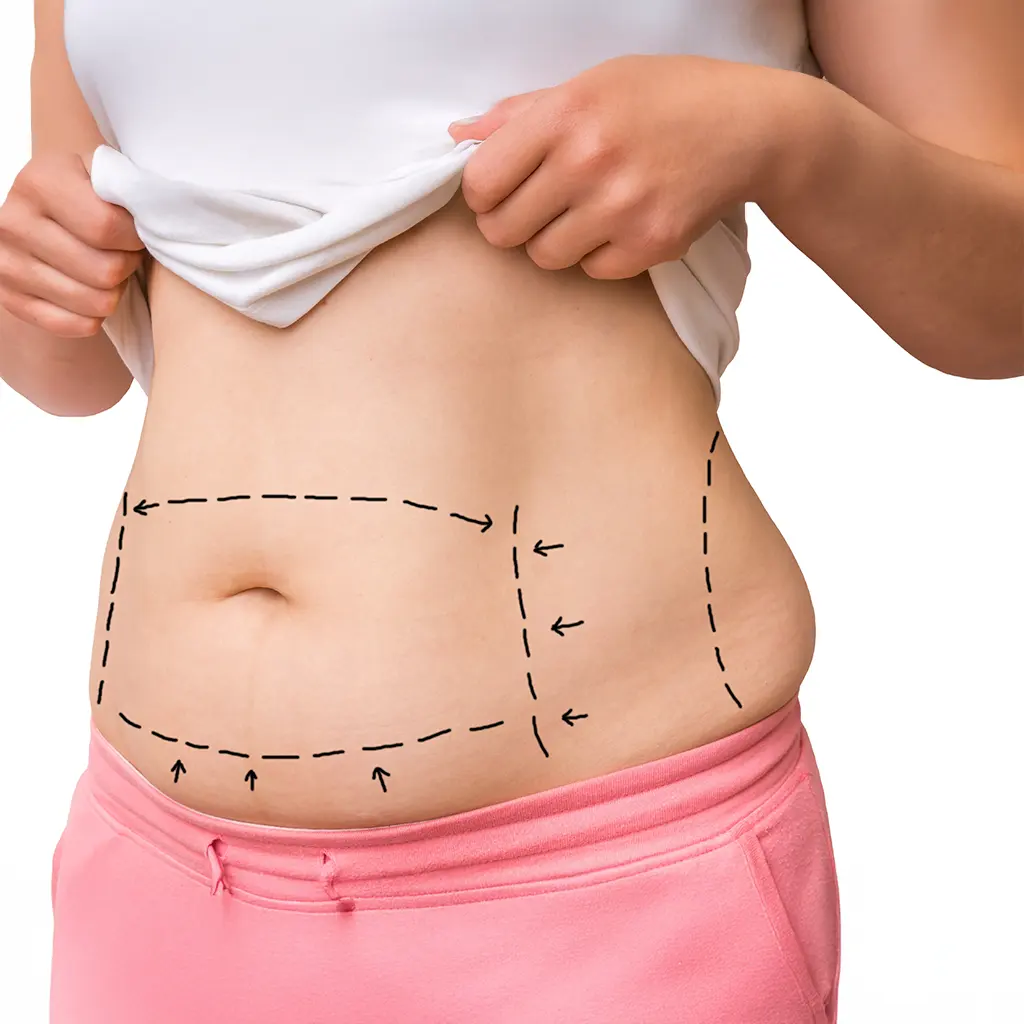
Losing a significant amount of weight may lead to important changes in health, mobility and everyday life. However, excess skin may remain in areas such as the abdomen, arms, thighs, breasts, back and buttocks after weight loss. This may affect different aspects of daily life, from clothing choices to physical activity. One of the most …
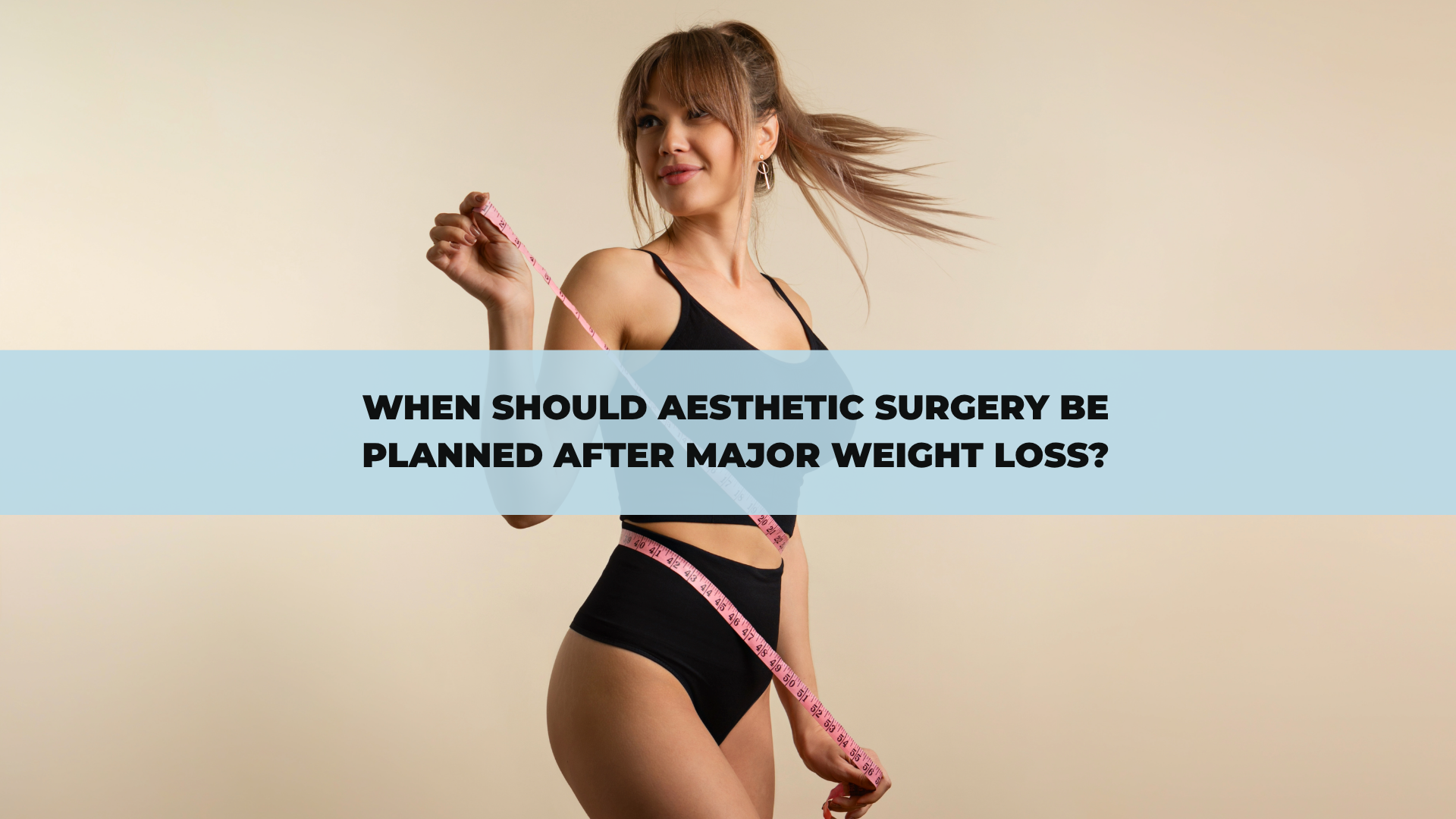
Losing a significant amount of weight may lead to important changes in health, mobility and everyday life. However, excess skin may remain in areas such as the abdomen, arms, thighs, breasts, back and buttocks after weight loss. This may affect different aspects of daily life, from clothing choices to physical activity.
One of the most common concerns among people considering aesthetic surgery to remove excess skin is the appropriate timing. Reaching the target weight alone is not sufficient for surgery. The weight should remain stable for a certain period, the body should adapt to its new weight and the individual’s general health should be suitable for surgery.
Can Surgery Be Performed Immediately After Reaching the Target Weight?
Reaching the intended weight is an important stage, but it does not necessarily mean that aesthetic surgery can be planned immediately. If body contouring surgery is performed while weight loss is still continuing, skin laxity may develop again afterwards. This may alter the achieved appearance and create a need for additional procedures.
The weight-loss period is generally expected to be largely complete before surgery. Even if the individual has not reached the exact target weight, they should be close to a healthy and sustainable weight. Rather than waiting for a difficult-to-achieve number for an extended period, the current health status and progression of weight loss should be evaluated together.
How Long Should the Weight Remain Stable?
When aesthetic surgery is planned after major weight loss, the weight is generally expected to remain stable for at least several months. For many patients, approximately six months of stability may be an important indicator. However, this period is not the same for everyone.
Frequent weight gain and loss over short intervals may indicate that the body has not yet adapted to its new weight. Minor daily fluctuations are normal. The important point is that significant weight loss or gain is no longer continuing.
The process may take longer in individuals who have undergone weight-loss surgery. Because the rate of weight loss is often high during the first few months, body contouring procedures are generally considered after weight loss has slowed and body weight has stabilised. The timing may be determined through a joint assessment by the bariatric surgery team and the plastic surgeon.
Why Is Weight Stabilisation Necessary?
Continued changes in body weight affect the skin, fat tissue and overall body proportions. If excess skin is removed before weight loss is complete, the amount removed may later prove insufficient. Further weight loss may lead to renewed sagging or laxity.
Stable weight helps the plastic surgeon assess the current amount of excess skin and body proportions more accurately. The balance between the abdomen, waist, back, arms and thighs can be seen more clearly only after weight loss has largely been completed.
Weight stability also indicates that the individual is able to maintain their new eating and activity routine. For the postoperative body shape to be preserved, these habits should become a permanent lifestyle rather than a temporary phase.
Why Is Nutritional Status Important?
Individuals who have experienced major weight loss may have certain nutritional deficiencies even if they appear healthy. Particularly after rapid weight loss or bariatric surgery, protein, iron and certain vitamin levels should be assessed.
The body requires adequate nutritional support to heal surgical wounds. Nutritional deficiencies may contribute to fatigue, anaemia and delayed wound healing. For this reason, the necessary assessments should be performed before surgery, and any identified deficiencies should be corrected.
An individual cannot be considered ready for surgery based on weight alone. The ability to maintain regular nutrition, consume sufficient protein and use the recommended supplements after bariatric surgery, when applicable, should also be evaluated.
How Is General Health Assessed?
Certain health conditions, such as high blood pressure, diabetes or sleep apnoea, may improve after major weight loss. However, these conditions should not be assumed to have disappeared completely. Current medical conditions and medications should be reassessed before surgery.
Smoking and nicotine use may also affect the timing of surgery. Nicotine may impair blood circulation in the tissues and make wound healing more difficult. For this reason, patients may be required to stop using nicotine before and after surgery.
Before deciding on surgery, it is also important that the individual can manage daily life independently and has the necessary support during recovery. The need for assistance at home may increase when several areas are treated during the same operation.
Can All Areas Be Treated During the Same Operation?
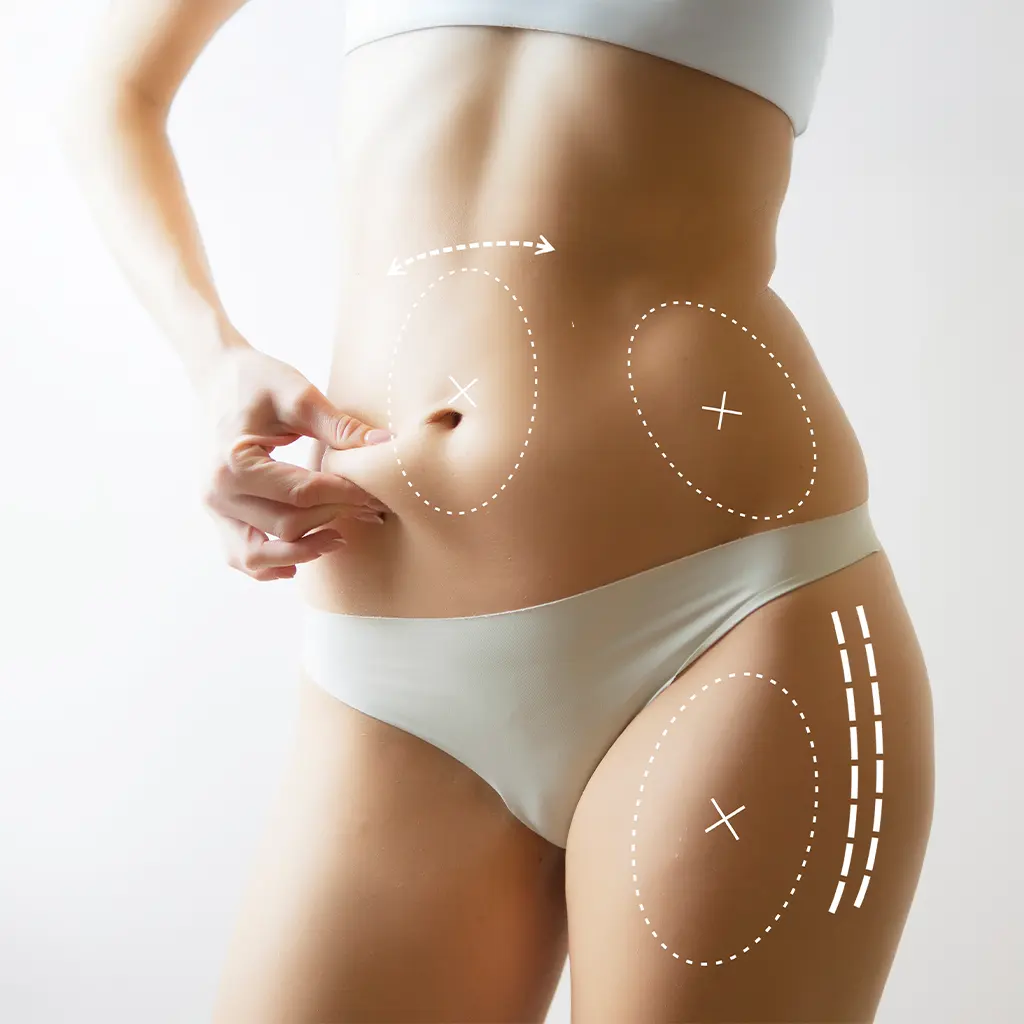
After major weight loss, excess skin is generally not limited to a single area. A person may want the abdomen, back, breasts, arms and thighs to be treated at the same time. However, combining all procedures into one operation may not be appropriate for every patient.
The extent of surgery is determined by considering the individual’s health, the duration of the procedure and their healing capacity. Dividing the procedures into stages may be more appropriate for some patients. Priority may be given to the areas that cause the greatest difficulty in everyday life or have the strongest effect on overall body balance.
Staged planning gives the body time to recover after each operation. The timing of the second operation is also determined according to the recovery from the first procedure.
Why Is Psychological Readiness Important?
Major weight loss creates not only a physical change but also a psychological one. It may take time for the individual to adjust to their new body measurements and appearance. Once the excess skin is removed, a new period of adaptation to body image may begin.
Aesthetic surgery should not be expected to eliminate every concern related to self-confidence or transform every aspect of life. The potential changes should be assessed realistically together with the limitations, scars and recovery process.
The most appropriate time for aesthetic surgery after major weight loss is not determined solely by the calendar. Weight should stabilise, nutritional deficiencies should be corrected, the individual’s health should be suitable and preparations should be made for the recovery period. Consultations with a plastic surgeon may begin while weight loss is still continuing, but the decision to proceed with surgery should be made after the body has reached its new weight and maintained stability for a certain period.
5/5 - (551 votes)
Book a Consultation
It’s easy and free!