One of the stages requiring the greatest care after hair transplantation is the first hair wash. The sensitivity of the transplanted area may cause patients to hesitate to touch their hair or worry about making an incorrect movement. However, washing at the appropriate time and in the recommended manner helps clean the scalp and allows …
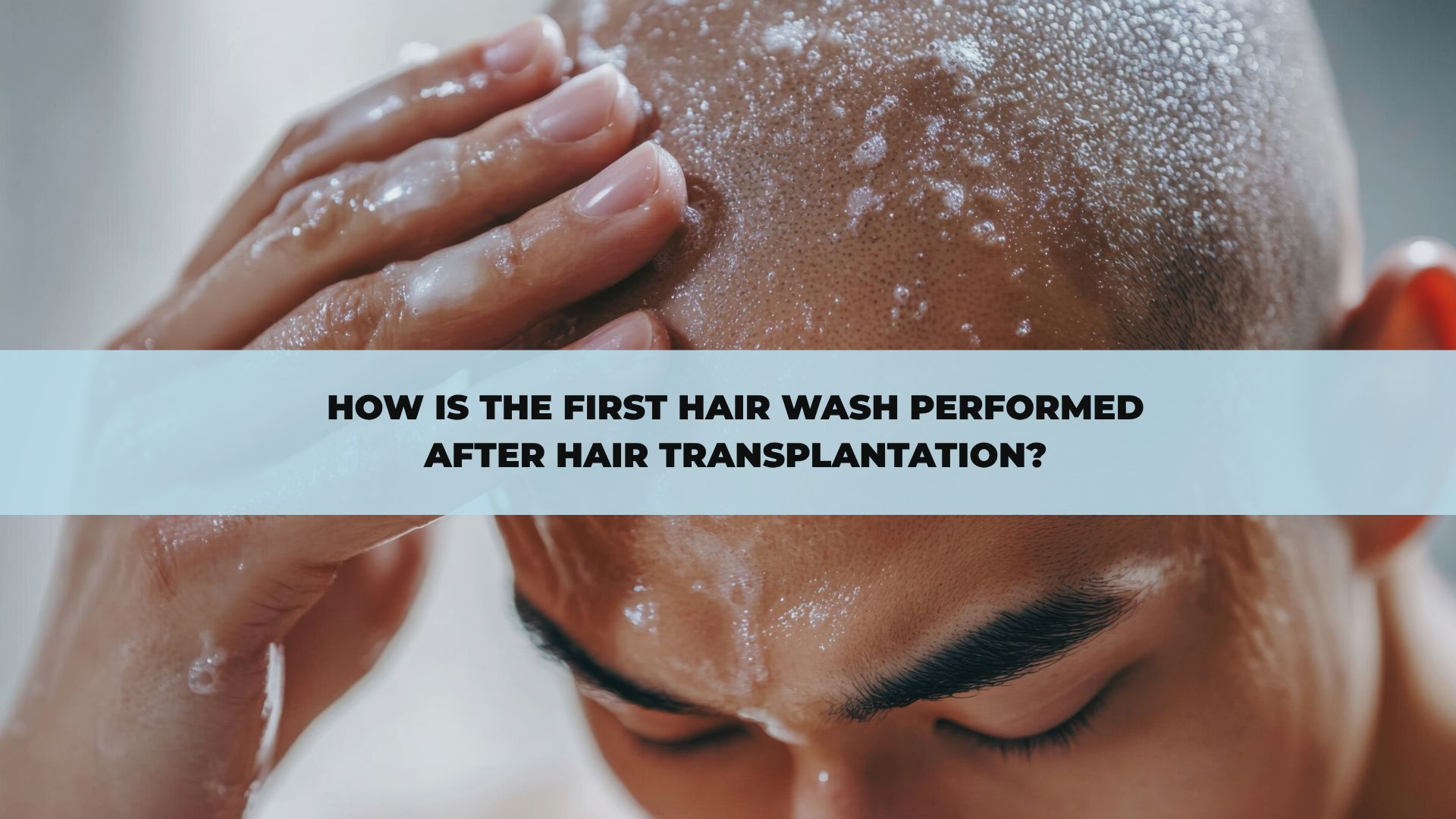
One of the stages requiring the greatest care after hair transplantation is the first hair wash. The sensitivity of the transplanted area may cause patients to hesitate to touch their hair or worry about making an incorrect movement. However, washing at the appropriate time and in the recommended manner helps clean the scalp and allows the healing process to progress more comfortably.
The first wash is different from normal hair washing during a shower. The transplanted area is not rubbed, touched with the fingernails or exposed directly to strong water pressure. The products to be used, when washing should begin and how it should be performed should be determined according to the recommendations of the medical team that carried out the procedure.
When Is the First Hair Wash Performed?
The timing of the first hair wash may vary depending on the technique used, the condition of the scalp and the care plan provided by the medical team. The washing process generally begins within the first few days after hair transplantation. However, the timing given to another patient should not be used as a reference.
At some centres, the first wash is performed at the clinic. This allows the patient to see in practice how the transplanted area should be touched and which movements should be avoided. If the first wash is to be performed at home, the care instructions provided should be followed carefully.
Washing the hair earlier than instructed may be inappropriate, but delaying it longer than necessary may also not be advisable. Blood residue and crusts that accumulate on the scalp should be cleaned gradually over time. The schedule established by the medical team should be followed to ensure that this process progresses in a controlled manner.
How Should You Prepare Before the First Wash?
The products to be used should be prepared before washing begins. Products other than the shampoo, foam or care product recommended by the medical team should not be used. Perfumed products, products with intensive ingredients or those that may irritate the scalp should be avoided.
The water temperature is also important. Very hot water may increase sensitivity and redness on the scalp. Cold water may make washing uncomfortable. Therefore, lukewarm water should be preferred.
The transplanted area should not be exposed directly to high-pressure water. Strong water from the showerhead may place strain on the sensitive area during the early period. The water pressure may be reduced, or water may first be collected in the hand and then applied slowly to the scalp.
How Is the Transplanted Area Washed?
The main aim when washing the transplanted area is to clean the scalp without placing it under strain. The recommended product should not be rubbed directly onto the hair with forceful movements. It may be lathered in the palm of the hand or applied gently to the area in the manner demonstrated by the medical team.
Rubbing and circular massage movements should not be performed during the first washes. Applying pressure with the fingertips, scratching with the fingernails or attempting to remove the crusts may irritate the transplanted area. The product should be distributed over the scalp with gentle touches and carefully rinsed after the recommended period.
Strong water pressure should also be avoided during rinsing. Care should be taken to ensure that no shampoo or care product remains on the scalp, but the process should not be rushed. Slow and controlled movements help make the first wash more comfortable.
How Is the Donor Area Washed?
Tenderness, redness and small crusts may be seen in the area from which the hair follicles were harvested. Care of this area may differ from that of the transplanted area. Although it may be cleaned more freely when permitted by the medical team, vigorous rubbing should still be avoided.
Mild tenderness during washing may be normal. However, if increasing pain, bleeding or significant discomfort occurs, washing should be stopped and the medical team should be informed.
Scratching the donor area, removing crusts with the fingernails or drying it with a rough towel may adversely affect healing. The area should be given time to heal naturally.
Are the Crusts Removed During the First Wash?
Small crusts are expected to form in the transplanted area after hair transplantation. It is not necessary to remove all of these crusts during the first wash. The aim of the first wash is not to remove them forcibly, but to soften them gradually so that they can be cleaned in a controlled manner over time.
Picking the crusts with the fingernails or attempting to remove them with forceful movements may damage the scalp. With regular and gentle washing, the crusts gradually soften and begin to separate naturally.
If the crusts remain longer than expected, the patient should not intervene using personal methods. The medical team may assess the area and recommend changes to the washing technique.
How Should the Hair Be Dried?
After the first wash, the transplanted area should not be rubbed with a towel. The scalp may be allowed to dry naturally. If a towel must be used, it should only be applied in the manner recommended by the medical team and without pressure.
Hair dryers that blow hot air may irritate the scalp during the early period. Instructions regarding when a hair dryer may be used should be followed. Even when its use is permitted, high temperatures and close-distance application should be avoided.
What Is Normal After the First Wash?
Seeing a few hair strands during washing does not always mean that the hair follicles have been lost. Hair shafts may shed after transplantation while the follicles remain beneath the skin. Mild redness, tenderness and crusting may also occur during the early stages of healing.
However, the medical team should be contacted if there is persistent bleeding, increasing pain, foul-smelling discharge, a noticeable increase in temperature or widespread redness. When the patient has concerns, contacting the centre that performed the procedure is more appropriate than searching online for a solution.
The first hair wash is not something to fear, but it should not be rushed. Lukewarm water, low pressure, gentle contact and the use of recommended products form the basis of this process. The care taken during the first few days helps the scalp heal properly and allows the patient to move more comfortably into the subsequent stages of care.
5/5 - (659 votes)
Book a Consultation
It’s easy and free!