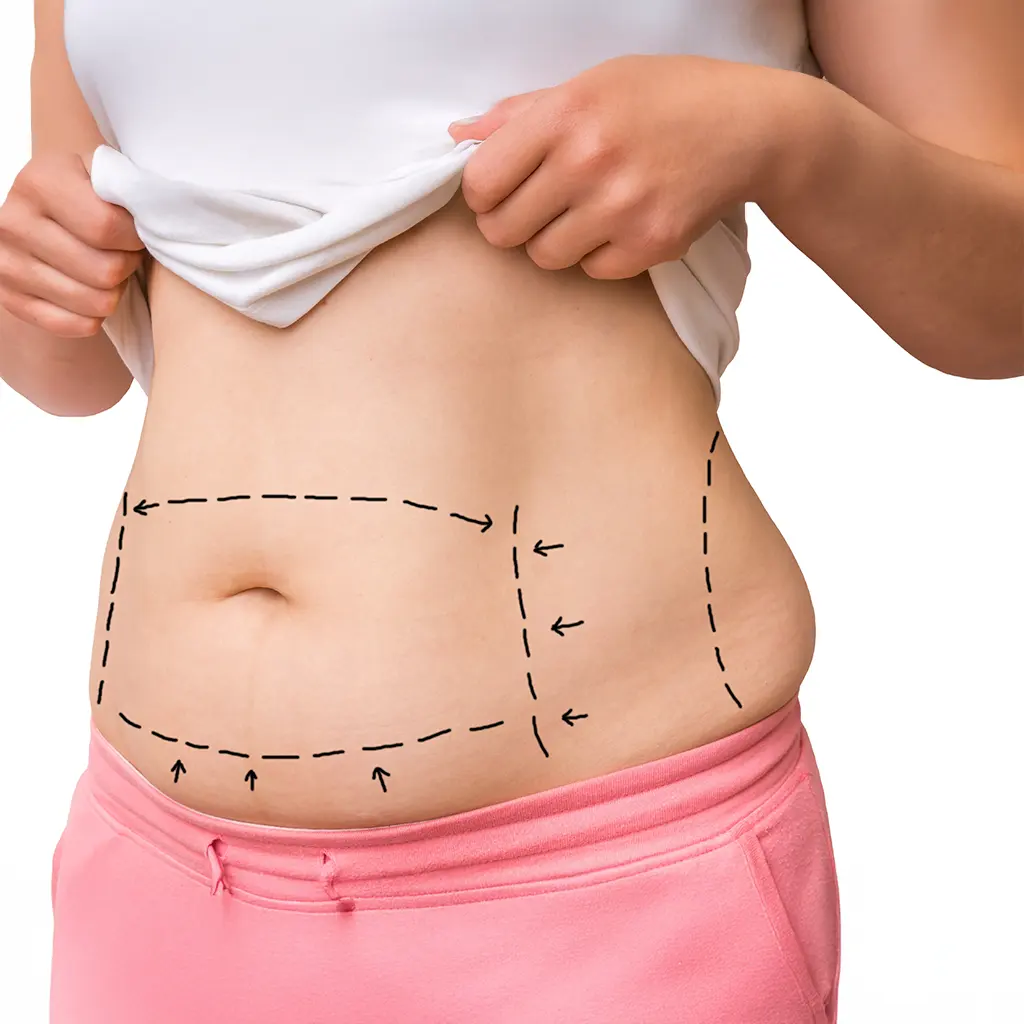
Arm lift surgery is performed to reduce excess skin in the upper arm area, particularly after significant weight loss or as a result of ageing. Among the most common concerns for people considering the operation are where the incision scar will be located and how it will appear over time. An incision is required to …
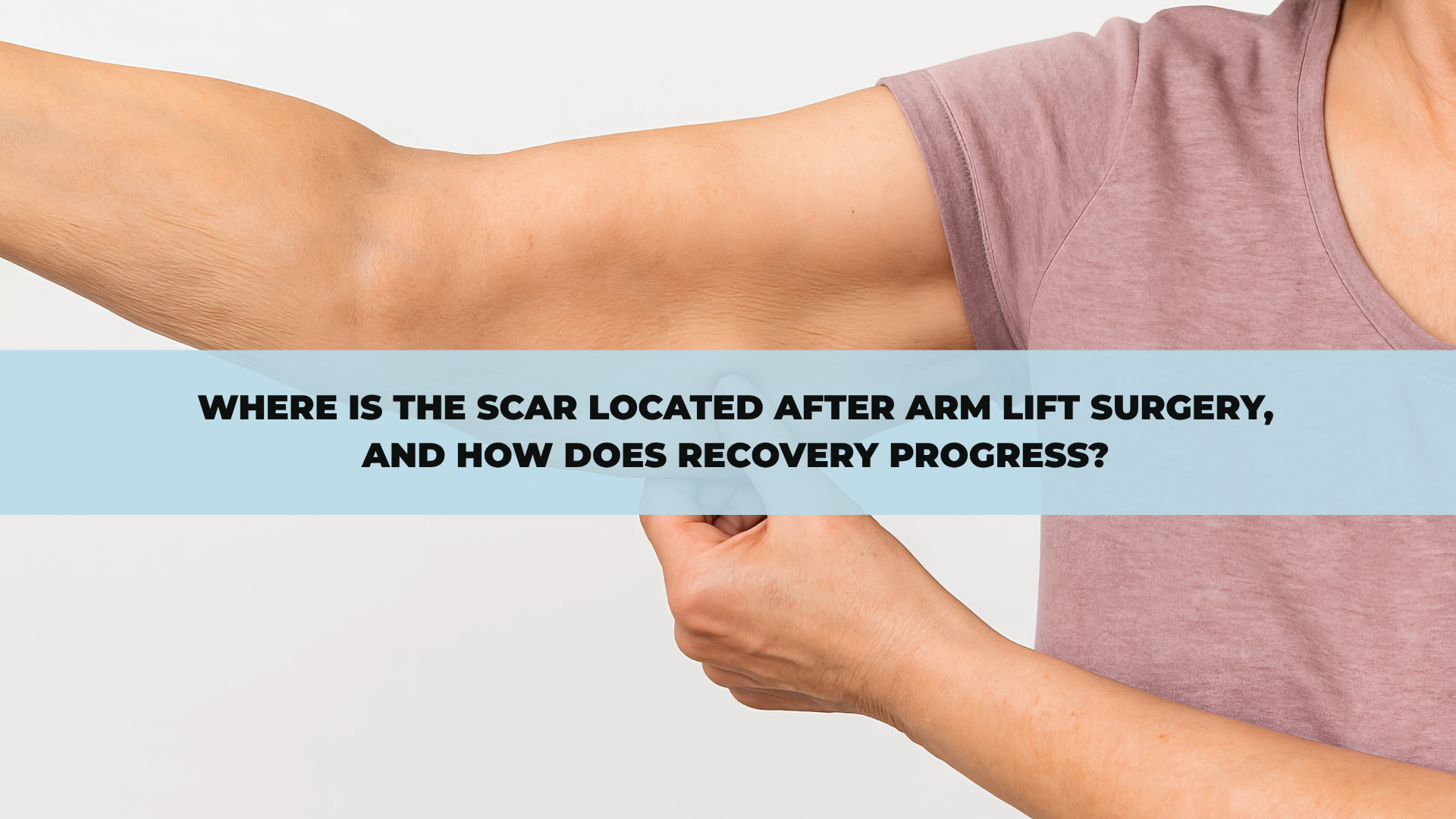
Arm lift surgery is performed to reduce excess skin in the upper arm area, particularly after significant weight loss or as a result of ageing. Among the most common concerns for people considering the operation are where the incision scar will be located and how it will appear over time.
An incision is required to remove excess skin during arm lift surgery. Therefore, the operation is not completely scar-free. The length and position of the scar may vary depending on the amount of excess skin in the arm and which areas need to be reshaped. During planning, an effort is made to place the incision line in a less visible part of the arm whenever possible.
Where Is the Scar Located After Arm Lift Surgery?
An arm lift scar is generally located along the inner or back part of the upper arm. The aim is to make the scar as inconspicuous as possible from the front when the arm rests beside the body. However, the structure of the individual’s arm and the amount of skin that needs to be removed may affect the exact position of the scar.
If the excess skin is limited to the area close to the armpit, the incision may be confined to the armpit crease. This approach is not sufficient for every patient. A longer incision may be required when sagging extends along the upper arm.
In cases of significant excess skin, the scar may extend from the armpit towards the elbow. Whether the incision reaches the elbow depends on how widely the sagging is distributed. In individuals who have experienced major weight loss, excess skin may extend into the armpit and the side of the chest, meaning that the extent of the scar may also be greater.
Can the Length of the Scar Be Determined in Advance?
The incision line can generally be planned during the preoperative examination. The plastic surgeon assesses the amount of excess skin and the distribution of sagging while the patient is standing. Following this assessment, the patient can be given an approximate explanation of where the scar will begin and end.
However, removing an insufficient amount of skin solely to create a shorter scar may not provide the degree of tightening the individual expects. A balance must be established between the length of the scar and the contouring intended from arm lift surgery.
The same incision length or position is not used for every patient. A scar seen on another patient on social media does not represent the incision line that will develop after someone else’s surgery. The scar plan is prepared according to the individual’s anatomical characteristics and the amount of excess skin.
What Does the Arm Lift Scar Look Like During the First Few Days?
During the first few days after surgery, the incision line may appear red, noticeable and slightly raised. Swelling, bruising and a feeling of tightness around the area may also occur. This appearance does not indicate what the scar will look like permanently.
During the first few weeks, swelling in the arm area may make the incision line appear more noticeable. Minor differences in swelling between the two arms may also occur. As healing progresses, the swelling decreases and the appearance of the incision line begins to change.
Closure of the wound surface does not mean that the scar has fully matured. Healing beneath the skin continues for much longer. For this reason, a definitive assessment should not be made based on the appearance during the first few months.
How Does the Scar Change Over Time?
An arm lift scar may appear red or pink during the first few months. In some individuals, it may temporarily become firm, raised or darker than the surrounding skin. Over time, the scar is expected to become lighter in colour and softer.
Scar maturation varies from person to person and may take several months. In some individuals, the scar fades significantly within a year, while in others the changes may continue for longer. The scar does not disappear completely, but it may become less noticeable.
Skin tone, genetic characteristics, the individual’s tendency to form scars, smoking and tension along the incision line may affect the appearance of the scar. Individuals who have previously developed raised or widened scars should inform their plastic surgeon before surgery.
How Does the Recovery Process Affect Daily Life?
During the first few days after arm lift surgery, tightness, tenderness and restricted movement may be felt in the arms. Raising the arms, carrying heavy objects or performing pushing and pulling movements may be uncomfortable.
The return to daily activities should be gradual. The period specified by the plastic surgeon should be observed before heavy lifting or exercises that strain the arms are resumed. Movements that place tension on the incision line during the early period may cause the wound to stretch and the scar to widen.
A return to desk-based work may be possible earlier than a return to physically demanding work. However, the timing of returning to work should be determined not only by the number of days that have passed, but also by the nature of the job and the individual’s recovery.
Is a Compression Garment Used After an Arm Lift?
A specialised garment that supports the arms may be recommended after surgery. This garment may help control swelling and support the arm area. The duration of use and the required level of tightness may vary from person to person.
The supportive garment should not be so tight that it restricts circulation. The medical team should be informed if discolouration of the hands, pronounced numbness, increasing pain or an excessive feeling of compression develops. The garment size or method of use should not be changed without medical advice.
How Should the Scar Be Cared For?
During the early period, the incision line should be kept clean and dry, and the instructions provided regarding dressings and showering should be followed. Different creams or care products should not be used before the wound has fully closed.
Once the wound has healed, the plastic surgeon may recommend silicone-based products or other scar-care treatments. Protecting the scar from sunlight is also important for reducing the risk of discolouration. Scar care should be applied regularly, but no method can guarantee that the scar will disappear completely.
When Should the Medical Team Be Contacted?
The medical team should be contacted if increasing redness, foul-smelling discharge, wound separation, significant bleeding or worsening pain develops along the incision line. Sudden and pronounced swelling or discolouration in one arm also requires assessment.
The location and length of the scar after arm lift surgery are determined according to the amount of excess skin that needs to be removed. The scar is permanent, but it may fade and become less noticeable over time. When deciding whether to undergo surgery, not only the prospect of a firmer arm appearance but also the scar that will be accepted in return for this change should be assessed realistically.
5/5 - (775 votes)
Book a Consultation
It’s easy and free!