One of the most common questions among people considering hair transplantation is whether the transplanted hair will fall out again in the future. Hair transplantation may provide a long-lasting change, but it would not be accurate to assume that no hair strand will ever shed after the procedure. The transplanted hair, the existing non-transplanted hair …
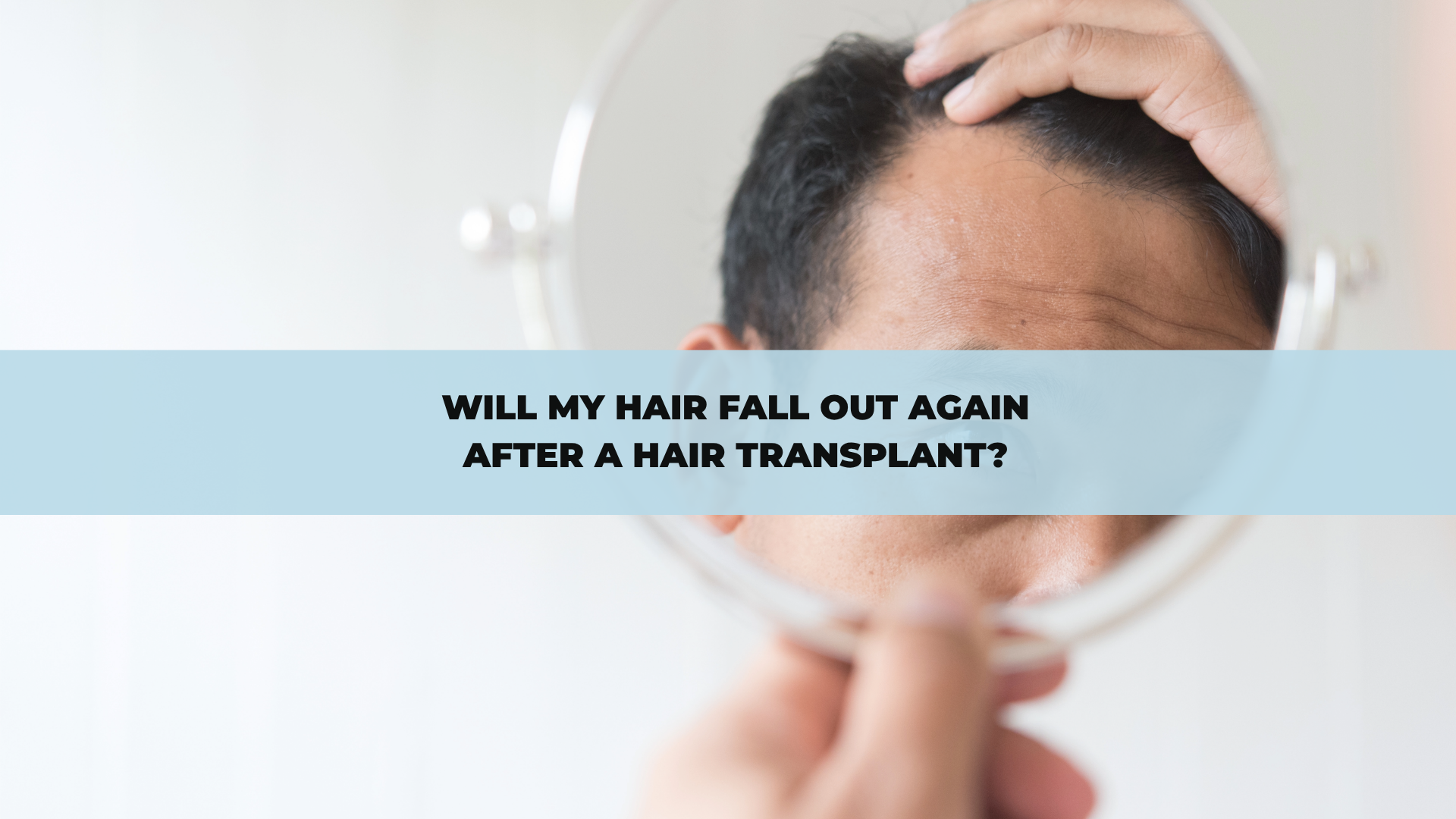
One of the most common questions among people considering hair transplantation is whether the transplanted hair will fall out again in the future. Hair transplantation may provide a long-lasting change, but it would not be accurate to assume that no hair strand will ever shed after the procedure. The transplanted hair, the existing non-transplanted hair and the natural growth cycle of the hair shafts should be evaluated separately.
The briefest answer is that transplanted hair generally maintains its permanence, while the surrounding natural hair may continue to fall out. In addition, the temporary shedding that occurs during the first few weeks after hair transplantation is usually part of the expected recovery process.
Is the Initial Shedding After Hair Transplantation Normal?
The shedding of transplanted hair shafts a few weeks after hair transplantation may cause concern. Seeing the hair become sparse again in the mirror may lead patients to believe that the procedure has failed. However, this early shedding does not mean that the transplanted hair follicles have been lost completely.
During this process, it is usually the visible part of the hair that sheds. The hair follicle remaining beneath the skin may begin producing hair again after a period of rest. Because it takes time for new hair to become visible, the scalp may even appear sparser than it did before the procedure during the first few months.
The same timeline is not seen in every individual. Some people notice new hair earlier, while growth may progress more slowly in others. For this reason, assessing the success of hair transplantation during the first few weeks or first few months may be misleading.
Is Transplanted Hair Permanent?
Hair transplantation generally uses follicles from areas with characteristics that are more resistant to hair loss. These follicles may largely retain their original characteristics after being transplanted to their new location. Therefore, the transplanted hair is expected to continue growing for many years.
However, permanence does not mean that the transplanted hair will never undergo any change throughout life. Transplanted hair grows, is cut and follows a natural life cycle just like other hair. Losing a few strands each day may be normal.
Ageing, general health, hormonal changes and the gradual thinning of hair shafts may affect the appearance of the transplanted area. Therefore, noticing some change in hair density years later does not always mean that the transplanted follicles have been lost completely.
Can Non-Transplanted Hair Continue to Fall Out?
Hair transplantation does not always stop the underlying process causing hair loss. Genetic hair loss, in particular, may continue to progress. While the transplanted hair remains, the individual’s own hair located between or around the transplanted follicles may continue to become thinner over time.
This may cause new sparse areas to develop around the transplanted hair over the years. The individual may interpret the overall change in appearance as loss of the transplanted hair. However, the actual loss may have occurred in the natural hair that was not transplanted.
For this reason, hair transplantation planning should not assess only the area of hair loss visible at that time. How long the hair loss has been progressing, which areas are affected and how it may develop in the future should also be considered. Long-term planning is particularly important in younger individuals whose hair loss is still progressing.
Why Can the Appearance of a Hair Transplant Change Over Time?
The overall appearance of the hair does not depend only on the number of transplanted follicles. Hair shaft thickness, colour, whether the hair is straight or curly and the way the individual styles it may all affect the perception of density. The same amount of hair may appear denser in one person and sparser in another.
The gradual thinning of the individual’s existing hair over the years may also change the appearance of the transplanted area. While the hairline remains preserved, new thinning may develop in the mid-scalp or crown. For this reason, future hair loss should also be considered for the transplant to maintain a natural appearance over the long term.
A second hair transplant may be considered in some individuals in later years. However, the decision to perform a second procedure is not based solely on the desire for greater density. The condition of the newly developed thinning and the availability of sufficient healthy donor hair should be assessed together.
What Should Be Considered to Protect the Hair?
Following the postoperative care instructions during the early period after hair transplantation is important. Avoiding scratching the transplanted area, protecting it from impacts and following the recommended washing routine support recovery. Uncontrolled interventions during the first few days may damage the transplanted area.
In the long term, the existing non-transplanted hair may need to be monitored. Depending on the cause of hair loss and the individual’s health, different supportive options may be considered by a doctor. It should be remembered that a product or treatment recommended to another person may not be suitable for everyone.
Intense stress, inadequate nutrition, rapid weight loss, certain illnesses and hormonal changes may increase hair loss. If noticeable hair loss begins suddenly, develops in localised areas or continues for a prolonged period, it should not automatically be assumed to result only from the hair transplant.
When Should the Medical Team Be Contacted?
Shedding during the first few weeks after hair transplantation is generally expected. However, the medical team that performed the procedure should be contacted if there is increasing redness, pain, tenderness, discharge or crusting that does not heal.
The growth of new hair and the settling of the final appearance may take several months. During this period, it is important to remain patient, attend the recommended follow-up appointments and avoid evaluating changes in the hair at very short intervals.
Transplanted hair may generally maintain its permanence for a long time. However, the surrounding natural hair may continue to fall out, and overall hair density may change with age. The long-term appearance of a hair transplant is closely related to appropriate planning, realistic expectations, suitable care and regular monitoring of ongoing hair loss.
5/5 - (558 votes)
Book a Consultation
It’s easy and free!