The right time for aesthetic surgery is not determined solely by age, season, or whether the individual feels ready. General health, weight stability, pregnancy plans, smoking, psychological readiness, and the amount of time available for recovery should all be considered together. The most appropriate time is when surgery can be performed safely, the individual has …
The right time for aesthetic surgery is not determined solely by age, season, or whether the individual feels ready. General health, weight stability, pregnancy plans, smoking, psychological readiness, and the amount of time available for recovery should all be considered together. The most appropriate time is when surgery can be performed safely, the individual has realistic expectations, and they can focus on recovery without having to postpone important postoperative responsibilities.
Should General Health Be Suitable for Surgery?
Although aesthetic surgery is elective, it still carries risks related to surgery and anaesthesia. For this reason, chronic medical conditions, medications, previous operations, allergies, and any tendency towards bleeding should be assessed before surgery.
Uncontrolled diabetes, serious heart or lung disease, active infections, and certain health problems that may impair wound healing may require surgery to be postponed. If fever, cough, a cold, or another illness develops shortly before the operation, the surgeon should also be informed. The purpose of the preoperative assessment is to determine whether there is a condition that needs treatment and whether any special precautions are required during surgery.
Should Surgery Be Performed Before or After Weight Loss?
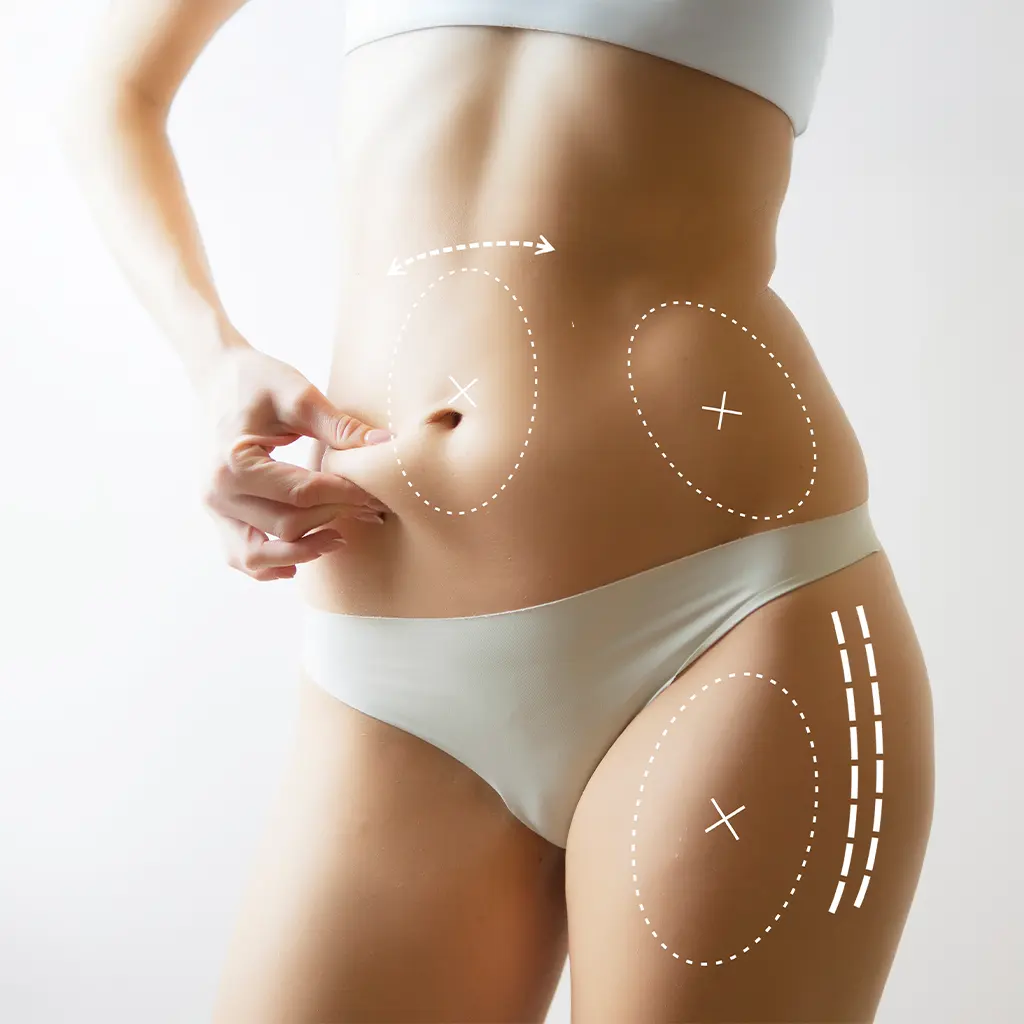
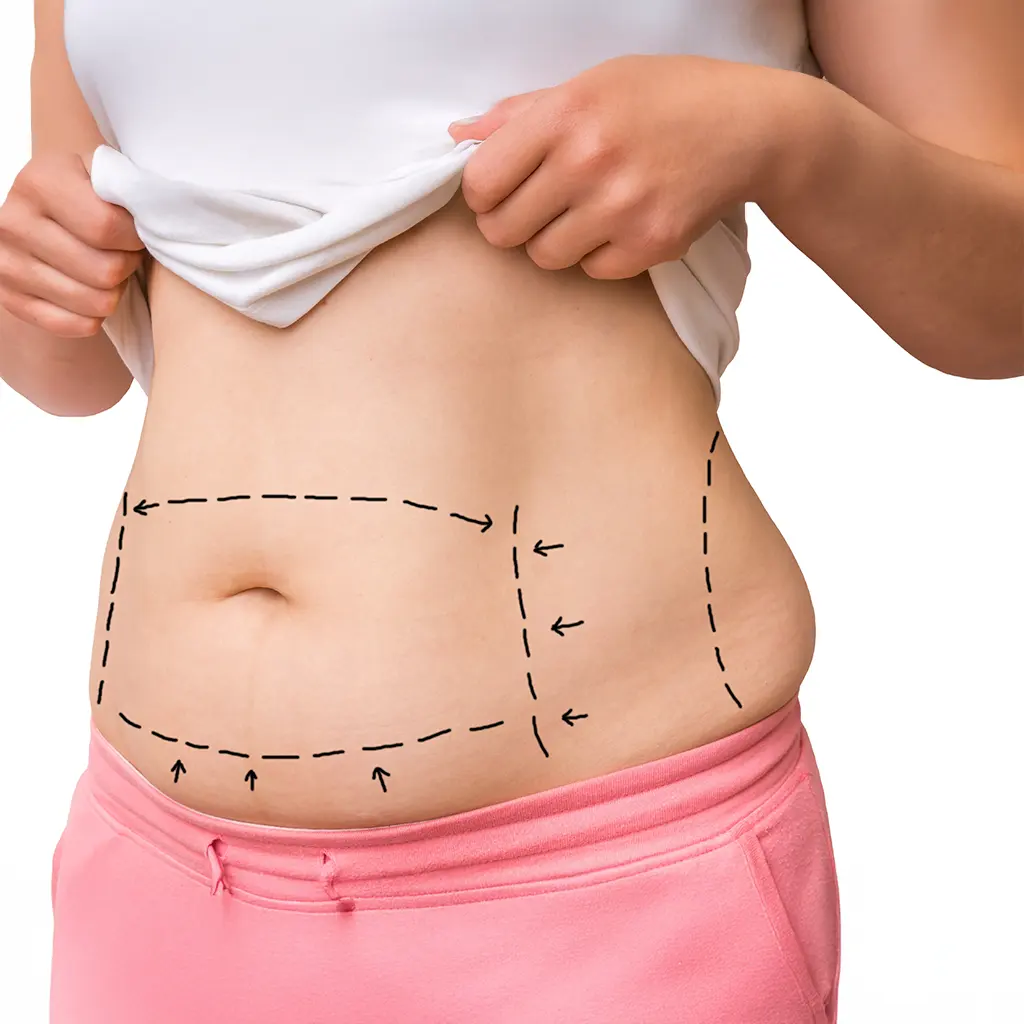
If procedures such as tummy tuck, liposuction, BBL, or body contouring are being planned, it is important for body weight to be as stable as possible. Significant weight loss after surgery may lead to skin laxity, loss of volume, and further changes in body proportions. Excessive weight gain, on the other hand, may stretch the surgically reshaped tissues again.
Suitable candidates for body contouring are generally individuals who have completed their weight-loss process, have a stable body weight, and are in suitable general health for surgery.
Aesthetic surgery should not be regarded as a weight-loss method. For someone who is still working towards a target weight, achieving a sustainable weight first and then reassessing the distribution of skin and fat may allow for more appropriate planning.
Do Pregnancy Plans Affect the Timing of Surgery?
Pregnancy may change the abdominal skin, abdominal muscles, breasts, and body weight. For this reason, procedures such as tummy tuck, breast lift, or Mommy Makeover are generally more likely to provide a longer-lasting body balance when performed after plans for having children have been completed.
A future pregnancy does not necessarily make previous surgery medically impossible, but expansion of the abdomen, changes in breast volume, and renewed stretching of the skin may affect some of the changes achieved through surgery. For suitable Mommy Makeover candidates, completion of pregnancies and having a body weight close to the target range are particularly emphasised.
Planning surgery immediately after childbirth may also be inappropriate. The body should be given time to recover, hormone levels should stabilise, breastfeeding should be completed, and body weight should become stable. The length of this period varies according to the individual and the operation being considered.
Can Aesthetic Surgery Be Planned While Smoking?
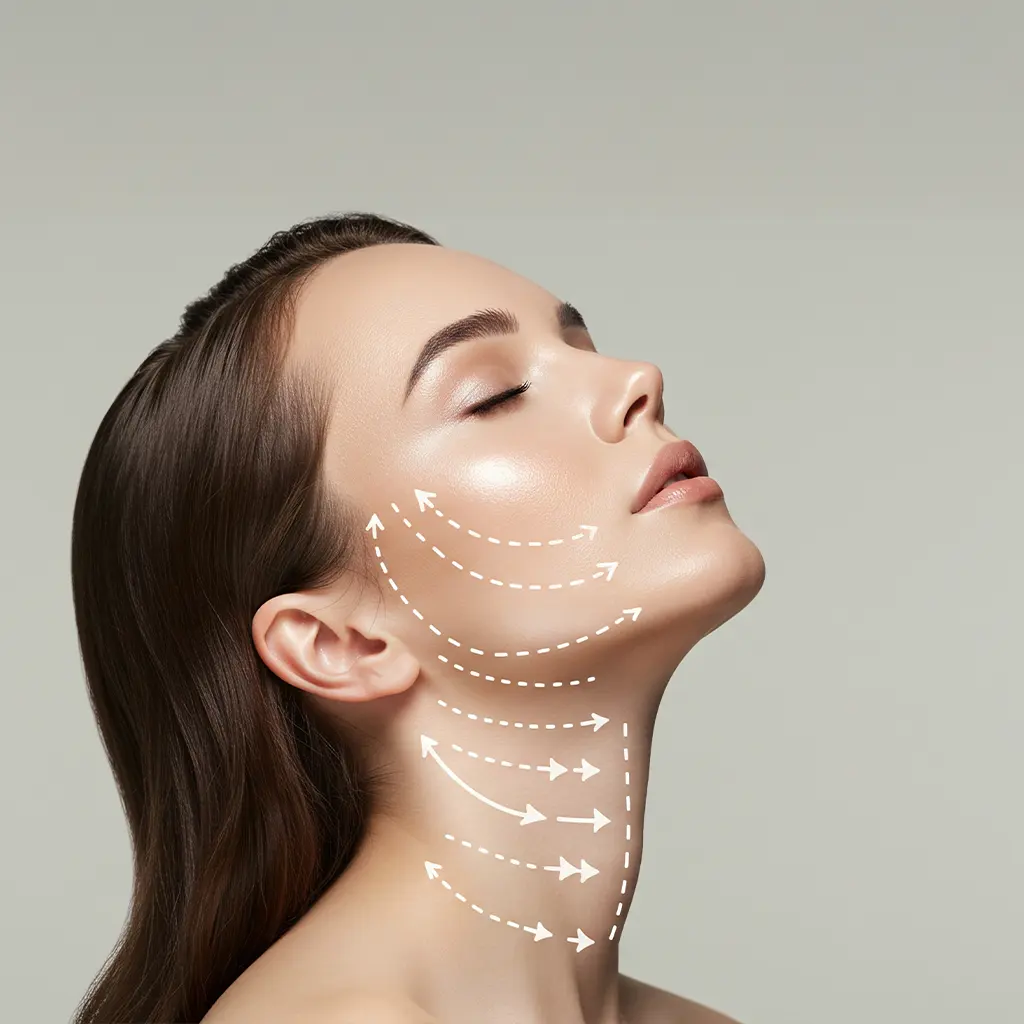
Smoking and nicotine use may reduce the amount of blood and oxygen reaching the tissues and negatively affect wound healing. This is particularly important in operations such as tummy tuck, breast lift, facelift, and body lift, where large areas of tissue are elevated or repositioned.
Smoking may increase the risk of complications such as wound separation, infection, and tissue loss. For this reason, the surgeon may require cigarettes and all nicotine-containing products to be stopped completely before surgery and during a certain period of recovery. Avoiding smoking before plastic surgery is particularly recommended to support healthier wound healing.
How long nicotine should be avoided depends on the planned procedure, the individual’s health status, and the surgeon’s protocol.
What Does It Mean to Be Psychologically Ready?
The decision to undergo aesthetic surgery should be based on the individual’s own wishes. Decisions made in an attempt to resemble someone else, repair a relationship, meet the expectations of a social environment, or solve every problem in life may not be realistic.
Being psychologically ready means understanding both the potential changes and the limitations of surgery, accepting scars and the recovery period, recognising that the risk of complications is not zero, and being patient while waiting for the final result.
It may be helpful for someone experiencing an intense emotional crisis, grief, relationship problems, or significant external pressure to reconsider the timing of their decision. Aesthetic surgery may change appearance, but it should not be expected to eliminate every source of dissatisfaction in a person’s life.
Can You Allow Enough Time for Recovery?
The date of surgery should not be chosen simply because there is an available day in the calendar. Returning to work, childcare, household responsibilities, exercise, travel, and social commitments should all be planned around the recovery process.
Some procedures may allow a relatively quick return to everyday activities, while combined body contouring operations may require a longer period of rest and assistance. The patient should be able to take prescribed medications, attend follow-up appointments, and avoid strenuous physical activity as required. Preparing transportation home and suitable recovery conditions before surgery is an important part of the postoperative process.
For international patients, the return flight, length of stay in Türkiye, and follow-up plan after returning home should also be arranged according to the surgeon’s recommendations.
What Is the Best Season for Aesthetic Surgery?
There is no general rule stating that aesthetic surgery must be performed in winter or summer. What matters is whether the individual can create conditions that allow them to follow postoperative instructions properly.
Hot weather may affect comfort after procedures that require compression garments. Incisions may need to be protected from sun exposure after facial, breast, or body surgery. During the summer, holidays, swimming, and intensive travel plans may conflict with recovery. During the winter, seasonal infections and daily living conditions may need to be considered.
For this reason, the most important factor is not the season itself, but choosing a period when the individual can take sufficient time off and does not have plans that may interfere with recovery.
The Right Time Is Determined Individually
The right time for aesthetic surgery is when general health is suitable, body weight is stable, expectations are realistic, and appropriate recovery conditions are in place. Pregnancy plans, smoking, work commitments, and travel schedules should also be included in this assessment.
A date that appears convenient on the calendar may not be medically appropriate. For this reason, the timing of surgery should be determined not only according to personal schedules, but also after examination by the plastic surgeon and any necessary medical assessments.
5/5 - (551 votes)
Book a Consultation
It’s easy and free!