Choosing the right surgeon is one of the most important factors affecting both the safety of aesthetic surgery and the quality of the change that can be achieved. This is because a plastic surgeon is not simply the person who performs the operation; they assess whether the patient is suitable for surgery, determine the appropriate …

Choosing the right surgeon is one of the most important factors affecting both the safety of aesthetic surgery and the quality of the change that can be achieved. This is because a plastic surgeon is not simply the person who performs the operation; they assess whether the patient is suitable for surgery, determine the appropriate technique, plan according to anatomical limitations, work to reduce risks, and manage the recovery process. However, choosing an experienced and qualified surgeon does not guarantee a specific appearance. The change achieved after aesthetic surgery depends on many factors, including the patient’s anatomy, skin quality, health status, healing capacity, and adherence to postoperative recommendations.
Why Is Aesthetic Surgery Not Planned in the Same Way for Every Patient?
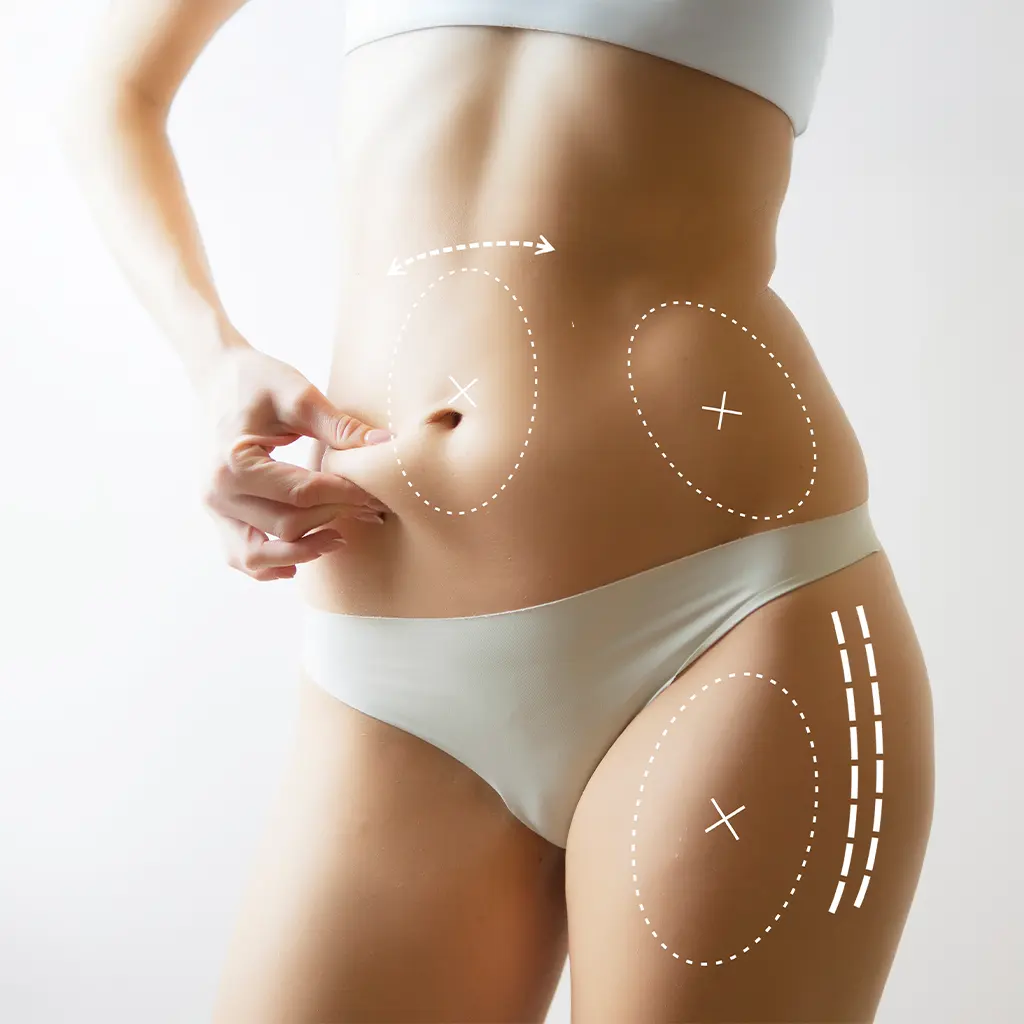
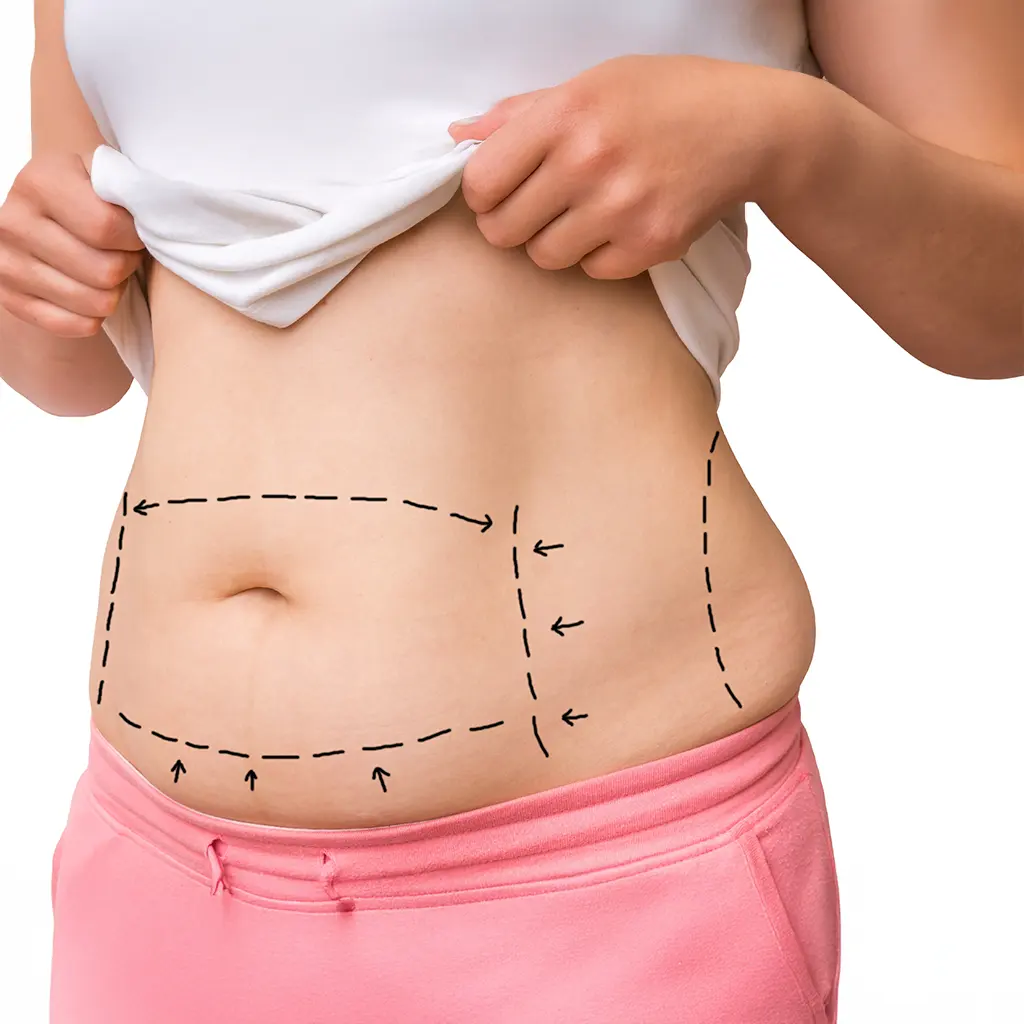
Two people requesting the same aesthetic operation may have completely different needs. For example, the appearance of the abdomen may not be caused solely by excess fat. Skin laxity, separation of the abdominal muscles, the position of the belly button, previous operations, and body proportions may all alter the surgical plan.
Similarly, in breast surgery, not only the desired volume but also chest width, the amount of existing breast tissue, skin quality, nipple position, and natural differences between the two breasts should be assessed together. In BBL surgery, the waist, back, abdomen, pelvis, and areas from which fat can be harvested are just as important as the existing shape of the buttocks.
The role of the plastic surgeon is not simply to carry out the patient’s request, but to determine to what extent that request can be achieved within the individual’s anatomy. Plans that are not personalised and are applied similarly to everyone may disrupt body proportions or create an unnatural appearance.
How Does a Surgeon’s Experience Affect Planning?
Surgical experience cannot be explained solely by the number of operations performed. Experience also includes recognising different anatomical structures, adapting to variations in tissue characteristics, making appropriate decisions in unexpected situations, and safely modifying the original plan when necessary.
An experienced plastic surgeon may be able to assess more comprehensively how much tissue can be removed, which areas should be preserved, and how a change in one region may affect other parts of the body. This assessment is particularly important in combined aesthetic operations. When several procedures are being considered during the same surgical session, operation time, blood loss, the patient’s general health, and the overall recovery burden should all be considered together.
A surgeon’s decision to limit certain procedures, postpone them to another time, or determine that a patient is not suitable for surgery rather than accepting every request is also part of professional judgement. In elective surgery, the expected benefit should outweigh the potential risks.
How Does Surgeon Selection Affect Surgical Safety?
When evaluating aesthetic surgery, surgical safety should be considered alongside appearance. Before surgery, the patient’s medical history, medications, smoking habits, previous operations, and existing risk factors should be assessed in detail.
Appropriate patient selection is one of the first stages of safety. The surgeon’s decision to request necessary tests, coordinate with the anaesthesia team, and perform the operation in a healthcare facility with suitable conditions affects the entire surgical process. Professional organisations also recommend that patients investigate the surgeon’s specialist training, certifications, and the qualifications of the healthcare facility where the operation will be performed.
No surgeon can eliminate the risk of complications completely. Bleeding, infection, wound-healing problems, asymmetry, and anaesthesia-related complications are among the possible risks of surgical procedures. The surgeon’s role is reflected in assessing these risks in advance, reducing them as much as possible, recognising them early, and managing them appropriately if they occur.
Why Is Aesthetic Judgement Important?
Plastic surgery requires not only technical skill but also an assessment of proportion, symmetry, and anatomical harmony. However, aesthetic judgement does not mean trying to bring everyone closer to a single standard of beauty.
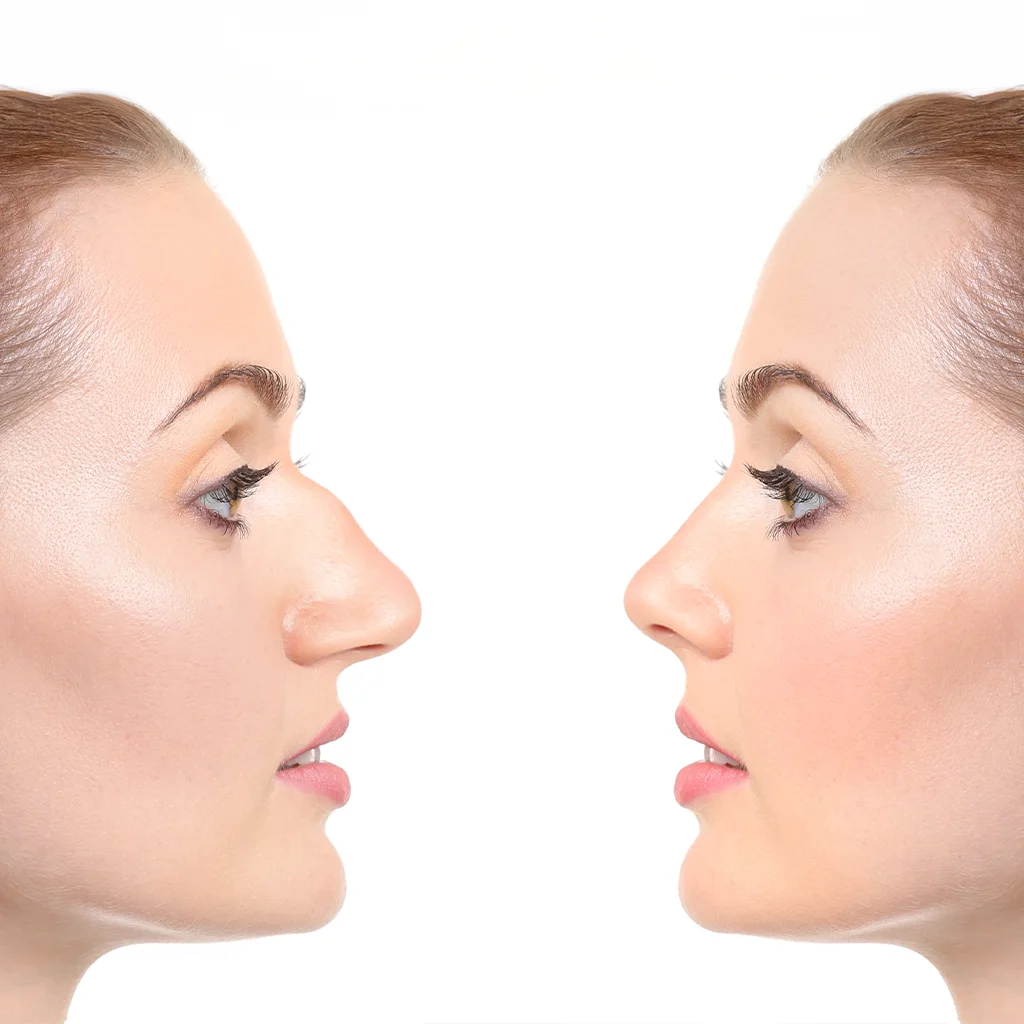
A natural-looking change should be compatible with the individual’s existing anatomical characteristics. The surgeon should assess not only the area being operated on but also the overall proportions of the face or body. In rhinoplasty planning, rather than simply making the nose smaller, its relationship with the forehead, chin, lips, and facial profile is considered. In breast surgery, not only size but also torso width and shoulder-to-waist balance may affect the appearance.
For this reason, different surgeons may recommend different plans for the same patient. Although surgical training and technical competence are fundamental requirements, it is also important that the surgeon’s aesthetic approach is compatible with the patient’s expectations.
Is the Technology Used Enough to Achieve a Successful Change?
Ultrasound, energy-based tissue-tightening systems, advanced liposuction devices, and three-dimensional imaging methods may support planning or treatment in plastic surgery. However, the device itself does not guarantee a successful change.
The surgeon decides which patients may benefit from a particular technology, which tissues it should be used on, and how safe limits should be maintained. Poor patient selection or incorrect planning cannot be compensated for simply by using an advanced device. Technology is not a substitute for surgical knowledge and experience, but a tool that can support the process when used appropriately.
Are Before-and-After Photographs Enough to Choose a Surgeon?
Before-and-after photographs may provide an idea of a surgeon’s approach, but they are not sufficient as the only method of assessment. Camera angle, lighting, the patient’s posture, and the stage of recovery at which the photograph was taken may alter the appearance. In addition, a change achieved in one patient cannot necessarily be reproduced in the same way in someone with different anatomical characteristics.
The surgeon’s training in plastic surgery, professional qualifications, experience with similar procedures, approach to patient safety, and management of complications should all be investigated together. Board certifications and professional memberships may indicate that certain training and assessment processes have been completed, but no certification alone can guarantee a specific aesthetic appearance. Choosing a qualified surgeon should be regarded as one of the first steps towards making a safe and informed decision.
What Should Be Considered During the Consultation?
During a thorough consultation, the surgeon should explain not only the changes that surgery may achieve, but also its limitations and possible risks. The patient’s medical history should be reviewed in detail, a physical examination should be performed, and expectations should be discussed openly.
Why the patient wants the operation, whether the expected change is realistic, and whether the patient is prepared for the recovery process should also be assessed. Informed consent is not simply the signing of a form; it involves providing understandable information about the procedure, alternatives, risks, and recovery process.
During the consultation, patients may ask about the surgeon’s specialist training, the reasons for the recommended technique, the hospital where the operation will be performed, the anaesthesia method, possible complications, follow-up appointments, and the surgeon’s approach to revision surgery. Clear, realistic, and understandable answers to these questions are an important part of establishing trust between the patient and surgeon.
How Should Patients Planning Surgery Abroad Evaluate a Surgeon?
Patients planning surgery as part of medical tourism often undergo their initial assessment through photographs, videos, and online consultations. These methods may provide a preliminary evaluation, but they cannot completely replace an in-person physical examination.
International patients should investigate not only the surgeon’s professional qualifications but also the hospital where the operation will be performed, postoperative follow-up arrangements, how communication will continue after they return home, and which healthcare team they can contact if an unexpected problem occurs. Coordination between the surgeon, hospital, and medical tourism organisation helps support safe management of the process.
Travel planning should not be considered separately from surgical planning. How many days the patient should remain in Türkiye after surgery, when the return flight should be scheduled, and how follow-up appointments will be arranged should be determined according to the procedure performed and the patient’s recovery. Patient safety guidelines relating to cosmetic surgery tourism also recommend obtaining detailed information in advance about the procedure, risks, recovery period, and follow-up plan.
Is Choosing the Right Surgeon Enough on Its Own?
Although choosing the right surgeon is a major factor, the change achieved after aesthetic surgery does not depend solely on the surgeon. The patient’s age, skin elasticity, anatomy, genetic characteristics, nutritional status, smoking habits, and wound-healing capacity may all influence the process.
After surgery, it is also important to follow recommendations regarding compression garments, mobility, wound care, regular medication use, and follow-up appointments. Weight changes, pregnancy, ageing, and lifestyle habits may alter body appearance over the long term.
For this reason, plastic surgery is not simply a procedure performed unilaterally by the surgeon. It is a process involving appropriate patient selection, personalised planning, safe surgical practice, and the patient’s adherence to the recovery plan.
Choosing the Right Surgeon Is Fundamental to an Informed Surgical Decision
Surgeon selection affects many stages of the process, from determining which procedure should be performed and where the operation will take place to maintaining safe limits and managing recovery. However, no surgeon can guarantee perfection or a specific appearance.
The most appropriate approach for the patient is to verify the plastic surgeon’s training and experience, understand the reasons behind the proposed plan, discuss the risks openly, and develop realistic expectations that are compatible with their own anatomy. The decision to undergo aesthetic surgery should be based not only on the desired change, but also on choosing the specialist who will plan that change and manage the entire surgical process.
5/5 - (834 votes)
Book a Consultation
It’s easy and free!